

An International Celebration of Space
World Space Week, held annually from October 4 to 10, is the largest space event on Earth. Declared by the United Nations in 1999, it celebrates the contributions of space science and technology to humanity. The dates themselves commemorate two pivotal
moments in space history: the launch of Sputnik 1, the first artificial satellite, on October 4, 1957, and the signing of the Outer Space Treaty on October 10, 1967. Every year, events are held across more than 100 countries, bringing together space agencies, schools, companies, and enthusiasts to inspire the next generation and educate the public about the benefits of space exploration.
Decoding the 'Rocket Revolution'
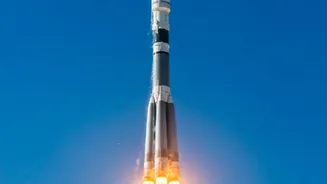
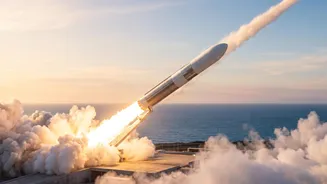
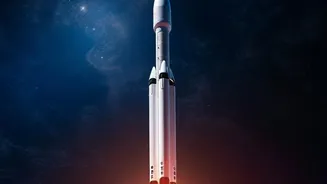
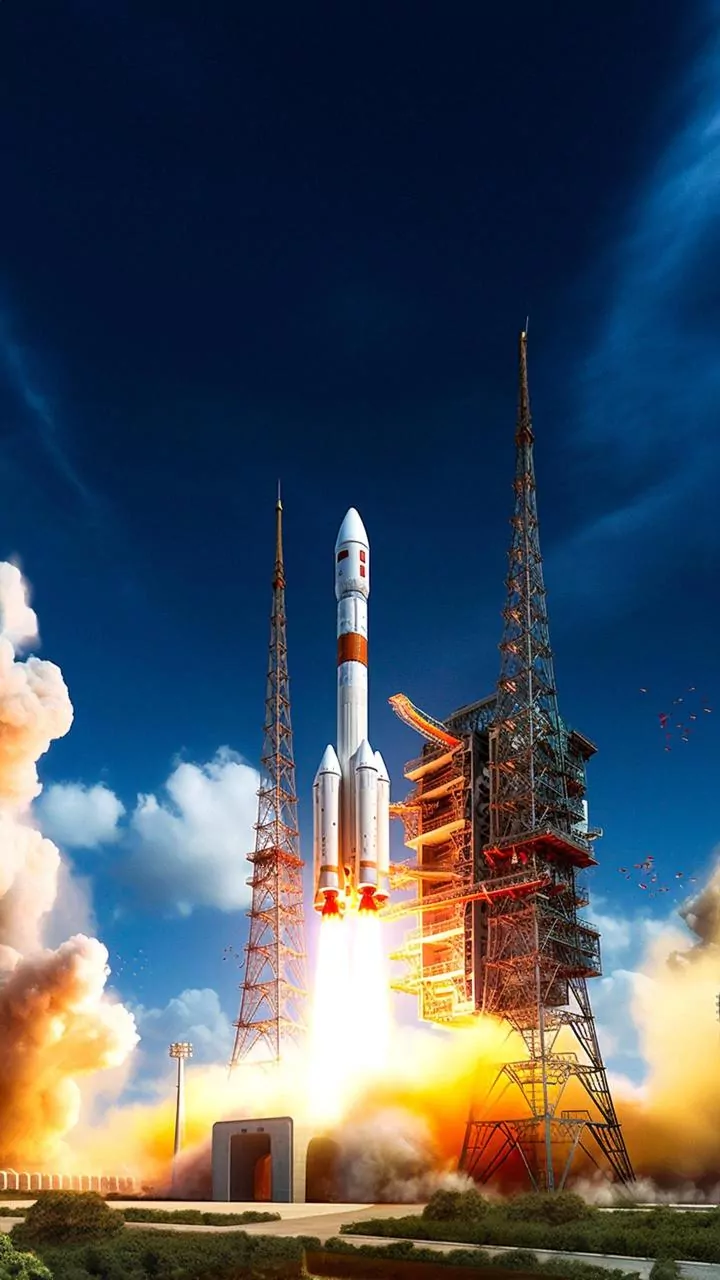
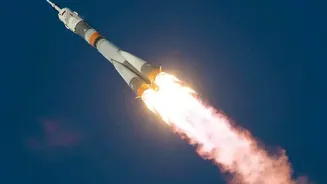
The 2026 theme, 'Rocket Revolution', zeroes in on the dramatic transformation happening in space launch. For decades, space access was the domain of a few government agencies using expensive, single-use rockets. That is changing rapidly. The revolution is driven by several key factors: the advent of reusable rockets pioneered by companies like SpaceX, the emergence of commercial launch providers, and the rise of new national space players and university teams. This shift is drastically lowering the cost of reaching orbit, increasing launch frequency, and opening up space for new applications in science, communication, and business. The theme encourages people to explore rocketry through hands-on activities, from simple baking soda models to certified model rockets, making space accessible to everyone.
India's Pivotal Role in the Revolution
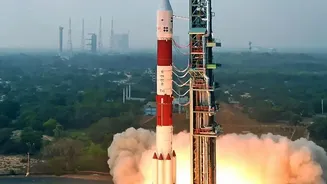
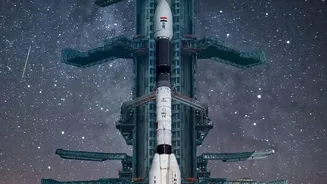
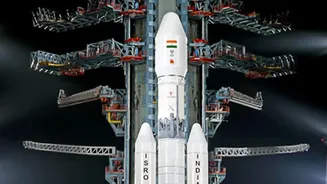
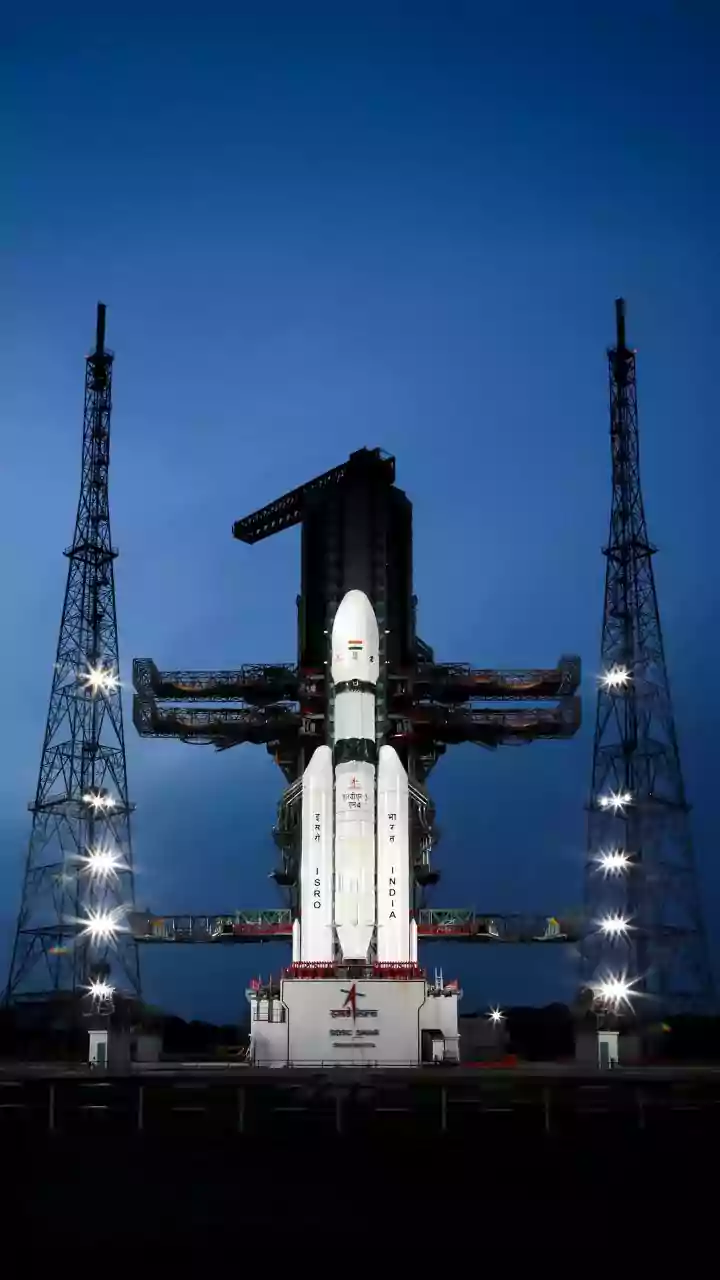
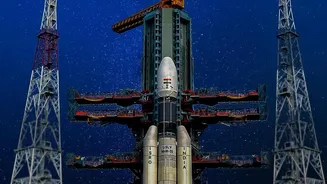
The Rocket Revolution isn't just happening elsewhere; India is at its heart. For years, the Indian Space Research Organisation (ISRO) has been a world leader with its reliable and cost-effective launchers. Now, it is aggressively pursuing the next frontier: reusability. ISRO's Reusable Launch Vehicle (RLV) program, featuring the 'Pushpak' winged demonstrator, is a critical step towards developing a fully reusable two-stage orbital vehicle. These efforts are aimed at making future missions, including the Bharatiya Antariksh Station, more affordable. Simultaneously, India's private space sector is booming. Companies like Hyderabad-based Skyroot Aerospace and Chennai-based Agnikul Cosmos are making headlines. In July 2026, Skyroot's Vikram-1 rocket successfully made India only the third country, after the US and China, with a private company capable of orbital launch. This synergy between a forward-looking ISRO and a dynamic private industry places India in a prime position to lead this new era.
How India Is Celebrating
Across India, the 'Rocket Revolution' is being celebrated with a host of events. In Kerala, the Vikram Sarabhai Space Centre (VSSC) and other ISRO centers are organizing lectures for students and a public outreach program at the Kerala State Science and Technology Museum in Thiruvananthapuram. These sessions give students a chance to interact with ISRO scientists. Meanwhile, Chandigarh University's Kalpana Chawla Centre for Research in Space Science and Technology is hosting student challenges and presentations focused on space technology, inspiring young minds to innovate. Many events encourage direct participation, from model rocket competitions to video contests, allowing the public to engage with the theme in a tangible way.
Why This Revolution Matters for You
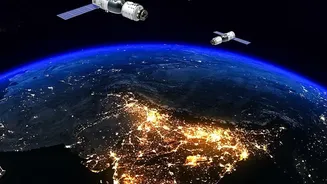
The changes highlighted by World Space Week extend far beyond the launchpad. A more accessible space means more satellites for services we rely on daily, including weather forecasting, navigation, and high-speed communications. For India, it translates into a rapidly growing space economy, projected to become a trillion-dollar global industry by 2030. This creates immense opportunities for businesses, researchers, and entrepreneurs. It also inspires a new generation to pursue careers in science, technology, engineering, and mathematics (STEM), ensuring that India continues to be a major force in space exploration and technology for decades to come.