

The New Frontier of Efficiency
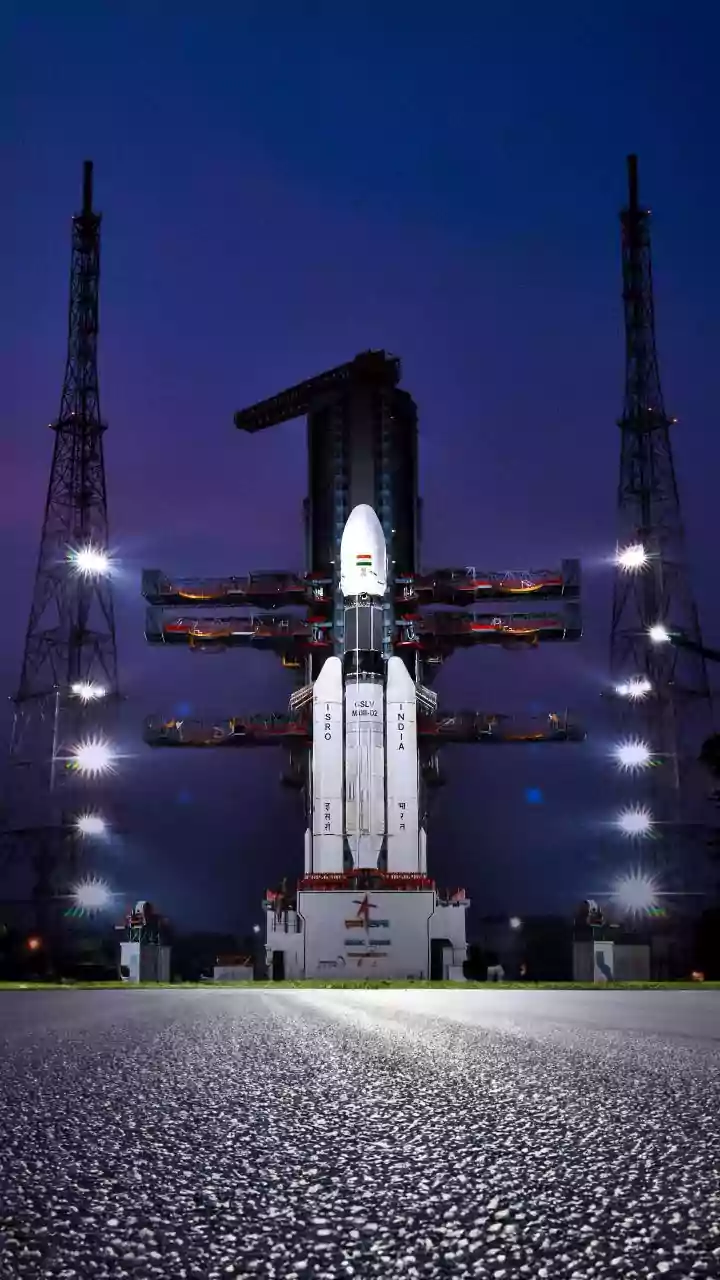
The second edition of the International Conference on Spacecraft Mission Operations (SMOPS-2026), held in Bengaluru, brought together global experts from ISRO, NASA, ESA, and JAXA. The central theme was using innovation for smarter, more sustainable space
missions. A major topic of conversation was the increasing role of artificial intelligence and machine learning in automating the everyday functions of spacecraft. With the number of satellites growing exponentially and missions becoming more complex, the idea is to let software handle the mundane but critical tasks, freeing up human operators on the ground to focus on bigger challenges. This isn't just a theoretical concept anymore; ISRO Chairman V. Narayanan noted that what was once theory is now a necessity for today's space exploration and a core part of the discussion at SMOPS.
What are 'Routine' Decisions in Orbit?
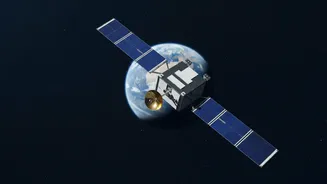
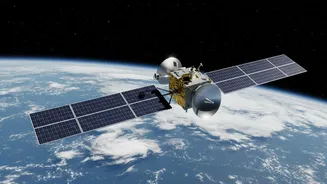
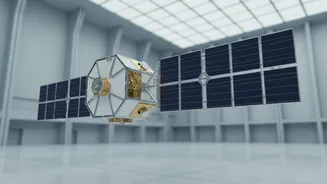
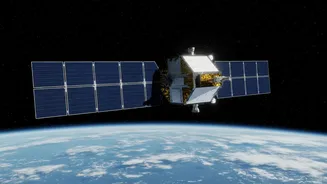
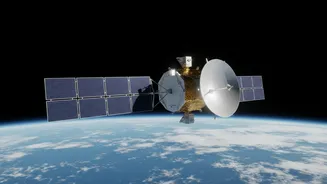
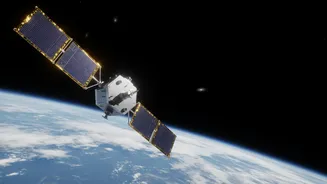
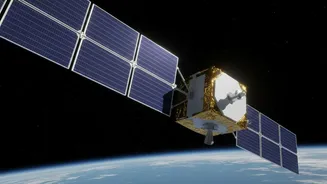
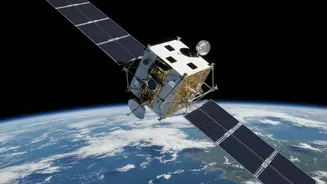
When we think of spacecraft, we often imagine dramatic manoeuvres. However, most of a satellite's life is governed by small, repetitive, but essential tasks. These are the 'routine decisions' that automation targets. This includes managing the power systems by adjusting solar panels to face the sun, maintaining thermal balance to protect sensitive electronics from the extreme temperatures of space, and performing tiny orbital adjustments to maintain a precise trajectory. It also involves monitoring the health of the spacecraft's core systems—the 'bus' that manages communications, power, and attitude control. Automating these functions reduces the constant need for human oversight, which is particularly crucial for deep-space missions where communication delays can be significant.
From Human Commands to Machine Learning
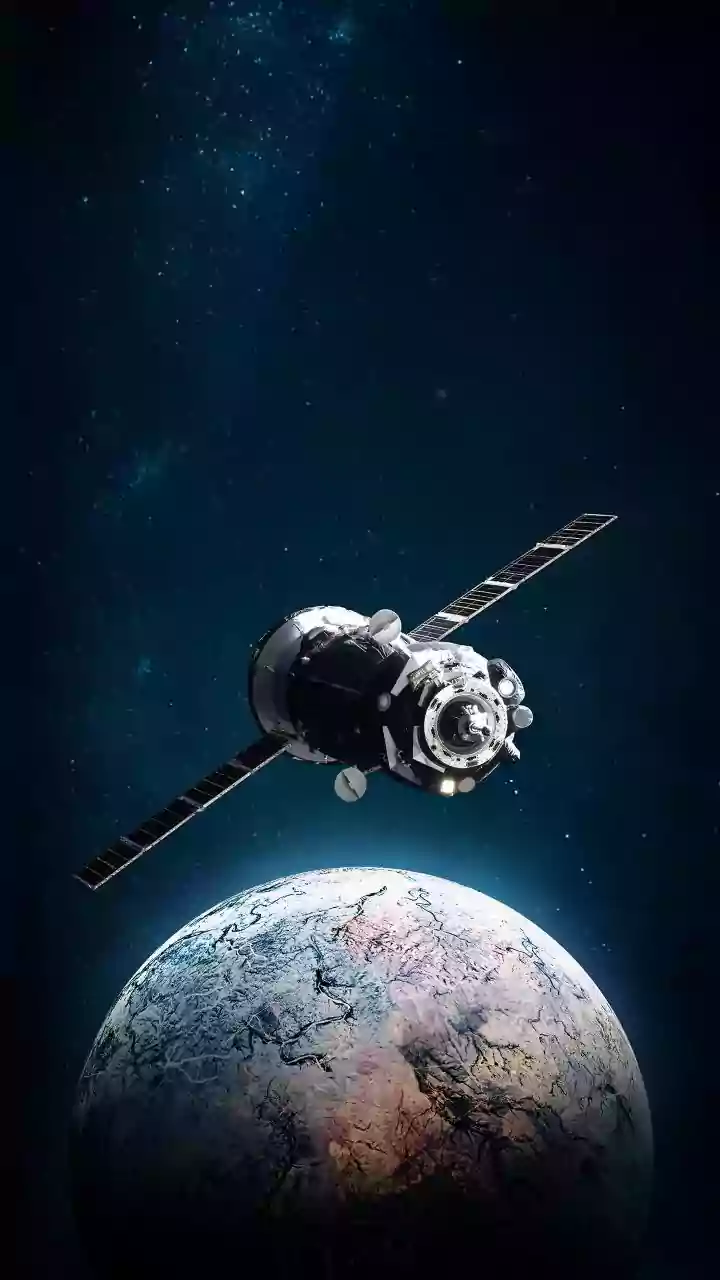
The shift is from traditional, rule-based software—where a satellite follows a strict set of 'if-then' commands—to more dynamic, AI-driven systems. Recent breakthroughs, like a US Air Force Research Laboratory demonstration where a neural network successfully controlled a satellite's orientation, show this technology is maturing rapidly. Instead of just following a script, these AI systems can process real-time sensor data and decide on the best course of action within the boundaries set by human operators. This allows the spacecraft to react intelligently to its environment, such as optimising its imaging schedule based on real-time cloud cover or autonomously avoiding space debris—a growing concern in increasingly congested orbits.
The Human in the Loop
The goal of this automation isn't to remove humans from the picture, but to change their role. Experts describe the future as a partnership between ground crews and increasingly autonomous satellites. As routine tasks are offloaded to AI, the role of the human operator becomes one of oversight, managing complex scenarios, and providing judgment that machines still lack. This 'human-machine synergy' was a key point at SMOPS-2026. By automating the predictable, mission controllers can dedicate their expertise to handling anomalies, planning complex mission phases, and managing entire constellations of satellites rather than micromanaging individual units. This not only improves efficiency but also enhances mission resilience, as automated systems can sometimes react faster than a human could to a sudden problem.