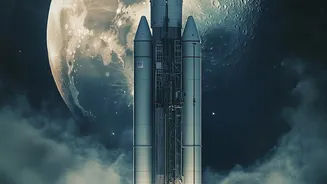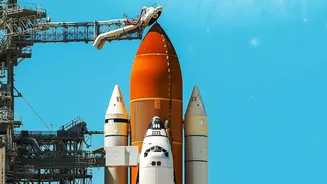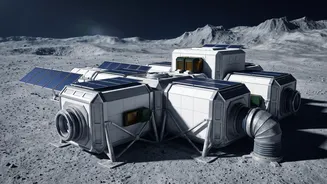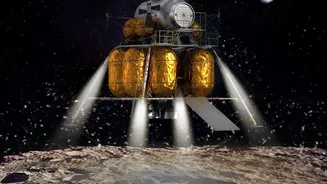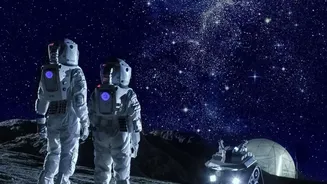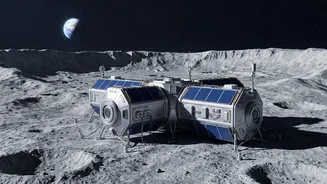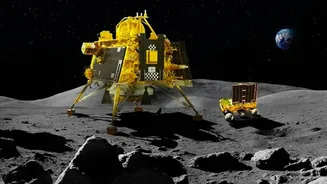

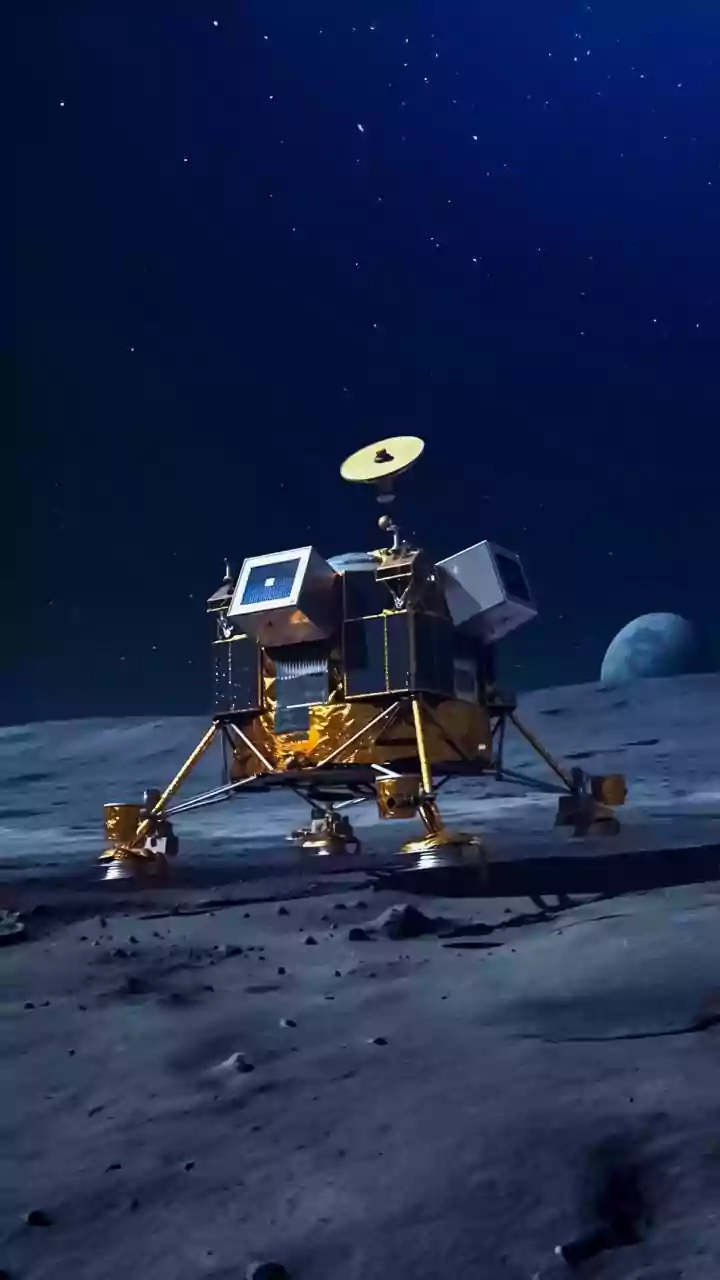
Humanity is going back to the Moon, but this time, the goal isn't just to visit—it's to stay. A new NASA competition, the Moon Base Challenge, is asking students to help figure out exactly how we'll pull it off.
From Footprints to Foundations
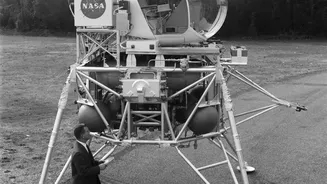
For decades, the iconic images of the Apollo
missions defined our relationship with the Moon: a place of temporary, flag-planting visits. Now, NASA's Artemis program is writing the next chapter, one focused on establishing a permanent, sustainable human presence. This long-term vision requires moving beyond the capabilities of the 1960s and solving a host of complex problems. How will astronauts live for extended periods in a harsh, alien environment? Where will they get power during the two-week lunar night? How will they build habitats shielded from radiation? These aren't just questions for NASA engineers anymore. Through a new $1 million contest, the agency is crowdsourcing the answers from the next generation of innovators.
The $1 Million Moon Base Challenge
Announced in early November 2026, the Moon Base Challenge invites high school and college students across the United States to contribute designs for humanity's first lunar outpost at the Moon's South Pole. With registration open until January 25, 2027, the contest is designed to solicit fresh perspectives on the practical hurdles of lunar life. It's part of a broader NASA strategy that leverages public competitions and crowdsourcing to accelerate innovation, find cost-effective solutions, and engage a diverse pool of talent that might otherwise remain untapped. As NASA Administrator Jared Isaacman stated, the agency is looking for students ready to tackle real problems and contribute to the future on the Moon before they even graduate.
The Six Pillars of Lunar Living
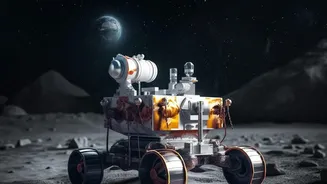
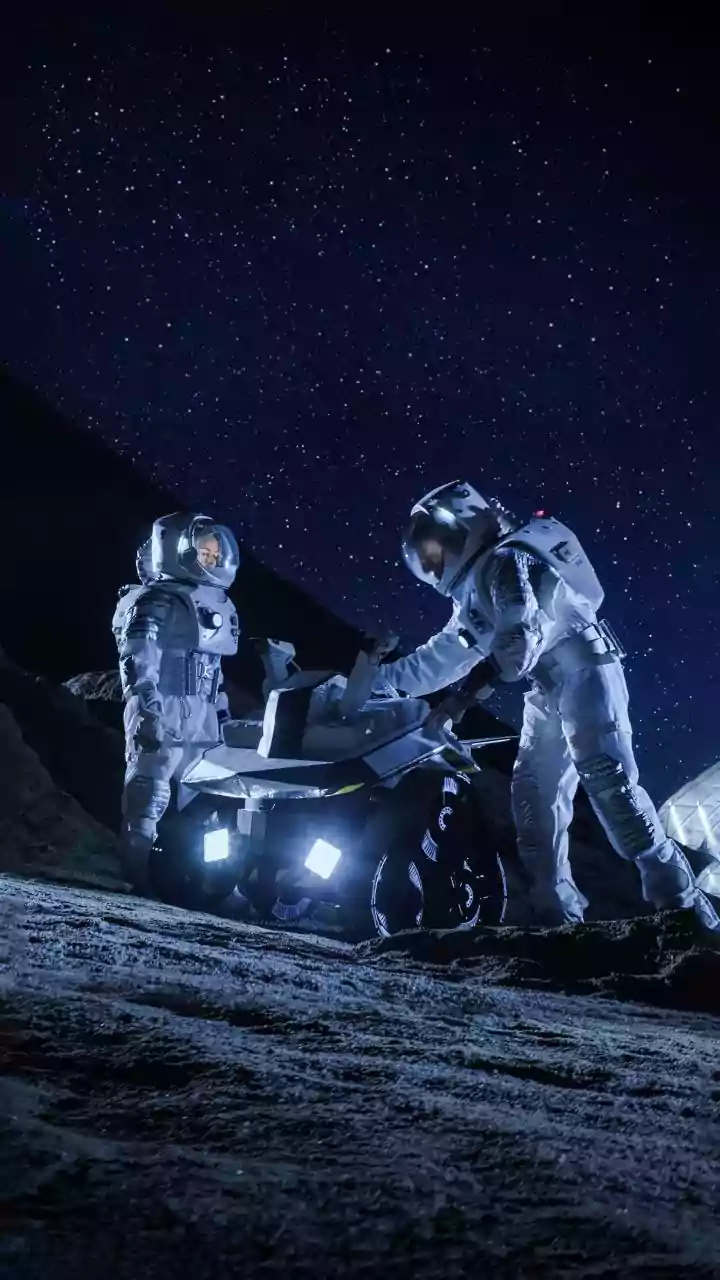
The challenge is structured around the six fundamental areas required to make a Moon base functional and safe. Student teams will be asked to develop innovative concepts for power generation and storage, essential for surviving the long, dark lunar nights. They will also tackle construction, looking at how to use local resources like lunar soil, or regolith, for building materials. Other categories include life-support systems to provide breathable air and clean water, surface mobility to allow for exploration, robust communications networks, and astronaut safety measures to protect against radiation and other hazards. Participants will need to think like NASA's own project teams, evaluating technical options and outlining their designs in detailed proposals.
Why Crowdsource the Cosmos?
Turning to the public for solutions to complex space exploration challenges isn't a new idea for NASA, and it has a proven track record of success. Programs like the NASA Tournament Lab and various Centennial Challenges have demonstrated that opening up a problem to a global community can lead to breakthroughs that internal teams might not have reached. Crowdsourcing has helped solve issues ranging from creating better algorithms for Robonaut on the International Space Station to designing logos and analyzing vast amounts of telescope data. This approach not only solves specific technical problems but also fosters a deeper public connection to the space program, making exploration a more participatory endeavor. For the Moon Base Challenge, it means the students of today get a tangible role in designing the world of tomorrow.
Building for the Moon and Earth
The technologies developed for a lunar outpost have implications that reach far beyond the Moon's surface. The push for a sustainable presence is accelerating development in areas like closed-loop life support systems that recycle air and water, advanced solar and nuclear power generation, and construction using local, unprocessed materials. These innovations are critical for making long-duration missions to Mars possible, as the Moon serves as a crucial testbed for those future endeavors. Furthermore, many of these solutions could have profound benefits back on Earth. More efficient power systems, advanced recycling techniques, and new construction methods developed for the extreme environment of space could one day help us live more sustainably on our own planet.