

A New Golden Age for the Indian Traveller
For decades, the great Indian road trip was an adventure defined by patience. But a massive, nationwide infrastructure push is rewriting the rules of travel. A web of new expressways, tunnels, and modern train services is drastically cutting journey times
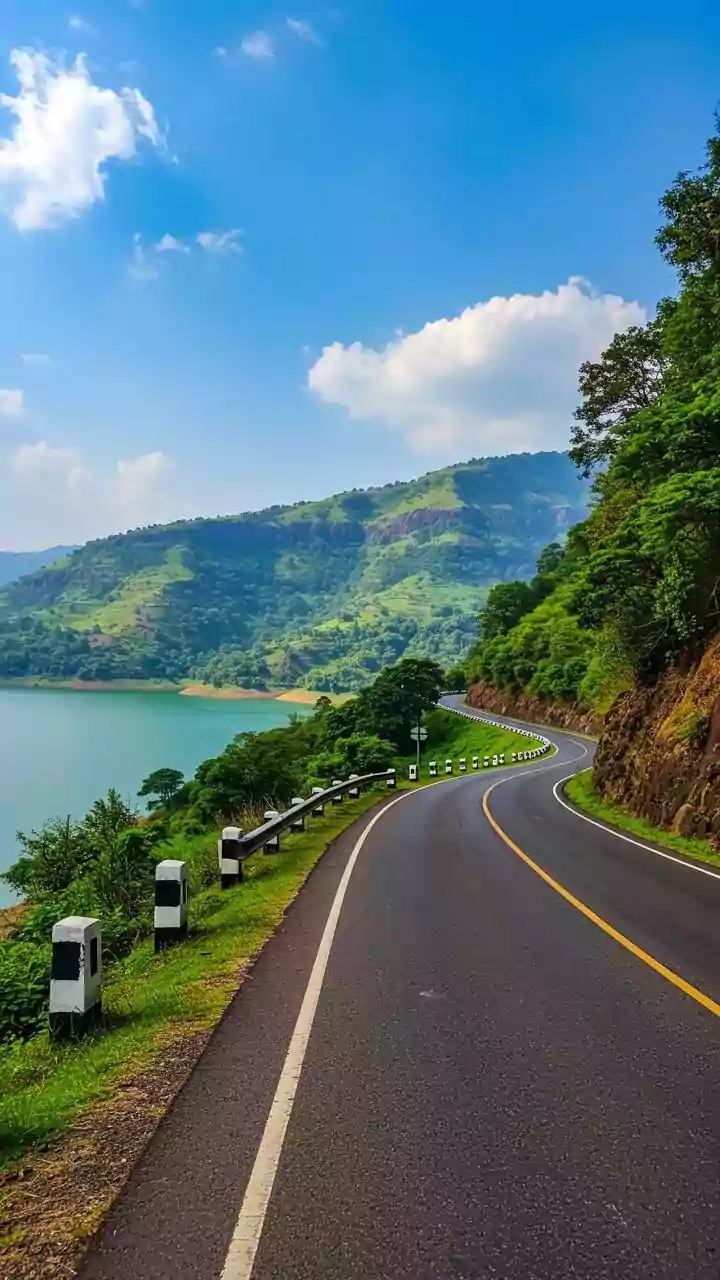
and bringing once-distant destinations within easy reach. This transformation, powered by initiatives like the Bharatmala Pariyojana, is not just about smoother roads; it's about unlocking the country’s vast tourism potential, creating new economic opportunities, and fundamentally changing how Indians explore their own backyard. The expansion is staggering, with the national highway network growing by 60% since 2014. This new backbone of connectivity is making multi-stop trips more practical and encouraging a new culture of exploration.
Expressways to Exploration
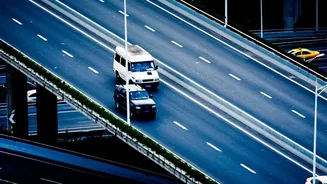
The most visible symbols of this change are the new expressways carving through the landscape. The Delhi-Mumbai Expressway, for instance, is set to reduce travel time between the two metros from around 24-33 hours to just 12 hours. This corridor doesn't just connect two cities; it opens up a tourist circuit linking Jaipur, Ranthambore, and Ahmedabad. Similarly, the Bengaluru-Mysuru Expressway has slashed the journey from three hours to a mere 75 minutes, making a day trip to the 'City of Palaces' an easy option. In the north, the Delhi-Dehradun corridor has cut a six-hour drive down to two and a half hours, bringing the Himalayan foothills closer to the capital. These high-speed arteries are making weekend road trips safer, more comfortable, and far less time-consuming.
Tunnels Through the Himalayas
Nowhere is the impact more dramatic than in the mountains. The Atal Tunnel in Himachal Pradesh has been a game-changer for the Lahaul and Spiti valley. By bypassing the treacherous Rohtang Pass, it has converted a journey of four to five hours into a 40-minute drive, providing all-weather access to a region previously cut off for nearly six months a year. The result has been a tourism boom, with the number of visitors to Lahaul jumping from 172,000 in 2018 to over a million recently. This newfound accessibility has spurred the growth of homestays, eateries, and other local businesses, transforming the regional economy. Similar projects, like the Sela Tunnel in Arunachal Pradesh, are providing reliable connectivity to strategic and scenic border areas.
Riding the Rails to New Adventures
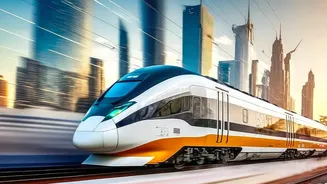
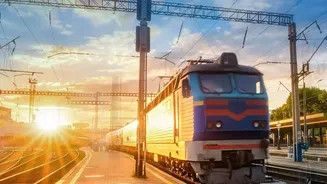
The transformation isn't confined to the roads. The Vande Bharat Express network has rapidly expanded, connecting major cities with key tourist and pilgrimage destinations. With 82 operational routes as of August 2026, these semi-high-speed trains offer a faster, more comfortable alternative to traditional rail travel. Routes to spiritual centres like Varanasi, Tirupati, and Ajmer have become immensely popular. The Mumbai-Goa Vande Bharat makes the journey along the scenic Konkan coast a delightful experience, while the service from Delhi to Katra simplifies the pilgrimage to Vaishno Devi. These trains are not just about speed; they are about creating new possibilities, turning what was once a long, tiring journey into a manageable weekend trip.
Beyond the Destination
The ripple effects of this connectivity boom are widespread. It allows for the dispersal of tourists from overcrowded hotspots to lesser-known areas, promoting more sustainable tourism. It is sparking economic growth in remote regions, providing new livelihoods for local communities who can now cater to a steady stream of visitors. For the Indian traveller, this means a travel map that is constantly evolving. A drive that once took all day is now a morning jaunt. A remote valley that required a week's commitment is now a long-weekend possibility. It's an invitation to look beyond the familiar and explore the countless hidden gems that are now, finally, just a smooth ride away.