





A New Gateway to the Stars
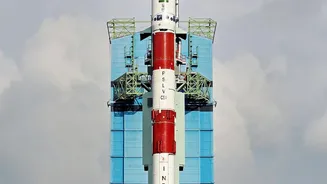
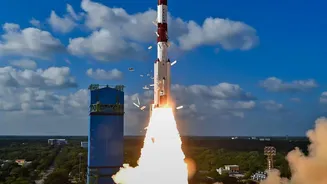
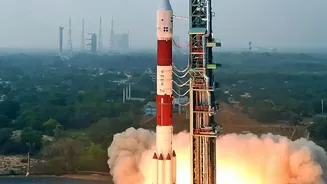
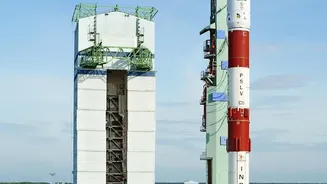
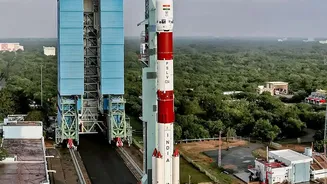
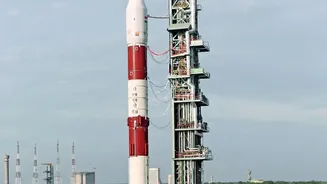
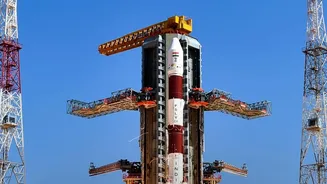
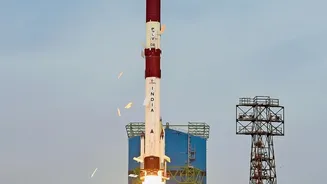
India is getting its second spaceport, located at Kulasekarapattinam in Tamil Nadu, and it's being built with a specific mission in mind: launching small satellites. The Rs 986-crore Small Satellite Launch Complex (SLC), spread across more than 2,200
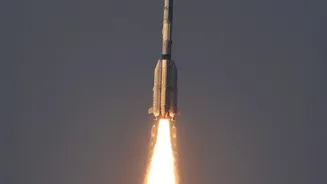
acres, has a key geographical advantage over the country's primary launch centre at Sriharikota. Rockets taking off from Kulasekarapattinam can fly directly south over the Indian Ocean. This avoids the need for a 'dog-leg manoeuvre'—a costly, fuel-burning trajectory correction required from Sriharikota to prevent flying over Sri Lanka. This straight path means rockets can carry heavier payloads with less fuel, making each launch more efficient and cost-effective, a crucial factor in the competitive small satellite market.
The Call for Private Partners
IN-SPACe has formally issued an Expression of Interest (EoI), inviting Indian companies to bid for the contract to operate and manage the entire launch complex. This is more than just outsourcing a few services; the selected private entity will be responsible for the end-to-end management of the spaceport. Their duties will include everything from launch campaign operations and maintenance of all facilities to ensuring mission readiness, safety, and security. To ease the transition, the Indian Space Research Organisation (ISRO) will provide technical guidance, training, and operational support to the chosen company for up to one year or until three launches are completed, whichever comes first. This move is the first of its kind, opening up an entire launch facility for private management and signalling a deep commitment to commercialising India's space infrastructure.
Fuelling India's Private Space Race
This decision is a massive catalyst for India's burgeoning private space industry. For startups and established companies developing their own small satellite launch vehicles, like Skyroot Aerospace and Agnikul Cosmos, this is a game-changer. Instead of spending enormous capital to build their own launch pads, they can use a world-class, government-built facility operated by a professional partner. This 'plug-and-play' model significantly lowers the barrier to entry and allows companies to focus on what they do best: building rockets and satellites. The Tamil Nadu government is further boosting this ecosystem by planning a 'Space Industrial and Investment Zone' around the spaceport, aiming to attract manufacturing and research firms to the region. The move is part of a broader strategy by IN-SPACe, which has also been transferring ISRO-developed technologies, like the SSLV rocket itself, to private players like Hindustan Aeronautics Limited (HAL).
The Global Commercial Space Market
By creating a dedicated, privately-run small satellite launch hub, India is positioning itself to capture a larger share of the booming global space economy. The market for launching small satellites for communication, Earth observation, and IoT services is growing rapidly. The Kulasekarapattinam spaceport is designed for a high launch frequency, with faster turnaround times between missions, which is exactly what the commercial market demands. The efficiency gains from the location's direct southern trajectory make Indian launches more competitive on the world stage. The Expression of Interest specifies that only companies with significant financial scale and operational experience can apply, with criteria including an annual turnover exceeding Rs 2,000 crore and a net worth of at least Rs 1,000 crore, suggesting a focus on attracting large, established infrastructure firms to ensure reliability and long-term stability.