

Why Your Brush is the Real MVP
We've been conditioned to see styling as a multi-step process where products do the heavy lifting. Hairspray, in particular, is seen as the final seal of approval for a finished look. But hairstylists often argue that the real work happens long before.
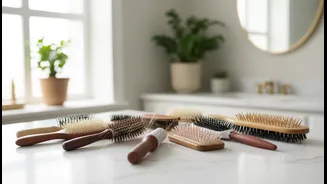
A hairbrush is not just for detangling; it's a foundational styling tool. While hairspray merely freezes a shape, the right brush helps create that shape from the start, working with your hair's texture to build volume, smoothness, and direction. Using the wrong brush can lead to breakage and frizz, problems we then try to mask with more product. By focusing on the brush, you address the cause rather than just the symptom.
Decoding the Bristles: Natural vs. Synthetic
The most significant difference between brushes lies in their bristles, primarily boar and nylon. Boar bristles are natural, soft, and gentle. They are famed for their ability to distribute the scalp’s natural oils (sebum) down the hair shaft. This natural conditioning process smooths the hair cuticle, reduces frizz, and adds a healthy, natural shine. Nylon bristles, on the other hand, are synthetic and typically firmer. Their main advantage is their ability to penetrate dense, thick, or curly hair, making them excellent for detangling without causing damage. Many brushes now offer a combination of both to provide a mix of detangling power and smoothing benefits.
For Fine to Normal Hair: Gentle Does It
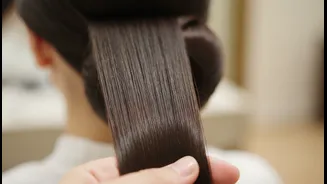
If you have fine, thin, or generally straight hair, a boar bristle brush is your best friend. Fine hair is more susceptible to breakage and can be easily weighed down by products. A pure boar bristle brush glides through gently, smoothing strands and enhancing shine without pulling. These brushes are excellent for distributing natural oils, which is particularly beneficial for fine hair that can sometimes look dull. For everyday smoothing and styling, a paddle brush with boar bristles can help create a sleek, polished look. The goal is to condition and polish the hair's surface, a task for which boar bristles are perfectly suited.
For Thick or Curly Hair: Control and Detangle
Thick, coarse, or curly hair requires a brush that can get through its density to detangle effectively. This is where nylon bristles excel. Their firmer structure can navigate knots and tangles without the aggressive pulling that leads to breakage. Look for brushes with flexible, widely spaced bristles to gently separate strands. While boar bristles might only skim the surface of thick hair, nylon gets to the root of the problem. However, for many with curly hair, the best tool for detangling is often a wide-tooth comb used on wet, conditioned hair to prevent disrupting the curl pattern.
The Art of the Blowout: Styling Brushes
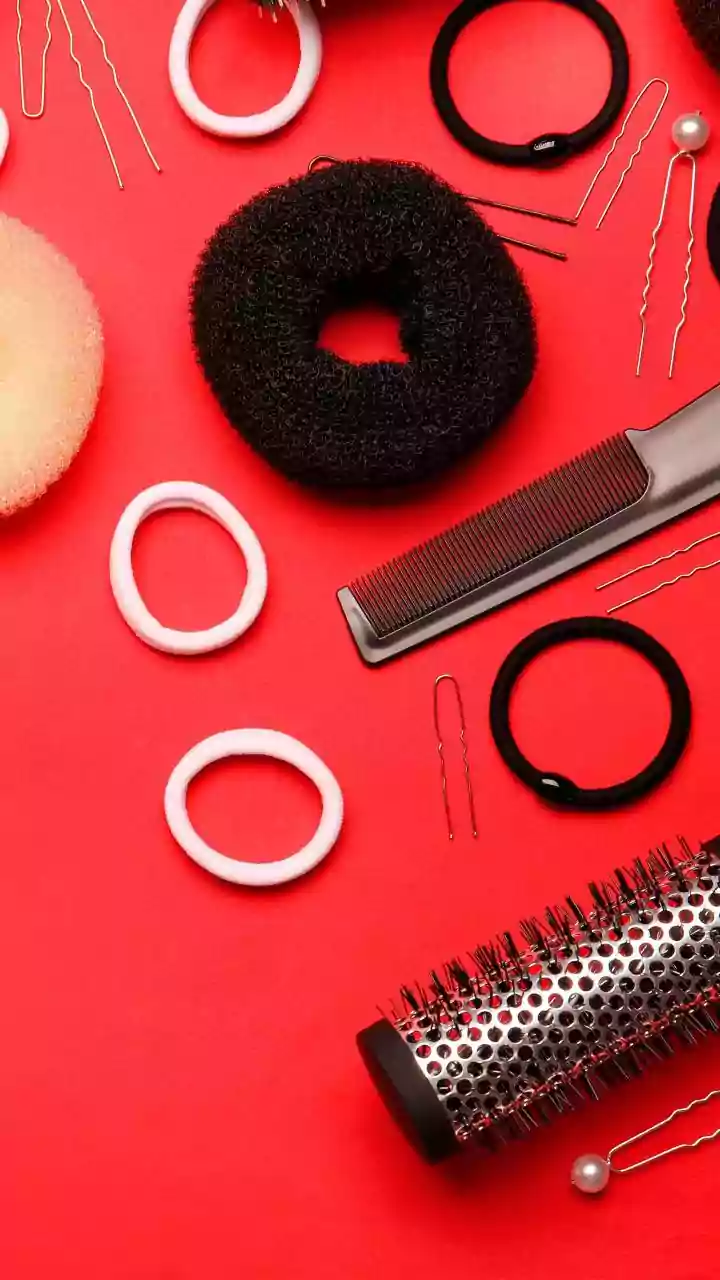
When heat styling, your brush choice becomes even more critical. Round brushes are the key to a salon-quality blowout. They create tension that, when combined with heat, shapes the hair. The barrel size determines the result: smaller barrels create tighter curls, while larger ones produce soft waves and volume. Many modern round brushes feature ceramic or tourmaline barrels that retain heat, effectively turning the brush into a gentle styling iron that speeds up drying time and smooths the hair cuticle for a frizz-free finish. A vented brush also allows air to circulate freely, significantly cutting down drying time.
So, What's Hairspray For?
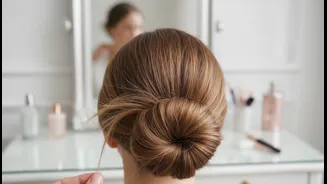
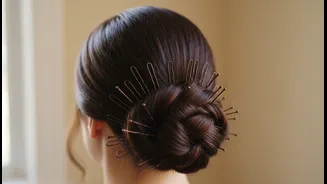
This isn't to say hairspray is useless. It absolutely has its place, but its role should be specific. Think of hairspray as insurance, not infrastructure. It’s for locking in a carefully created style, providing a barrier against humidity, taming persistent flyaways on a finished look, or giving hold to an intricate updo. The problem arises when we use it as a crutch, spraying heavily to compensate for a style that lacks a proper foundation. When you start with the right brush and technique, you’ll find you need far less product to achieve a look that not only looks better but also lasts longer.