




A New Culinary Grammar
For years, high-end Indian food often meant rich curries and familiar kebabs. But a new wave of culinary creativity is sweeping the nation, championed by chefs who are looking inward for inspiration. This isn't about fusion in the old sense—mashing two
cuisines together—but a deeper, more thoughtful exploration of India's own vast pantry. Progressive Indian cuisine is about deconstructing beloved dishes and childhood memories, then reassembling them with modern techniques and an artist’s eye. Restaurants are designing menus that feel like a narrative, where each course builds upon the last, telling a story of flavour, memory, and innovation. The goal is to present Indian food in a new light, balancing nostalgia with a sense of discovery.
The First Sip Sets the Tone
The experience begins the moment you arrive, long before any food is served. The welcome drink has been elevated from a simple courtesy to a statement of intent. Forget generic juices; today’s menus feature inventive beverages that immediately ground you in an Indian flavour-scape. Think of tangy and spiced concoctions like jaljeera, aam panna, and kokum sharbat, which stimulate the appetite. These drinks are often presented with modern flair, perhaps as a chilled soup, a savoury lassi, or a non-alcoholic cocktail infused with regional herbs and spices. This first taste acts as a prologue, preparing the palate for the complex journey ahead and signalling that every detail of the meal has been considered.
Reimagining the Main Event
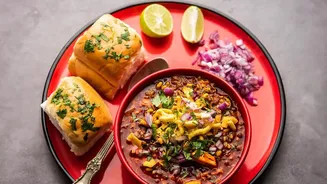
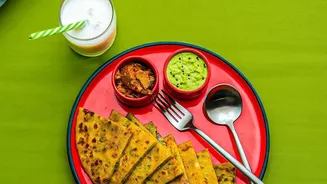
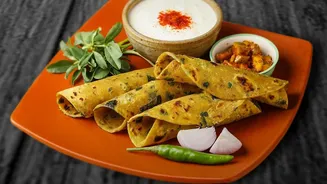
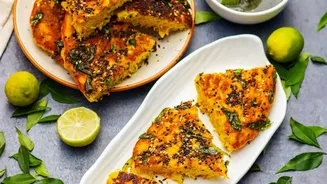
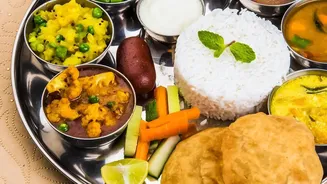
The main course in a progressive Indian meal challenges expectations. Instead of a table laden with multiple bowls, you are more likely to encounter a series of carefully composed small plates. Each plate is designed to highlight a specific ingredient or flavour profile. A familiar dish like butter chicken might be reinterpreted into an elegant small plate, or a humble street food like chaat could be presented with foams and textures that surprise the senses. Chefs are using global techniques like sous-vide to achieve perfect textures in traditional meats and vegetables, ensuring every bite is deliberate. This approach allows diners to appreciate the nuances of Indian spices and ingredients in a focused, uncluttered way, turning the meal into a guided tour of the subcontinent's culinary diversity.
The Sweet Revolution
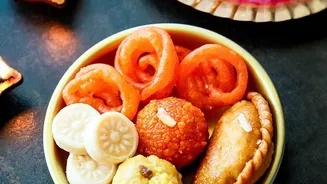
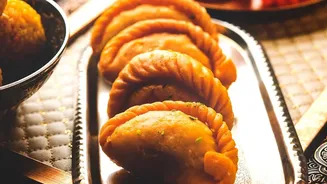
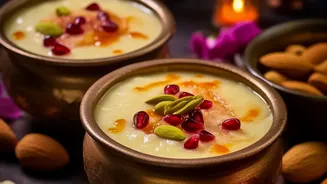
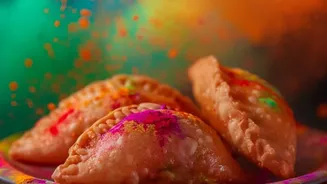
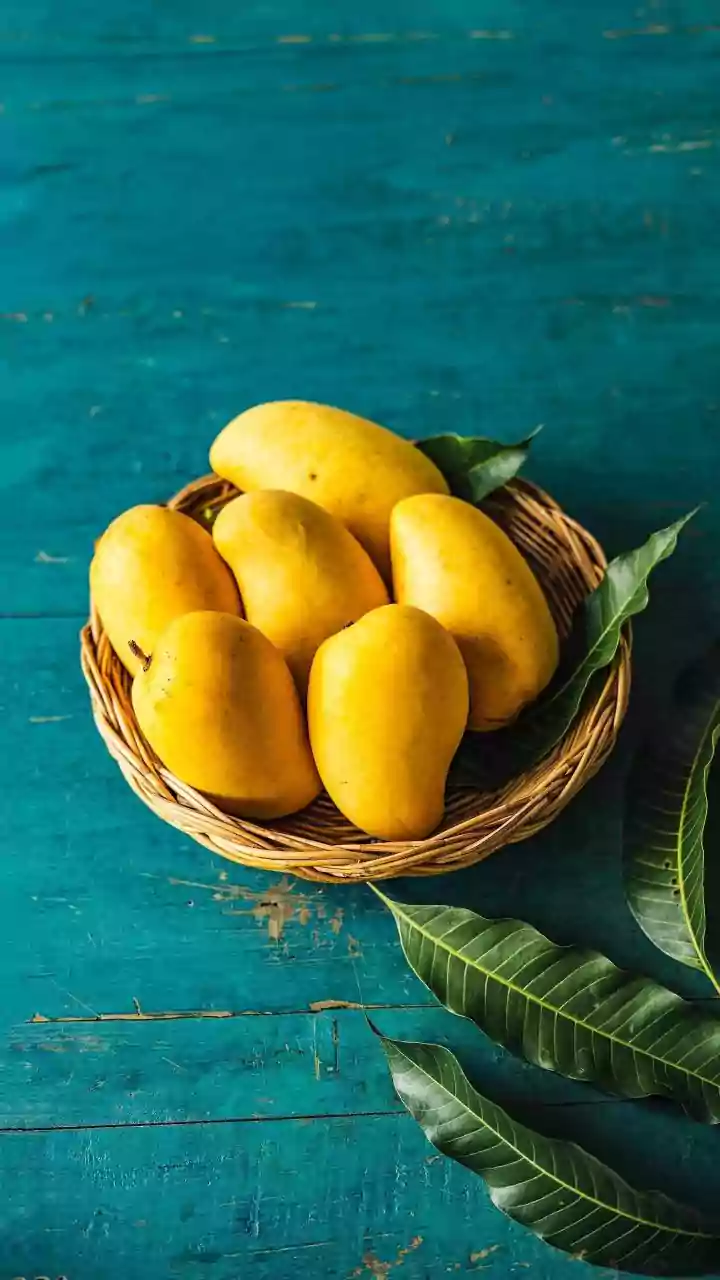
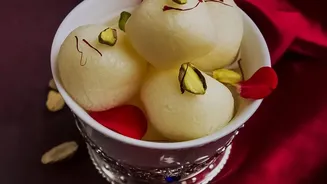
Indian desserts, or mithai, have often been typecast as one-dimensionally sweet. But that perception is being turned on its head. Pastry chefs are now the architects of a sweet revolution, creating desserts that are lighter, more complex, and visually stunning. They are breaking down classics like gulab jamun and rasmalai and incorporating them into new forms, such as cheesecakes, tarts, and delicate pastries. The over-reliance on sugar is replaced by a focus on the inherent flavours of ingredients like cardamom, saffron, jaggery, and seasonal fruits. You might find a Mysore pak coffee cheesecake, an imarti-waffle creation, or a saffron-infused panna cotta. This reinvention respects the soul of the original sweet while presenting it in a format that feels fresh, modern, and utterly delicious.
More Than Just a Meal
This movement is driven by a powerful philosophy: to celebrate and elevate Indian culinary heritage on a global stage. By focusing on local ingredients, forgotten recipes, and regional specialities, chefs are not just cooking; they are acting as cultural ambassadors. They are proving that Indian food can be as nuanced, artistic, and sophisticated as any other world cuisine. These tasting menus are a confident declaration that India is no longer just following global food trends but is busy creating its own. It’s an invitation to experience familiar flavours in a way that feels both comforting and completely new, making you rethink everything you thought you knew about Indian food.