



The Core Philosophy: Cook Once, Eat Many Ways
The secret to successful solo cooking lies in a simple shift in mindset. Instead of thinking about cooking a single meal, think about preparing components. The goal is to cook a base ingredient that can be transformed into several different dishes over
the week. This 'cook once, eat many ways' approach ensures variety, minimises daily cooking time, and drastically reduces the all-too-common problem of food waste that plagues solo kitchens. It’s not about eating the same leftovers for days, but about repurposing a core element into new, exciting meals.
Mastering the Shared Ingredient
The hero of this strategy is the shared ingredient. These are versatile foods that can anchor several distinct meals. Think about a whole roasted chicken, a large batch of cooked chickpeas, or a pot of rice. On Sunday, you might roast a chicken. On Monday, slices can go into a sandwich. On Tuesday, shredded meat can be added to a quick fried rice or a salad. By Wednesday, you could use the last bits to make a comforting soup. For vegetarians, a large batch of paneer tikka or seasoned lentils can be similarly versatile, finding its way into wraps, salads, and curry bowls throughout the week. Other great options include quinoa, potatoes, and seasonal vegetables that can be roasted in a large batch and used as a side dish one night and a base for a frittata the next.
Your Smart Shopping Strategy
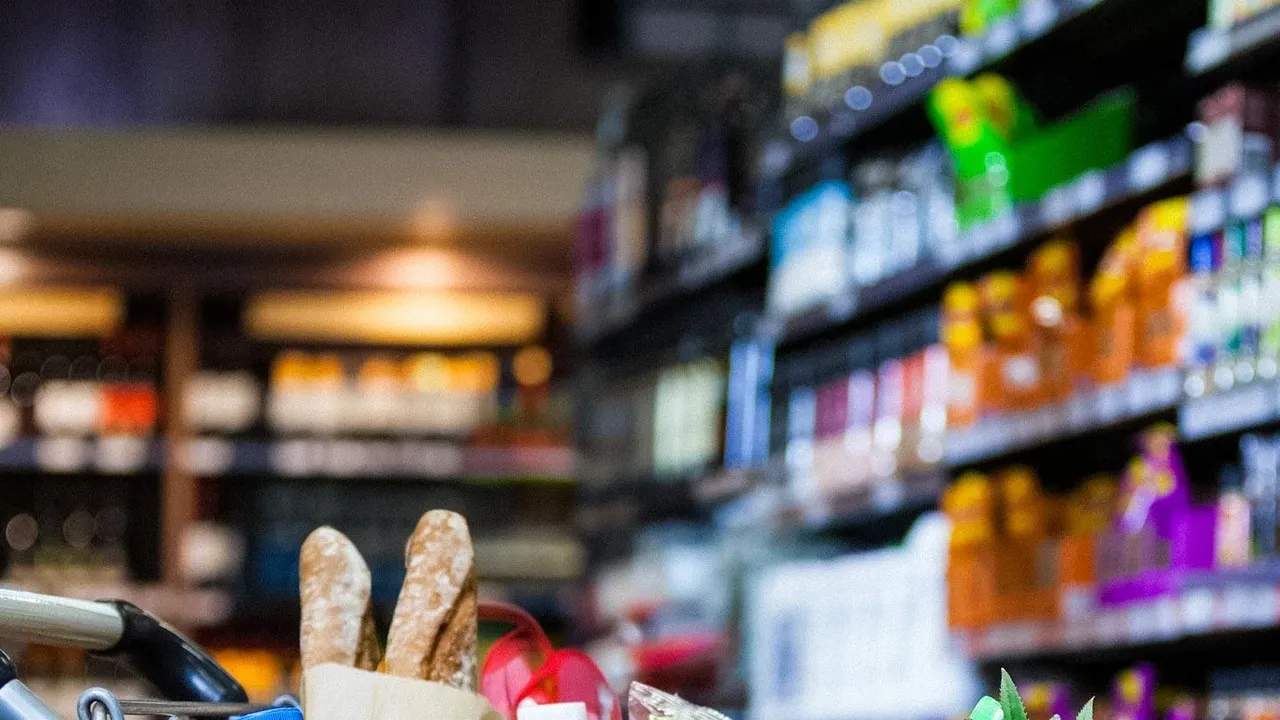
A successful meal plan for one starts at the grocery store. Avoid the trap of family-sized packaging. Instead, make the bulk bins your best friend for things like grains, nuts, and lentils, where you can buy the exact quantity you need. When it comes to fresh produce, don't be afraid to buy loose items rather than pre-packaged bags. You might not need a whole bag of onions, but one or two will do just fine. Having a loose meal plan before you shop is crucial. Know which core ingredients you'll be using for the week to avoid impulse buys that might go to waste. A list focusing on these versatile staples is your best defence against an overflowing and underutilised fridge.
Befriend Your Freezer
The freezer is the most important appliance for a solo cook. It’s a pause button for your food, allowing you to lock in freshness and create a library of single-serving meals. Get into the habit of portioning and freezing leftovers immediately. Soups, stews, curries, and pasta sauces all freeze exceptionally well. Invest in good quality single-serving containers, freezer-safe bags, or even mason jars. A great tip is to lay bags flat while freezing to create thin 'slabs' that thaw quickly and stack efficiently. Don’t forget to label everything clearly with the name of the dish and the date it was frozen. You'll thank yourself later when you can pull out a perfect portion of home-cooked food on a busy night.
Putting It All Together
So what does this look like in practice? Imagine you buy a block of paneer. On Sunday, you could make a paneer and vegetable skewer. On Monday, crumble the leftover paneer into a spicy bhurji for breakfast. On Tuesday, toss cubes into a palak paneer. Any extra paneer can be frozen for another week. Similarly, cook a large pot of chickpeas. Use them in a chana masala one night, toss them into a salad for lunch the next day, and blend the rest into hummus for snacks. This modular approach to cooking removes the daily pressure of deciding what to eat and ensures you have delicious, varied, and waste-free meals at your fingertips.