
Understanding the Core Differences
Before diving into modifications, it’s helpful to know what makes each workout unique. Pilates is a low-impact exercise method focused on controlled movements, core strength, flexibility, and body awareness. It emphasizes precision and muscle control,
often using your own body weight or specialized equipment. Think of it as building a strong, stable foundation from the inside out. On the other hand, Zumba is a high-energy dance fitness program set to upbeat Latin and world music. The primary goals are cardiovascular health and calorie burning in a party-like atmosphere. While a standard Zumba class involves jumping and fast-paced moves, its intensity can be adjusted.
Making Pilates Work for You
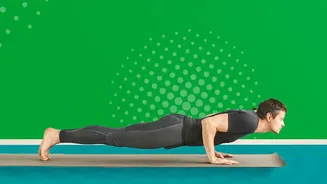
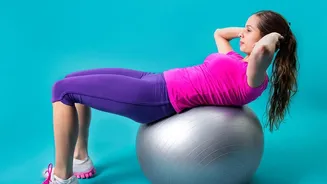
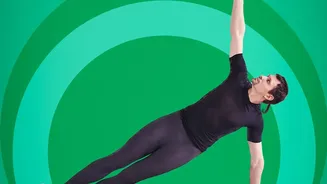
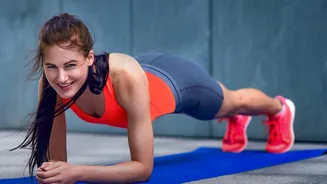
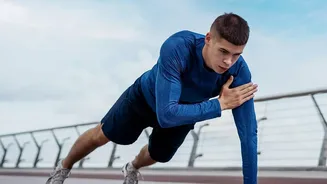
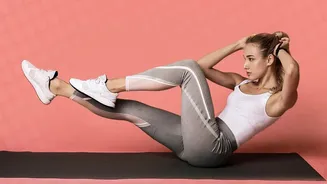
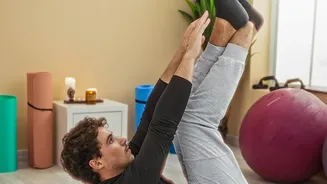
The beauty of Pilates is its inherent adaptability. It's not about pushing through pain; it’s about high-quality, smart movement. If you're a beginner or have physical limitations, modifications are not a cop-out—they are the key to progress. For example, during a 'Roll Up,' instead of straining to lift your entire torso, you can bend your knees to make the movement more accessible. This still engages your core and articulates your spine without compromising form. For exercises like planks, which can strain wrists and shoulders, dropping to your forearms or knees reduces the load while maintaining core stability. A good instructor will always provide these options, ensuring you focus on the correct muscles without risking injury.
Taming the Zumba Beat
Zumba might seem like a whirlwind of non-stop movement, but it is incredibly beginner-friendly. The key is to listen to your body and modify for impact. If the class is jumping, you can perform a step-touch instead, keeping one foot on the ground at all times. This low-impact version still keeps your heart rate up and burns calories without stressing your joints. You can also reduce your range of motion; make your steps smaller and keep arm movements lower until you build confidence and stamina. If you feel overwhelmed by the choreography, focus on just the footwork first. As you get more comfortable, you can add the arm movements. Remember, there's no right or wrong way to dance in Zumba; the goal is simply to move and have fun.
The Instructor Is Your Best Ally
Regardless of which class you choose, the most valuable resource is a qualified instructor. Arrive a few minutes early and let them know you're new or have concerns about specific movements. A good instructor will offer modifications throughout the class, not just for you but for everyone, as fitness levels can vary widely in any group setting. They can provide personalized adjustments, check your form, and create a welcoming environment. Specialised classes like Zumba Gold, designed for active older adults, already incorporate lower-impact choreography.
Which One Is Right for Your Goals?
Choosing between modified Pilates and Zumba depends on what you want to achieve. If your primary goal is to build core strength, improve posture, enhance flexibility, and create a mind-body connection, Pilates is an excellent choice. It’s also often recommended for rehabilitation from injuries like low back pain. If you’re looking for a fun, high-energy cardiovascular workout to burn calories, boost your mood, and improve coordination, Zumba is your go-to. Its low-impact variations make it accessible for those with joint concerns who still want a heart-pumping workout. Many people find that combining both workouts offers a perfect balance of strength training and cardio.