








The Climate Culprit: What is El Niño?
El Niño is a naturally occurring climate pattern, but its impact is felt globally. It begins with the unusual warming of surface waters in the central and eastern Pacific Ocean. This change, thousands of kilometres away, disrupts atmospheric circulation
patterns worldwide. For India, this disruption frequently weakens the powerful southwest monsoon, which delivers around 70% of the country's annual rainfall. Forecasts for 2026 from global and Indian agencies have confirmed the development of strong El Niño conditions, which are expected to intensify through the latter half of the monsoon season. While not every El Niño year results in a drought, the historical correlation with below-normal rainfall has put economists and policymakers on high alert.
The First Domino: Agriculture at Risk
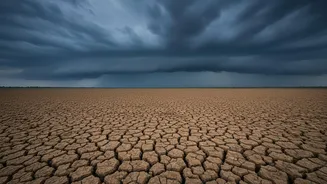
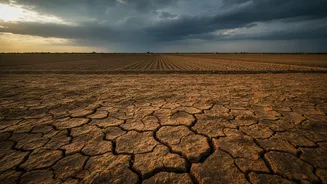
The most immediate and direct impact of a weak monsoon is on agriculture. Nearly half of India’s net sown area is rain-fed, making it highly dependent on the timing and distribution of monsoon showers for the critical Kharif sowing season. Crops like rice, cotton, soybeans, and pulses are particularly vulnerable. As of early August 2026, the monsoon has already shown signs of stress, with a nationwide deficit of 12% and significant regional shortfalls. A prolonged dry spell or an erratic distribution of rain can lead to lower crop yields, forcing farmers to contend with diminished incomes and increased debt, setting off the first in a series of economic shocks.
Beyond the Farm Gate: The Consumption Shock
The health of rural India is a key driver of the national economy. When farm incomes fall, so does rural demand. This slowdown doesn't stay on the farm; it quickly travels to corporate balance sheets. Companies selling everything from fast-moving consumer goods (FMCG) and two-wheelers to tractors and construction materials feel the pinch. With a significant portion of the population reliant on agriculture, a drop in their purchasing power creates a major drag on overall consumption. This 'consumption shock' can dampen corporate earnings and investor sentiment, illustrating just how interconnected the fields of rural India are with the stock markets in Mumbai.
The Inflation Threat and Policy Headaches
A poor harvest inevitably leads to a supply crunch for essential food items, triggering a spike in food inflation. This directly impacts household budgets across the country, from rural villages to urban centres. The Reserve Bank of India (RBI) has already flagged the weak monsoon as a significant risk to its inflation outlook for the year. Rising food prices can force the central bank to maintain a hawkish stance on interest rates, potentially delaying rate cuts that could otherwise spur growth. This creates a difficult balancing act for policymakers: trying to control inflation without stifling economic activity. Furthermore, a weak monsoon reduces water levels in reservoirs, which not only impacts irrigation for future crops but also curtails hydropower generation, potentially pushing energy costs higher.
Building Resilience: Is India Better Prepared?
While the risks are significant, India's economy is not as singularly dependent on the monsoon as it was decades ago. The country has built several buffers to mitigate the impact. Substantial government-held food grain reserves can be deployed to stabilise prices and ensure food security. An increase in irrigated farmland, though still insufficient, provides a cushion against poor rainfall in some areas. The economy itself is more diversified, with the services and manufacturing sectors playing a much larger role. Analysts at S&P Global Ratings have noted that proactive policies, including improved water management and crop diversification, can help limit the economic damage. While these measures don't eliminate the monsoon risk, they do enhance the economy's capacity to absorb the shock of a single bad season.