



The Science of 'Brightness'
When we talk about an herb's "brightness," we're referring to its unique combination of flavour and aroma. These qualities come from volatile oils within the plant's leaves. As the name suggests, these oils are delicate and evaporate easily when exposed
to heat. Prolonged cooking breaks down these fragile compounds, causing the fresh, punchy notes to disappear, sometimes leaving behind a dull or even slightly bitter taste. The key to preserving that brightness isn't about using more herbs, but about understanding when to add them.
The Two Herb Families: Hardy vs. Delicate
The secret to perfect herb timing lies in a simple classification: are you using a hardy herb or a delicate one? This distinction is the single most important rule to follow. Hardy herbs have robust, woody stems and tougher leaves, while delicate herbs have soft stems and tender leaves. Recognizing which category your herb falls into will instantly tell you how to treat it in the kitchen, ensuring its flavour shines through exactly as intended.
Hardy Herbs: The Early Additions
Hardy herbs are built to withstand longer cooking times. Think of plants like rosemary, thyme, sage, oregano, and bay leaves. These herbs have tough, resinous leaves whose flavours are released slowly with heat. Adding them early in the cooking process—such as when you're sautéing aromatics or building the base of a stew—allows them time to soften and fully infuse the dish with their deep, earthy notes. For herbs like rosemary and thyme, you can even add entire sprigs and simply remove the woody stems before serving. As a general rule, these herbs can be added during the last 20 minutes of cooking or even earlier for slow-simmered dishes.
Delicate Herbs: The Finishing Touch
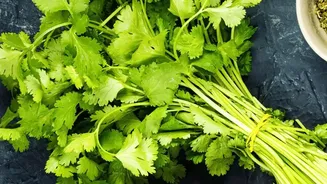
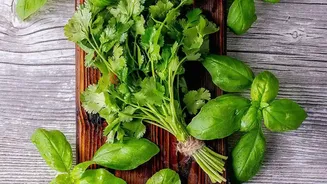
Delicate herbs are the exact opposite. This group includes popular additions like basil, parsley, cilantro, mint, dill, and chives. These herbs have a high moisture content and their flavour compounds are extremely volatile. If added too early, their fresh, vibrant character will completely cook away. To preserve their essence, they should be treated as a finishing ingredient. The best practice is to stir them in during the last minute or two of cooking, or to sprinkle them over the dish right before serving. This ensures their bright colour and fresh aroma make it to the plate, providing a final burst of flavour that brings the entire meal to life.
What About Dried Herbs?
It’s worth noting that dried herbs behave more like their hardy fresh counterparts. The drying process concentrates their flavour, but they require time and moisture to rehydrate and release it. This is why recipes often call for adding dried herbs, even delicate ones like dried basil, earlier in the cooking process. However, many delicate herbs lose their signature freshness when dried, with some chefs finding little use for varieties like dried basil or cilantro. When substituting fresh for dried, a common rule of thumb is to use three times the amount of fresh herbs.