




The Allure of Aromatic Baking
Cloves bring a unique warmth to baked goods that is intense, sweet, and slightly peppery. This complexity comes from a compound called eugenol, which gives cloves their signature scent and flavour. While often part of a larger blend like pumpkin pie spice
or garam masala, using clove more deliberately can add a surprising and sophisticated layer to your baking. Think of it as the bass note in a flavour symphony—it provides a deep, resonant background that makes other spices like cinnamon and nutmeg shine brighter. Its bold character means a little goes a long way, making it an economical and impactful addition to your spice rack.
Whole vs. Ground: A Crucial Choice
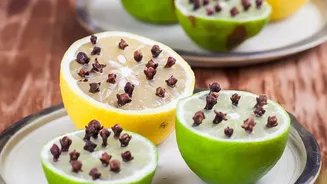
How you use cloves depends entirely on their form. Whole cloves are dried flower buds perfect for infusion. Add them to liquids like milk for custards, poaching syrups for fruits like pears, or mulled ciders and wines. The key is to let them simmer gently to release their aromatic oils, and then remove them before serving to avoid a bitter, woody bite. Ground cloves, on the other hand, are much more potent and designed to be fully integrated into batters and doughs. This form is ideal for spice cakes, gingerbread, and cookies where you want the flavour distributed evenly throughout. As a rule of thumb, about three-quarters of a teaspoon of ground cloves can substitute for one teaspoon of whole cloves.
Mastering the Art of Balance
The number one rule of baking with cloves is to be restrained. Its flavour is so strong that it can easily overwhelm a dish. For most recipes, like spice cookies or cakes, a quarter to half a teaspoon of ground cloves is plenty for a standard batch. To soften its intensity, pair it with complementary spices. Cinnamon adds a familiar sweetness, while nutmeg contributes a nutty warmth and ginger provides a zesty kick. Allspice is another excellent companion, as its flavour profile naturally contains notes of clove, cinnamon, and nutmeg. By using cloves as part of a balanced team, you achieve a more rounded and nuanced flavour.
Classic Dessert Pairings to Try
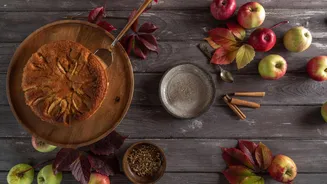
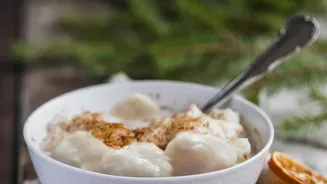
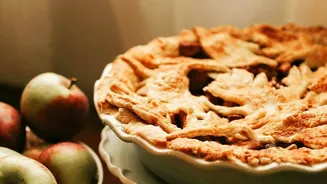
Certain flavours have a natural affinity for cloves, making them a great starting point for experimentation. Fruits, in particular, are a perfect match. Stewed apples, pear tarts, and pumpkin-based desserts like pies and breads are classic canvases for the warm spice. Clove is also a cornerstone of gingerbread and other molasses-heavy bakes, where its sharp notes cut through the deep sweetness. In an Indian context, think beyond garam masala. A pinch of ground clove can bring a new dimension to rice kheer, or you can infuse the sugar syrup for gulab jamun with a few whole cloves for an unexpected aromatic twist.
Creative and Unexpected Combinations
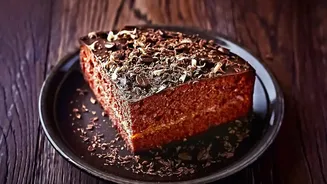
Once you are comfortable with the basics, you can explore more adventurous pairings. Chocolate and clove, for instance, are a surprisingly delicious match; a small pinch of ground clove can add a mysterious depth to brownies or a mug of hot cocoa. The spice also works beautifully with the bright acidity of citrus, especially oranges, in everything from cakes to mulled drinks. For a truly simple start, try making a clove-infused sugar. Simply add a few whole cloves to a jar of sugar and let it sit for a week. The sugar will absorb the aroma and can be used to sweeten tea, coffee, or be sprinkled over simple butter cookies for a fragrant finish.