

A Taste of Home in Orbit
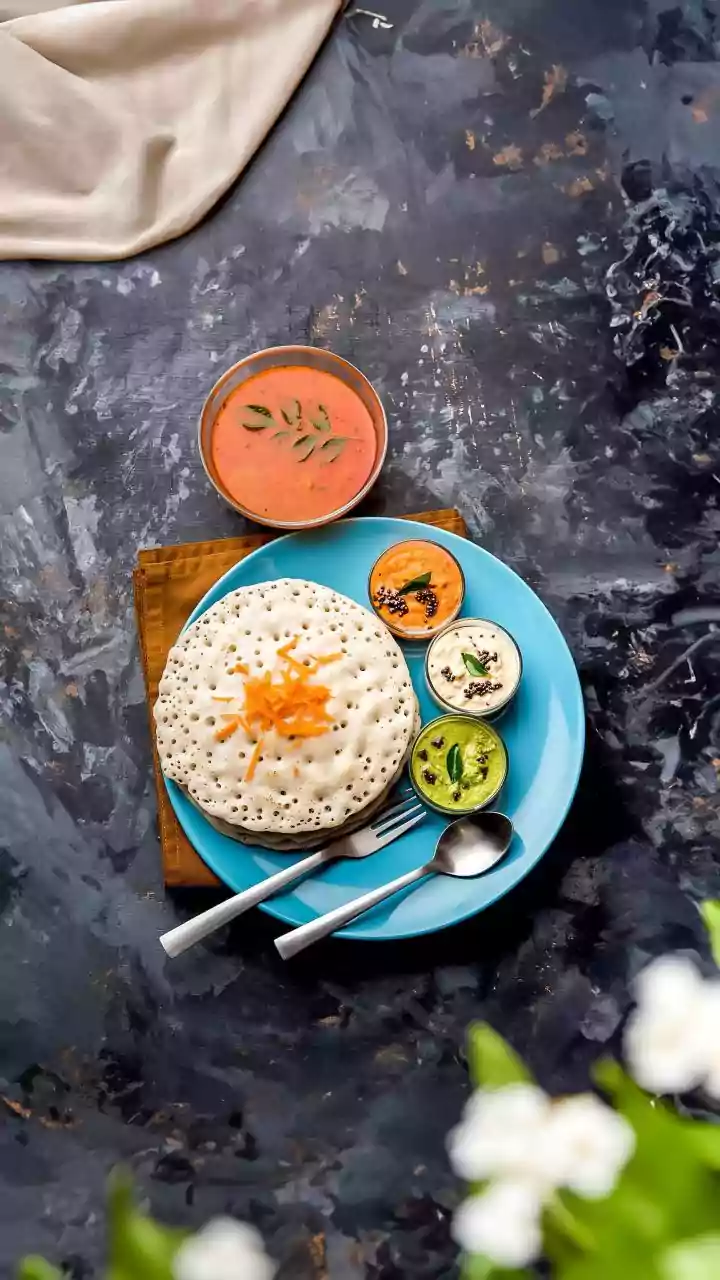
The menu for India's astronauts, developed by the Defence Food Research Laboratory (DFRL) in Mysuru, is designed to be a comforting taste of home. The extensive list features over two dozen items including familiar dishes like vegetable pulao, idli, upma,
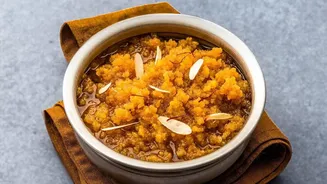
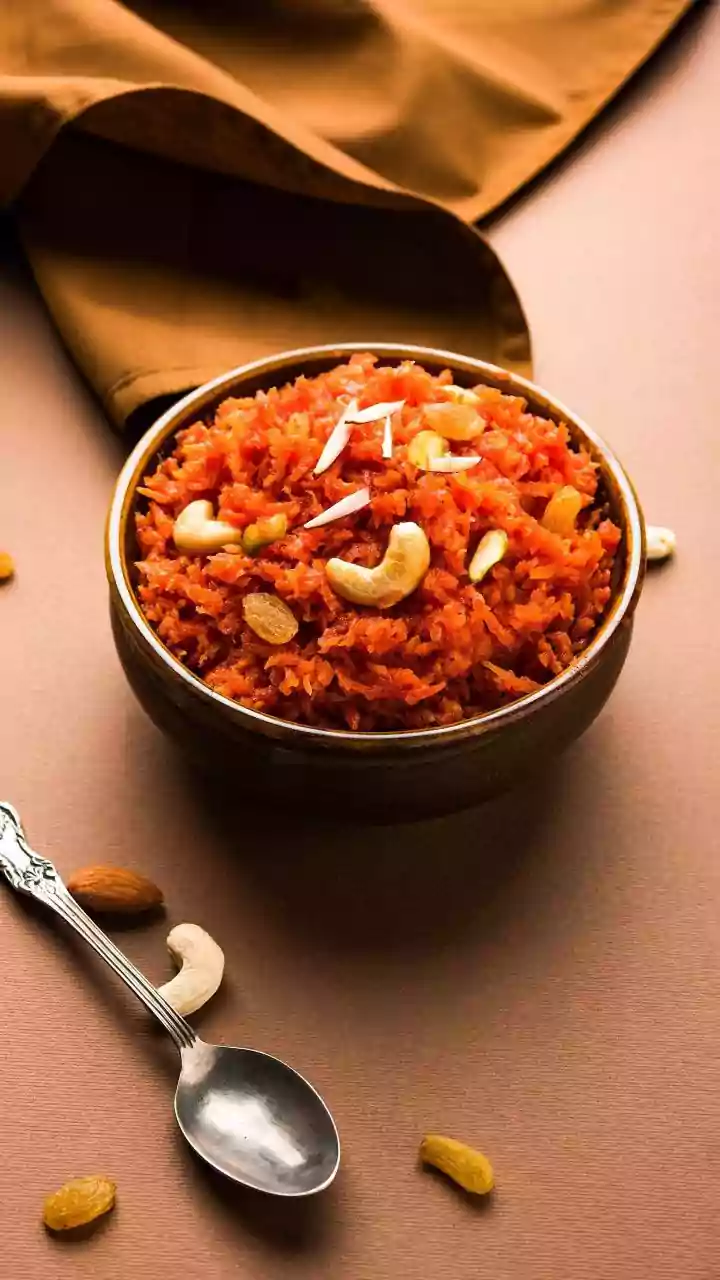
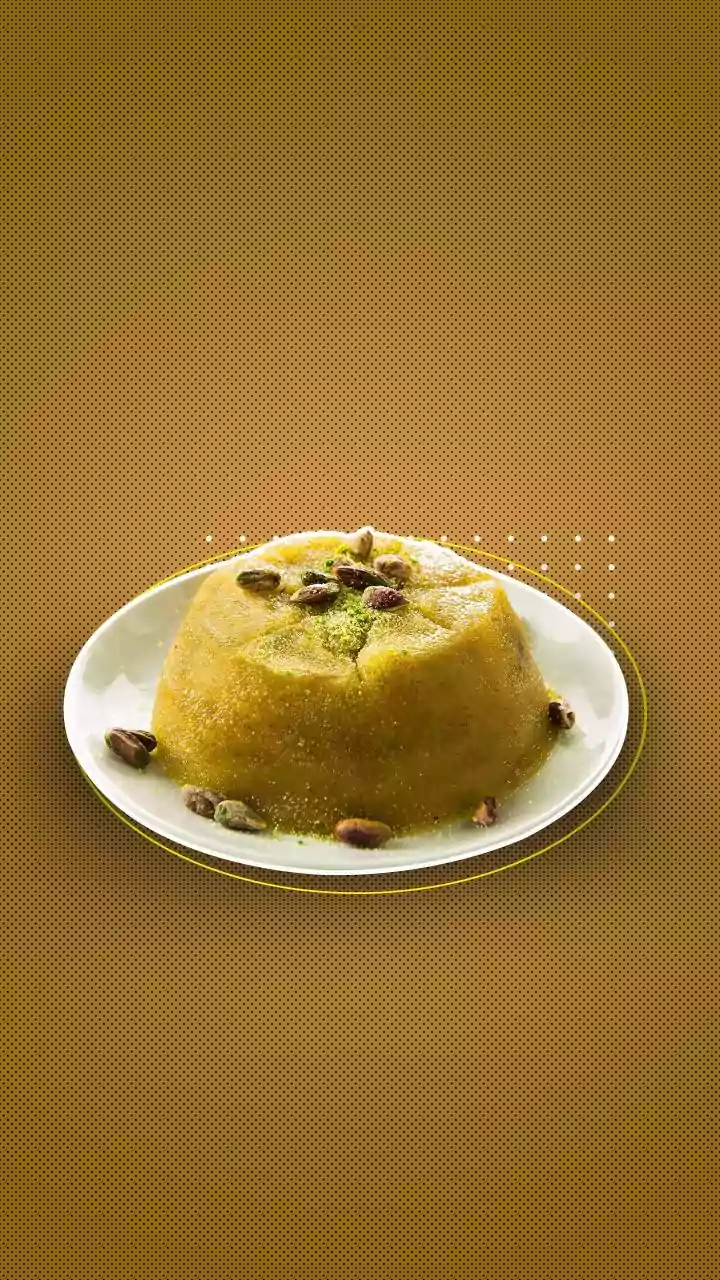
chapatis, and chicken korma. For dessert, astronauts might enjoy moong dal or suji halwa. This variety is not just for enjoyment; it is a crucial psychological tool. In the isolated environment of a spacecraft, familiar foods play a significant role in boosting morale and well-being. The meals are specially formulated to be less spicy and oily, though optional spice sachets will be available for those who prefer an extra kick.
The Ultimate Shake Test
Before any food can be cleared for a space mission, it must survive the journey there. A rocket launch is an event of extreme violence, subjecting everything onboard to intense shaking and G-forces. This is where vibration testing comes in. Every food pouch and container is rigorously tested to ensure it remains intact and sealed during launch. A breach could be catastrophic, not just wasting food but potentially contaminating the sterile cabin environment. Food scientists at DRDO must ensure that the packaging is robust and that the food's texture isn't destroyed by the vibrations, which could turn a solid meal into an unappetising mush before it even reaches orbit.
A Pantry for Zero Gravity
Spacecraft do not have refrigerators. The heat they generate cannot dissipate properly in microgravity, creating dangerous hotspots. This means all food must be shelf-stable for long periods, sometimes up to a year or more, without spoiling. DFRL uses advanced food preservation techniques, such as retort processing and freeze-drying, to make meals safe to eat for the duration of the mission. This process involves heating food in its pouch to kill any microbes, ensuring its longevity. The packaging itself is a feat of engineering, designed to be lightweight, compact, and able to withstand radiation while keeping the contents nutritious and safe.
The Challenge of Dining in the Void
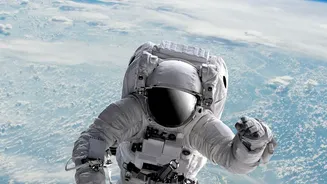
Eating in microgravity is unlike anything on Earth. Without gravity, crumbs don't fall to the floor; they float, posing a serious risk to sensitive equipment and air vents, and can even get into an astronaut's eyes. This is why bread is banned and tortillas are preferred. DFRL has developed foods with special binders to ensure they don’t crumble when a package is opened. Liquids are also a challenge. To drink water or juice, astronauts use special pouches and straws. Even salt and pepper are in liquid form to prevent tiny grains from floating away. Furthermore, microgravity affects the sense of taste and smell, as fluids shift to the head, creating a sensation similar to having a cold. This often makes food taste bland, which is why astronauts frequently prefer spicier or more intensely flavoured meals.