





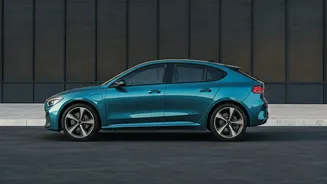


The Core Benefit: Zero Road Tax and Registration Fees
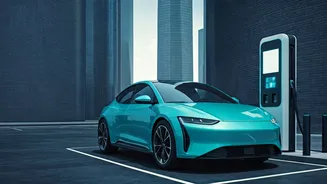
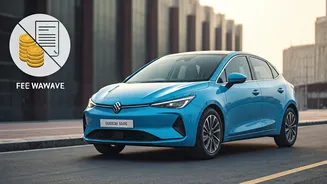
The most significant advantage for prospective EV buyers in Delhi is the complete waiver of road tax and registration fees. This policy, which came into effect on July 1, 2026, is designed to drastically reduce the initial on-road cost of an electric
vehicle, making it more competitive with its petrol and diesel counterparts. For private cars, this 100% exemption applies to all-electric models with an ex-showroom price of up to ₹30 lakh. This covers a wide range of popular models currently on the market. However, if you're eyeing a luxury EV priced above that ₹30 lakh mark, you will have to pay the standard taxes. This waiver is a cornerstone of the Delhi EV Policy 2.0, which is valid until March 31, 2030, providing a long-term incentive for the city's residents to go electric.
Who is Eligible for the Waivers?
The fee waiver advantage applies to all new battery electric vehicles registered in the national capital. This includes two-wheelers, three-wheelers, and four-wheelers. For four-wheelers, the key condition is the price cap of ₹30 lakh (ex-showroom) to qualify for the 100% road tax and registration fee exemption. The policy is exclusively for pure electric vehicles; strong hybrid vehicles, which were considered in earlier drafts, are not eligible for these specific benefits. The government's focus is clearly on promoting zero tailpipe emission vehicles to combat the city's air pollution challenges.
Beyond Waivers: Purchase and Scrappage Incentives
While the fee waiver provides a substantial upfront discount, the Delhi government is sweetening the deal with additional financial benefits. Direct purchase incentives are available, especially for two and three-wheelers. In the first year of the policy, buyers of electric two-wheelers can receive a subsidy of up to ₹30,000, while three-wheeler buyers can get up to ₹50,000. Furthermore, a generous scrappage incentive encourages owners of old, polluting vehicles to make the switch. If you scrap a BS-IV or older four-wheeler and purchase a new EV, you could be eligible for an incentive of ₹1 lakh. Scrappage benefits are also available for two-wheelers and commercial vehicles, ranging from ₹10,000 to ₹50,000.
How to Claim Your Benefits
The Delhi government is streamlining the process for claiming these incentives through a dedicated online portal. It's crucial for buyers to know that these benefits are not automatically applied at the dealership. Once your new EV is registered and the Registration Certificate (RC) is generated, you will have a 30-day window to apply for the subsidies and waivers through this portal. To apply, you will typically need proof of Delhi residency (like an Aadhaar card or utility bill), the vehicle's RC, and your bank account details for the Direct Benefit Transfer (DBT) of any cash incentives. Missing this 30-day deadline could mean forfeiting the financial advantages, so it's essential to be prepared.
The Bigger Picture: Delhi's EV Mandate
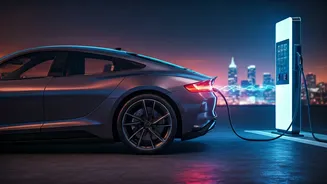
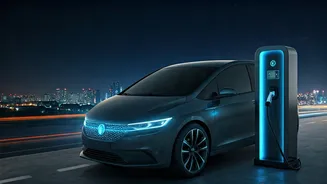
These financial advantages are part of a much larger, ambitious plan to electrify Delhi's vehicle fleet. The policy sets a clear timeline to phase out vehicles with internal combustion engines (ICE). From January 1, 2027, only electric auto-rickshaws and certain commercial goods carriers will be registered in the city. An even bigger shift will happen from April 1, 2028, after which no new petrol-powered two-wheelers will be allowed for registration. To support this massive transition, the government has allocated a budget of around ₹15,000 crore and plans to install over 32,000 public charging points over the next four years. This aggressive strategy aims to not only make EVs cheaper to buy but also easier to own and operate in the long run.