

The Challenge of Stark Simplicity
Minimalist design, with its focus on uncluttered spaces and neutral palettes, creates a sense of calm. However, rooms filled only with smooth, hard surfaces like glass, metal, and polished concrete can feel flat and sterile. Without varied textures, the
eye has nowhere to rest, and the space can lack the inviting, lived-in quality that makes a house feel like a home. The key is to introduce sensory richness without creating clutter. This is where the humble basket finds its purpose, acting as a powerful tool to soften hard lines and add visual depth.
The Power of Natural Texture
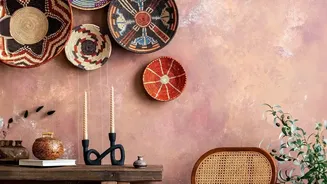
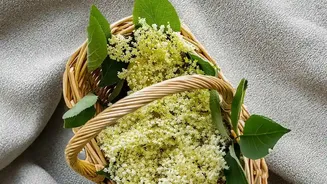
Woven baskets are a masterclass in texture. Their handwoven surfaces, full of natural variations and imperfections, provide a beautiful contrast to sleek, modern furnishings. This tactile quality adds a layer of visual interest and warmth, making a space feel more dynamic and complete. Incorporating natural materials is also a core principle of biophilic design, which seeks to connect our indoor environments with nature to improve well-being and reduce stress. The organic forms and earthy tones of baskets fulfill this need, creating a calmer, more grounded atmosphere in your home.
A Basket for Every Function
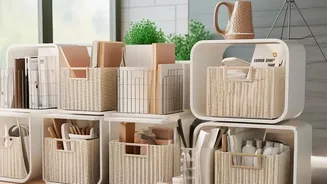
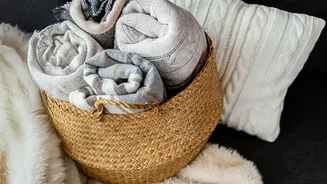
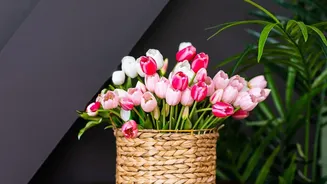
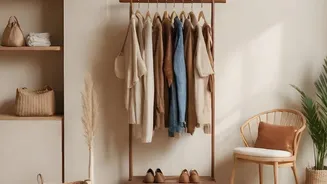
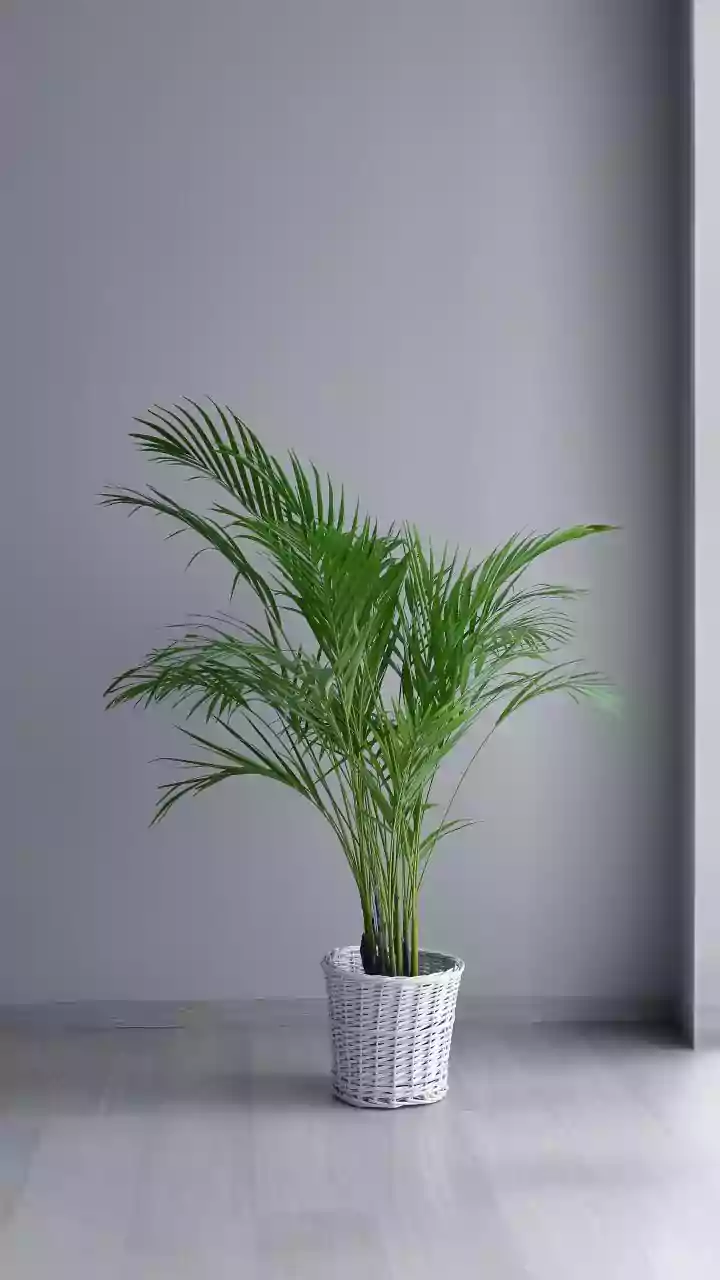
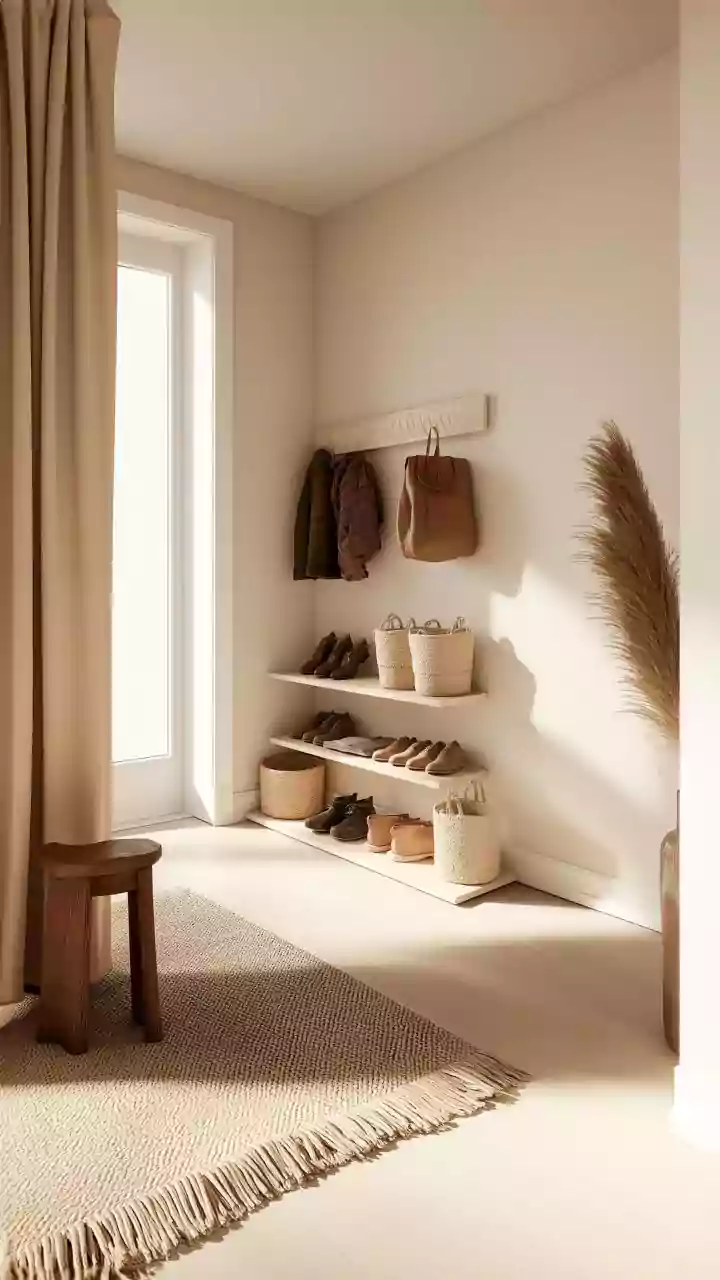
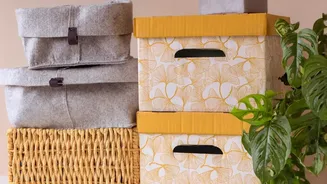
Beyond their aesthetic appeal, baskets are paragons of practicality. Good storage is a design statement, not just a functional necessity. A large, lidded basket can stylishly hide away everything from children's toys to extra blankets, instantly decluttering a living room. In the entryway, a basket serves as the perfect catch-all for shoes or umbrellas, while smaller versions on a console table can neatly contain keys and mail. They are also excellent, breathable containers for housing potted plants (with a waterproof liner, of course), adding a touch of greenery to your decor.
Choosing Your Natural Material
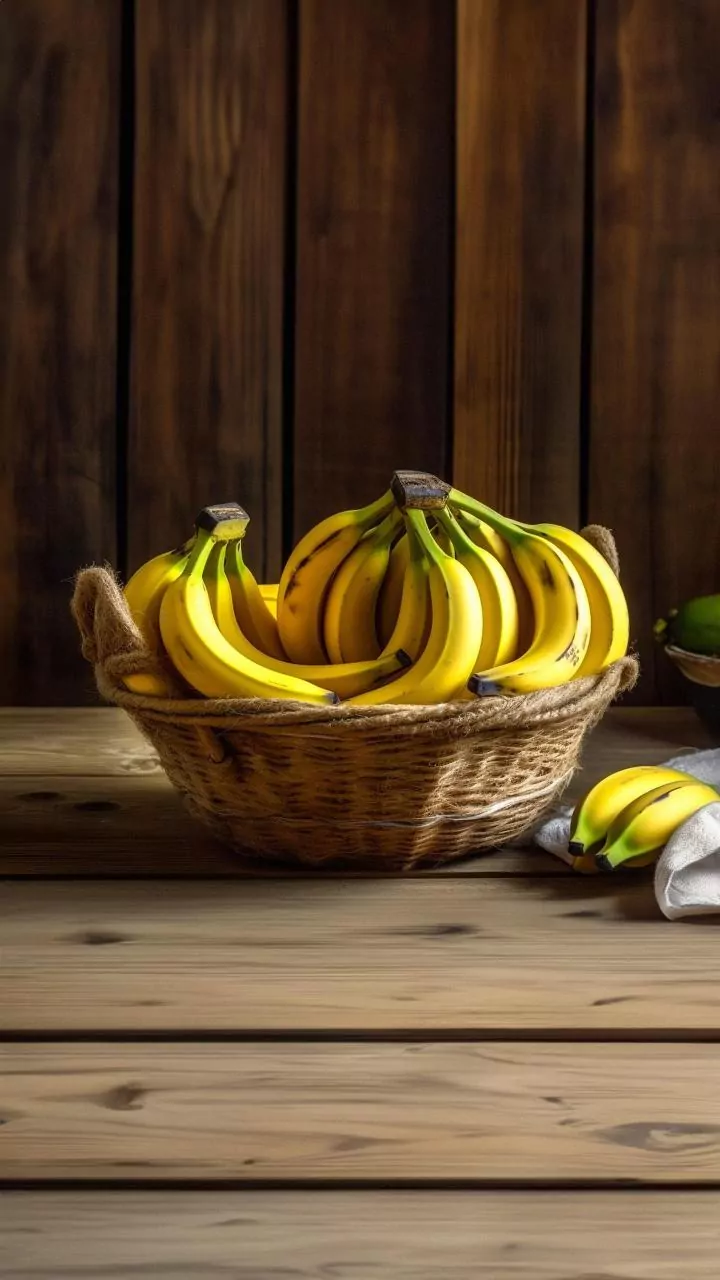
The material of a basket determines its look, feel, and durability. Water hyacinth baskets have a thick, soft, golden weave that provides a chunky, handcrafted look ideal for decorative storage. Seagrass is known for being very hard-wearing, with a smoother, tighter weave, making it great for high-traffic areas and rugs. Jute is another strong natural fibre with a rustic charm, perfect for sturdy baskets that need to hold their shape with heavier items like books or magazines. Rattan, a solid vine, is often used for furniture frames but is also woven into structured, durable baskets. Each of these materials is a renewable, biodegradable choice, making them a sustainable addition to your home.
Smart Placement and Styling
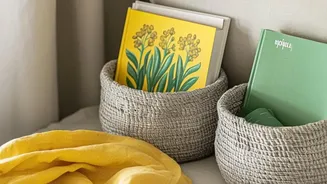
How you place your baskets is just as important as which ones you choose. A large woven basket by a sofa or fireplace does more visual work than an empty corner ever could, instantly making the area feel more intentional and cosy. Try grouping a few baskets of varying sizes and shapes to create a layered, visually interesting vignette. You can use them under a console table, at the foot of a bed for extra pillows, or on open shelving to break up the monotony of books. To maintain a minimalist feel, stick to baskets in neutral, earthy tones that complement your existing colour palette, allowing their texture to be the main focus.