






Understanding the Annual Monsoon Timetable
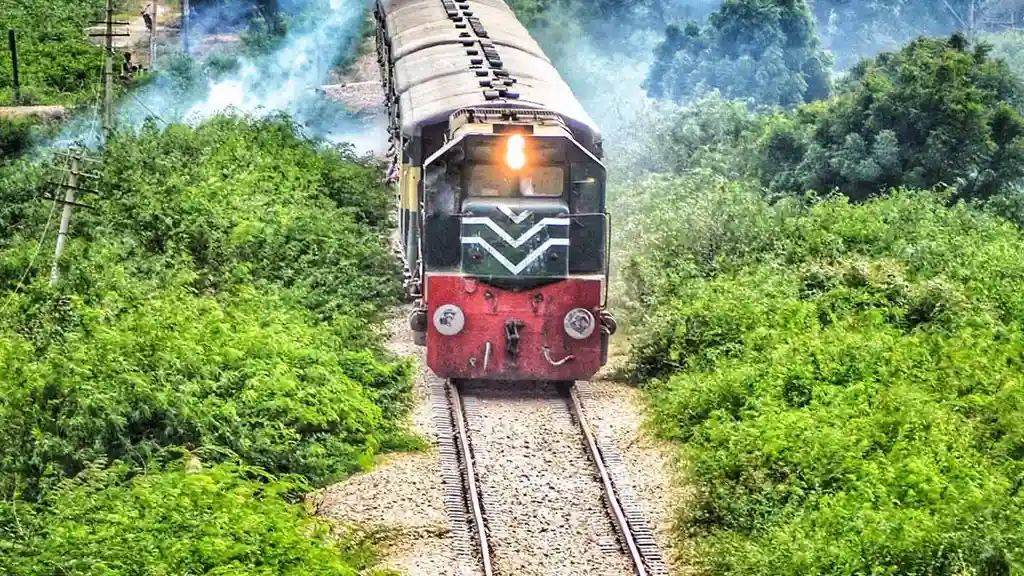
The headline's mention of a schedule change for a "familiar Konkan train" points to a crucial annual safety measure undertaken by Konkan Railway and Central Railway. Every year, from roughly mid-June to the end of October, a special monsoon timetable
is put into effect for all trains running along the Konkan coast. This year, the schedule is active from June 15 to October 20, 2026. This isn't a one-off change but a well-established protocol designed to protect passengers on one of India’s most picturesque yet challenging railway lines. The changes affect dozens of services, including premium trains like the Vande Bharat, Tejas, and Rajdhani Express, as well as numerous passenger and express trains connecting Maharashtra, Goa, Karnataka, and Kerala.
Why the Konkan Route Demands Special Caution
The Konkan Railway route is an engineering marvel, navigating through the rugged terrain of the Western Ghats. This landscape, filled with deep cuttings, high bridges, and numerous tunnels, becomes particularly vulnerable during the monsoon. The region experiences some of the heaviest rainfall in the country, leading to a high risk of landslides, boulder falls, and waterlogging on the tracks. To mitigate these dangers, the railway authorities preemptively reduce the maximum permissible speed of trains. While trains might normally run at up to 120 kmph, during the monsoon, speeds are restricted to a maximum of 75 kmph, and even lower in a few highly sensitive areas. This reduction in speed is the primary reason why timetables need to be adjusted, often resulting in earlier departure times and longer overall journey durations.
Spotlight on Local Services: The MEMU Train
While long-distance express trains get a lot of attention, local services like the Mainline Electric Multiple Unit (MEMU) trains are the lifeline for residents in the region. The headline likely refers to services such as the Diva-Chiplun MEMU, a popular unreserved train for daily and short-distance commuters. Special services on these routes are often run to clear extra passenger rush. While the broader monsoon timetable affects all trains, any adjustments to these crucial local services have a significant impact on thousands of regular commuters. The changes are made to ensure that even these frequent services run with the highest margin of safety during adverse weather conditions.
Enhanced Safety Measures Beyond Speed Limits
The monsoon timetable is just one part of a comprehensive safety plan. Konkan Railway deploys an array of advanced measures to keep the tracks safe. This includes intensified foot patrolling along the entire route, with patrolmen assigned to specific sections to watch for any signs of trouble like soil slippage or track flooding. Stationary watchmen are posted at locations identified as particularly vulnerable. The railway also uses modern technology, such as anemometers on bridges to measure wind speed, flood warning systems at critical river crossings, and self-recording rain gauges to monitor rainfall intensity. This is all coordinated with the India Meteorological Department (IMD) for real-time weather alerts.
What This Means for Your Travel Plans
If you are planning to travel on the Konkan route between June and October, it is essential to be aware of these changes. Your train is likely to depart earlier than its non-monsoon schedule and take longer to reach its destination. For instance, some trains leaving from Kerala towards Mumbai have their departures advanced by several hours. The frequency of some services, like certain Vande Bharat Express trains, may also be reduced from daily to tri-weekly. Railway authorities strongly advise all passengers to check the updated schedule before commencing their journey. You can verify the latest timings on the official National Train Enquiry System (NTES) website or app, or by calling the railway helpline at 139. Arriving at the station well in advance is also recommended.