


The Familiar Pull of the Past
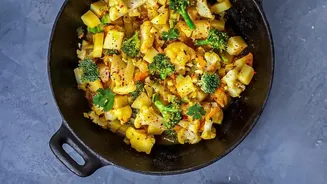
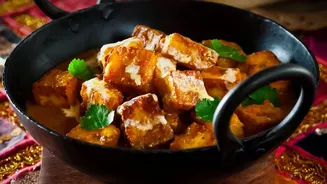
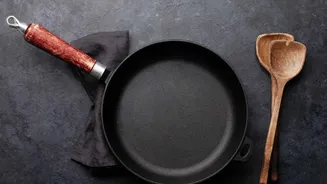
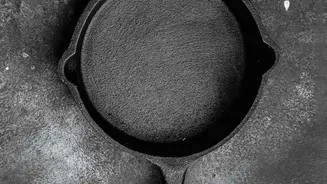
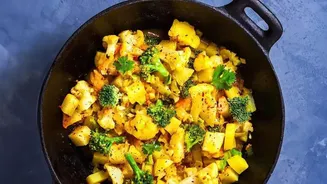
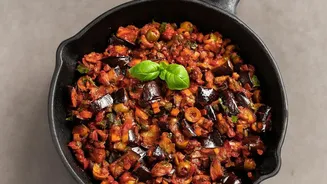
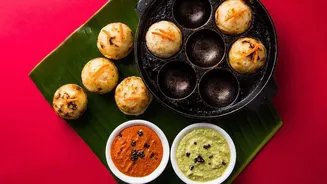
For many, the sight and feel of a cast-iron vessel evokes powerful memories. It’s the sound of a perfectly crisp dosa peeling off a seasoned tawa, or the deep, rich aroma of a curry slow-cooked for hours in a heavy kadai. This connection to family heritage
and the promise of authentic flavour is undeniably a part of cast iron's charm. For generations, these sturdy pans were the backbone of the Indian kitchen, passed down as heirlooms. It’s easy to see this resurgence as a simple wave of nostalgia, a desire to reconnect with a simpler, more traditional way of life and cooking. But that only tells half the story.
An Escape from Chemical Convenience
A significant driver of this comeback is a growing awareness around health and wellness. In recent years, home cooks have become increasingly wary of the synthetic coatings on modern non-stick pans, which can degrade at high temperatures and potentially release harmful chemicals. Cast iron, made from pure iron ore, offers a chemical-free alternative that puts health-conscious minds at ease. While the idea that it significantly boosts your iron intake is debated, the primary health benefit is avoidance—steering clear of the PFOA and PTFE chemicals historically associated with some non-stick coatings. This move is not about rejecting modernity, but about making a more informed, safer choice for daily cooking.
It’s All About the Technique
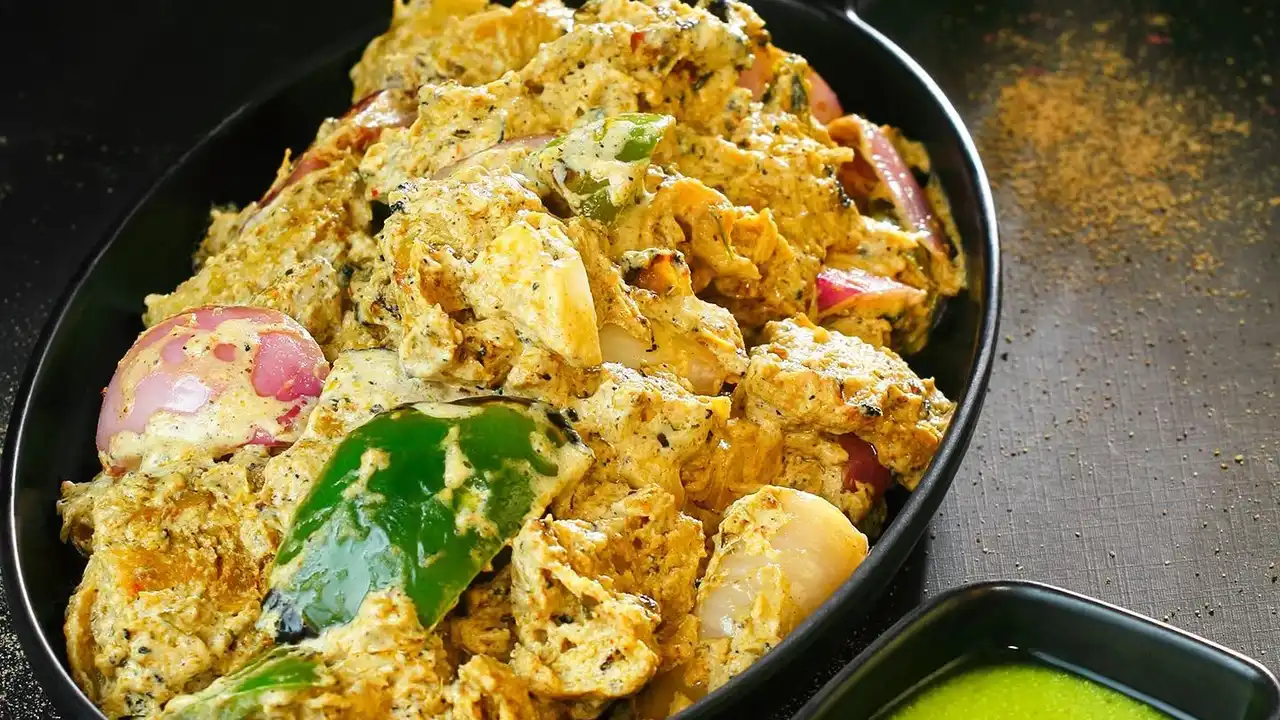
This is where the argument pivots from nostalgia to pure performance. Modern Indian cooks, exposed to global culinary trends and techniques, are discovering what chefs have long known: cast iron is a superior tool for heat control. Its ability to get incredibly hot and, more importantly, retain that heat evenly is unparalleled. This is crucial for techniques that are now popular in contemporary Indian kitchens. Think about achieving that perfect, high-heat sear on paneer tikka or chicken, getting a restaurant-quality charred flavour without a tandoor. It's about creating a flawless, crispy crust on everything from aloo tikkis to baked goods. This isn’t just about recreating old recipes; it’s about executing modern ones with precision.
The New Wave of Indian Brands
Further proof that this is a modern movement is the rise of new-age Indian cookware brands. Companies like The Indus Valley, Rock Tawa, and Meyer are designing cast-iron products for today's user. They offer pre-seasoned pans that eliminate the time-consuming initial preparation our ancestors had to endure. They are also expanding the range of available shapes beyond the traditional kadai and tawa to include skillets, grill pans, and Dutch ovens, catering to a wider variety of cooking styles, from baking bread to grilling vegetables. This commercial boom shows a clear market demand from consumers who are not just unearthing old heirlooms but are actively investing in new, improved cast-iron pieces that fit their modern kitchens and lifestyles, compatible with everything from gas stoves to induction cooktops.