
A Flare in the Wrong Place
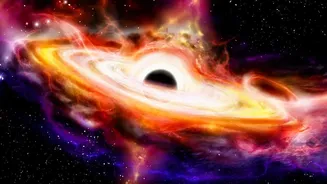
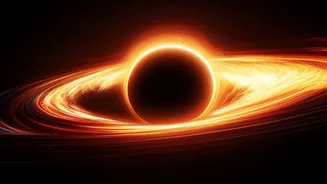
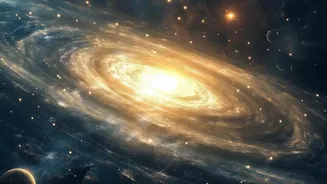
Most large galaxies, including our own Milky Way, have a supermassive black hole anchored at their core, a gravitational titan millions or billions of times the mass of our sun. When a star strays too close to one of these giants, the black hole's immense
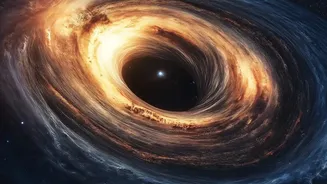
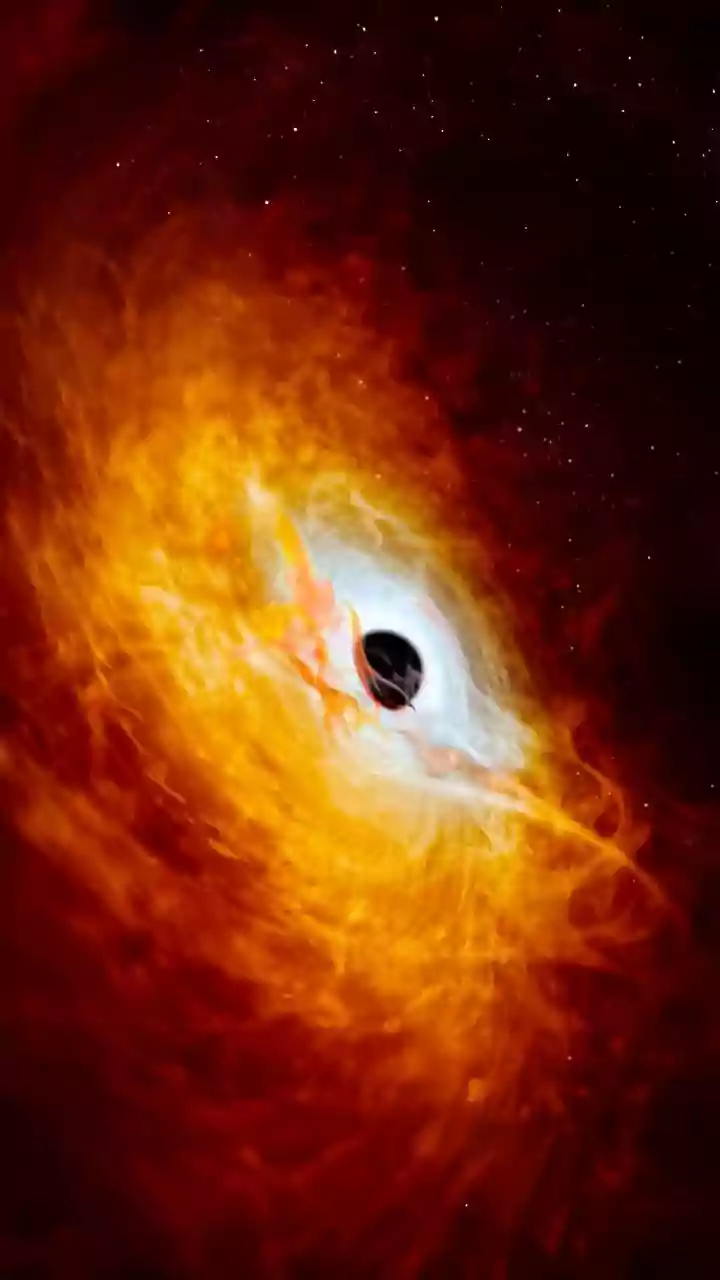
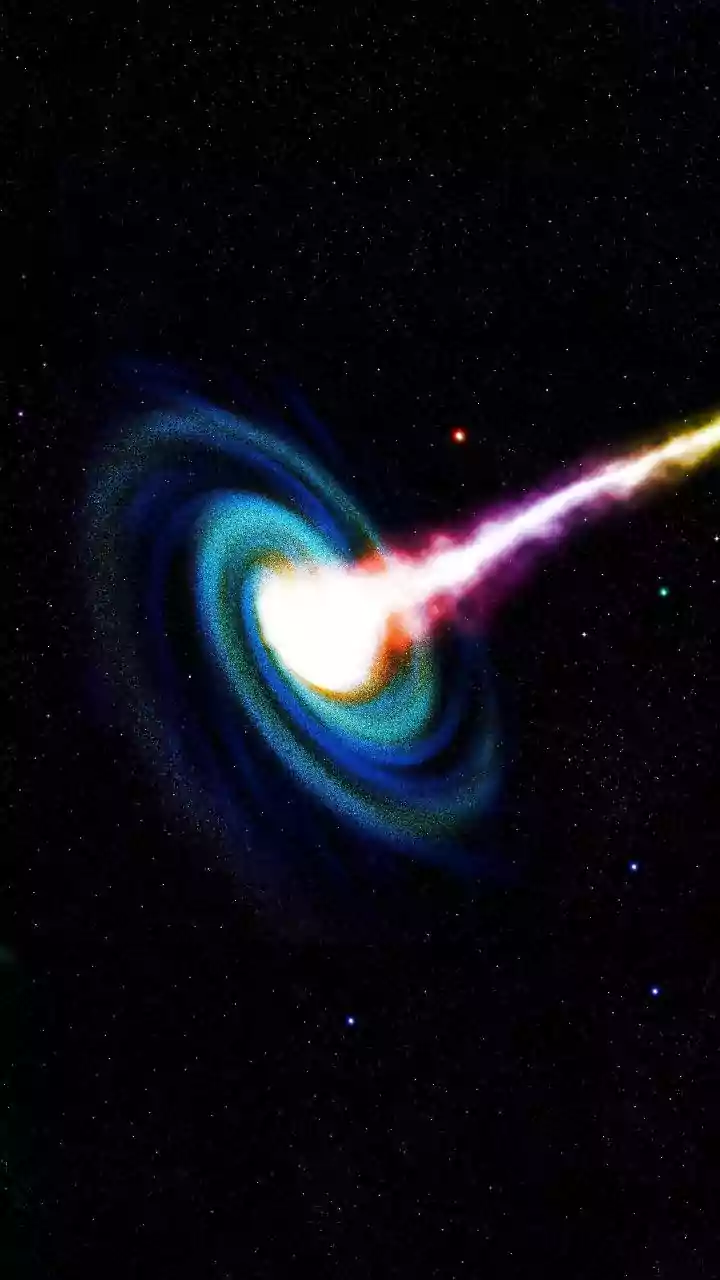
gravity rips it apart in a cataclysm called a Tidal Disruption Event (TDE). This process releases an enormous flare of energy, briefly outshining entire galaxies. For years, nearly all observed TDEs occurred exactly where expected: at the bright, dense center of a galaxy. But recently, NASA's Neil Gehrels Swift Observatory and other telescopes spotted something strange: a brilliant TDE far out in the galactic suburbs, tens of thousands of light-years from the core. This discovery immediately posed a cosmic puzzle. If the flare came from a black hole shredding a star, what was a massive black hole doing so far from home?
The Cosmic Vagabond Theory
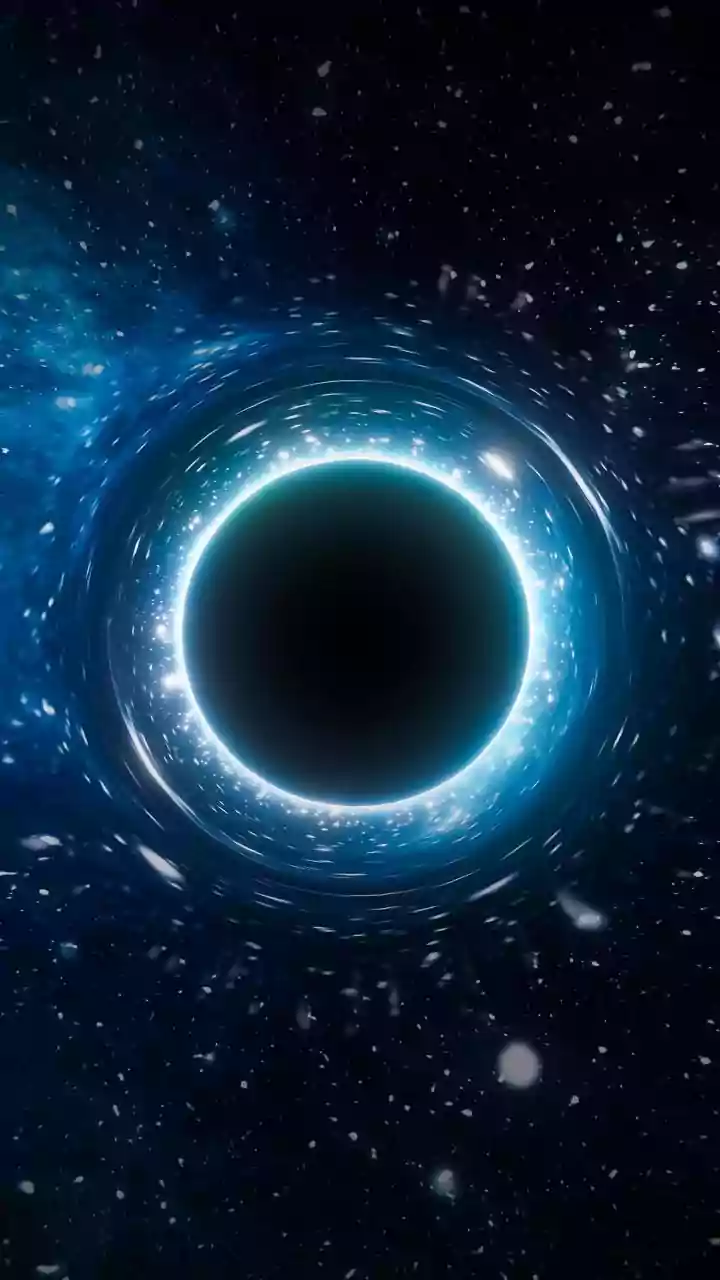
The prime suspect was a “wandering” black hole. Astronomers have long predicted their existence, theorizing they are a natural consequence of how galaxies grow. When two galaxies collide and merge, their central supermassive black holes will eventually spiral toward the new center and combine. However, the process is messy. Sometimes, a smaller galaxy's black hole can be thrown into a wide, eccentric orbit within the larger galaxy, becoming a cosmic vagrant. These wanderers are almost impossible to find. They are, by definition, black holes, emitting no light of their own. For decades, they remained purely theoretical, invisible ghosts drifting through the galactic halo. The only way to spot one is if it reveals itself, and a TDE is the perfect, albeit violent, announcement of its presence.
Swift's Crucial Evidence
This is where NASA's Swift Observatory played a pivotal role. Originally designed to hunt for gamma-ray bursts, Swift's ability to rapidly turn and observe fleeting events in both X-ray and ultraviolet light makes it an ideal TDE detective. When an off-center flare is detected by ground-based surveys, Swift can provide the multi-wavelength follow-up needed to confirm its nature. The intense heat and energy released during a TDE produce a unique light signature, particularly in the ultraviolet and X-ray spectrum. By analyzing this light, astronomers can rule out other possibilities, like a supernova, and confirm that the event's characteristics are consistent with a star being torn apart by a black hole. Swift's observations helped provide the smoking-gun evidence that these far-flung flares were indeed TDEs, giving credence to the wandering black hole hypothesis.
A New Census of the Cosmos
Confirming the existence of wandering black holes does more than just solve a cosmic whodunit. It reshapes our understanding of galaxy evolution. The number, location, and mass of these wanderers provide a fossil record of a galaxy’s merger history. Each one is a remnant of a smaller galaxy that was consumed long ago. Finding them helps astronomers test and refine models of how large structures in the universe are built over billions of years. This off-center discovery, backed by the crucial data from observatories like Swift, has effectively validated a new method for finding these hidden giants. Astronomers can now actively search for TDEs in the outskirts of galaxies, not just at their centers, to build a census of this previously invisible population.