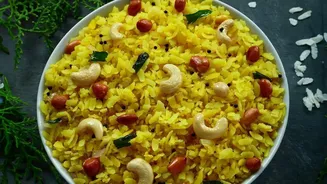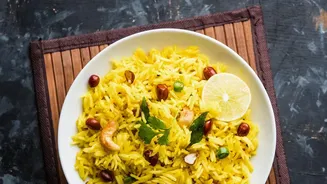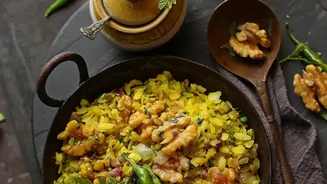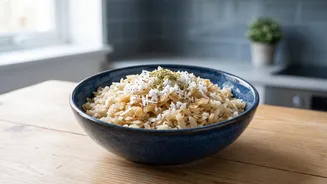


A Different Kind of Poha
While its savoury cousin from Maharashtra is a national favourite, sweet poha offers a completely different experience. Known by various names across India, such as Vella Aval in Tamil Nadu or God Poha, this version swaps the usual spices for a trio of traditional
sweeteners: jaggery, coconut, and cardamom. It’s a dish that feels both indulgent and wholesome, transforming flattened rice (aval or poha) into a soft, fragrant meal that can be ready in minutes. The preparation is incredibly simple, often requiring no cooking beyond melting the jaggery.
The Core Flavours: Jaggery, Coconut, and Cardamom
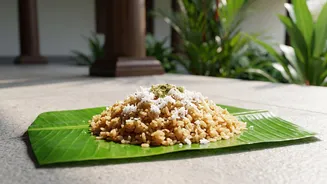
The magic of sweet poha lies in its three core ingredients. Jaggery, or 'gur', provides a deep, earthy sweetness that is less intense than refined sugar and carries a host of minerals like iron and potassium. Freshly grated coconut adds a rich texture, moisture, and a subtle, creamy flavour that pairs perfectly with the jaggery. Finally, a pinch of powdered cardamom lends its signature warm, floral aroma, elevating the dish from a simple sweet snack to a truly aromatic experience. Some variations also include a touch of ghee for richness or edible camphor for a divine, temple-like fragrance.
A Breakfast in Under 15 Minutes
One of the greatest appeals of sweet poha is its speed. The process is straightforward and ideal for busy mornings. It begins with rinsing the poha to soften it. Depending on the thickness of the rice flakes, this can take anywhere from a minute to ten. While the poha softens, a simple syrup is made by melting jaggery with a small amount of water. This warm, liquid sweetness is then poured over the softened poha, and the mixture is gently combined with the grated coconut and cardamom. The poha absorbs the jaggery syrup, becoming plump, moist, and flavourful without getting mushy.
More Than Just a Morning Meal
Although it makes for a fantastic quick breakfast, sweet poha's versatility extends beyond the morning rush. It’s a popular evening snack for children and adults alike, satisfying sweet cravings in a relatively healthy manner. Furthermore, due to its simple ingredients and cultural significance, sweet poha is often prepared as a 'prasad' or 'neivedyam'—a religious offering during festivals like Krishna Janmashtami. Its association with Lord Krishna, who is believed to have favoured flattened rice, makes it a staple offering in many households during prayer ceremonies.
Easy to Customise
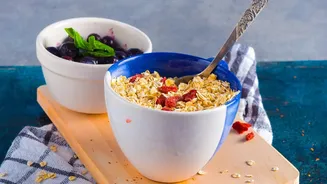
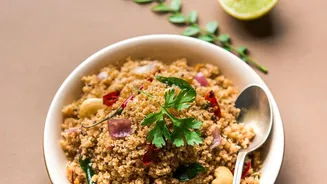
While the base recipe is perfect as is, it's also wonderfully adaptable. For added crunch and nutrition, many people toast cashews, almonds, or sesame seeds in a little ghee and mix them in. Raisins can provide small bursts of sweetness and a chewy texture. Some recipes even incorporate mashed banana for extra creaminess and natural sweetness, reducing the need for as much jaggery. These simple additions allow you to tailor the dish to your preference, making it a new experience each time you prepare it.