





Start Small with Accent Pieces
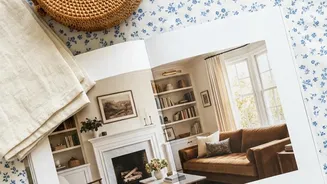
The easiest way to introduce vintage patterns is through small, low-commitment items. Think decorative cushions, throw blankets, or table runners. These accents can instantly liven up a neutral sofa or add character to a bedroom without overwhelming the
space. Look for hand-block prints like Ajrakh or Kalamkari on cotton or silk. A few well-placed pillows with complementary patterns can create a cosy, layered look, while a patterned throw draped over an armchair adds a final touch of comfort. This approach allows you to experiment with colours and motifs before committing to larger, more expensive pieces.
Master the Art of Pattern Mixing
Mixing patterns can feel intimidating, but a few simple rules make it easy. First, stick to a unified colour palette. Choose two or three core colours and ensure each pattern contains at least one of them. This creates a sense of cohesion even if the styles are different. Second, vary the scale of your prints. Pair a large, bold floral with a smaller geometric or a simple stripe. As a general rule, limit yourself to three or four patterns in a single room to avoid visual chaos. Let one large 'hero' pattern dominate, like on a rug or curtains, and use smaller patterns for supporting accents.
Create a Statement with a Single 'Hero' Piece
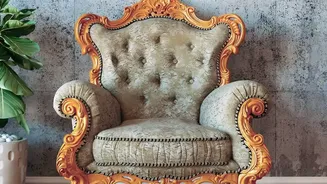
For a bolder approach, choose one significant item to showcase a beautiful heritage textile. This could be a large tapestry hung as wall art, a set of floor-to-ceiling curtains, or an upholstered accent chair. A single, powerful piece can act as the focal point of the room, telling a story and adding softness and depth. For example, a vintage Suzani bedspread can transform a bedroom, while a bench upholstered in a vibrant Ikat fabric can turn a simple entryway into a highlight. By making one textile the star, you allow its craftsmanship to shine without competing with other elements.
Balance is Key: Pair Old with New
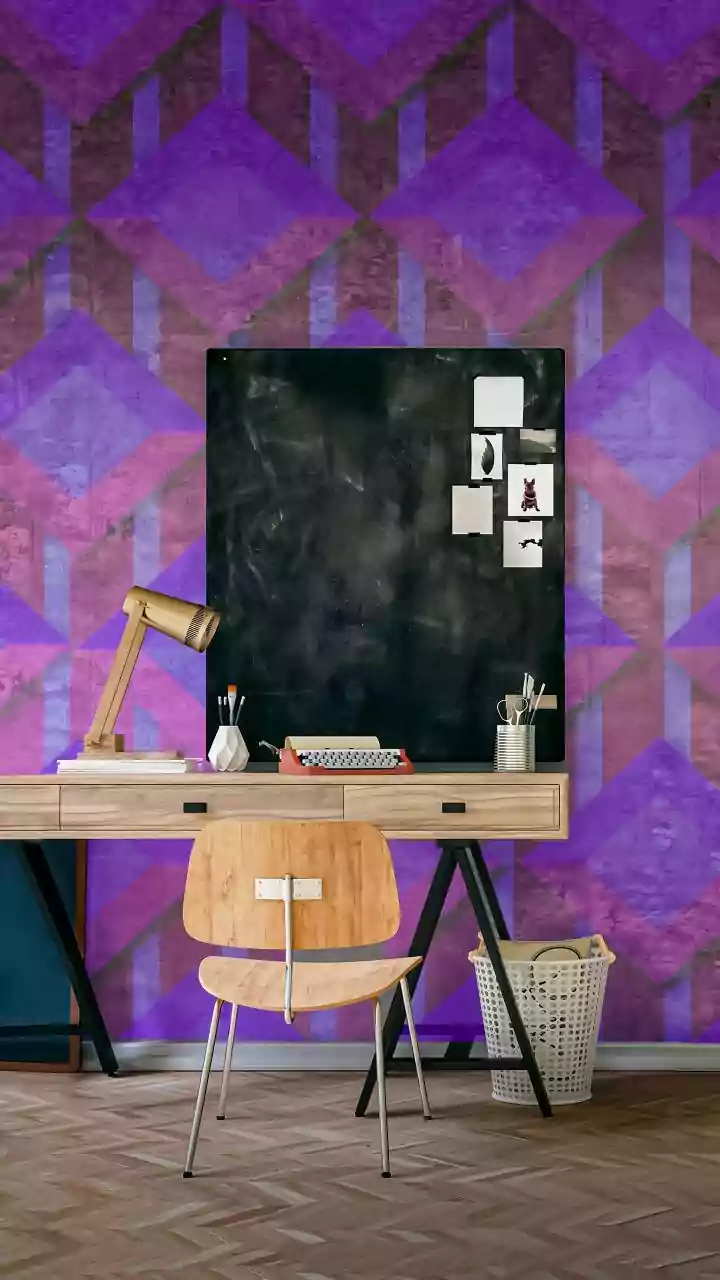
The secret to making heritage decor feel fresh and not like a museum is balance. Pair intricate, traditional textiles with modern, clean-lined furniture. A richly patterned rug works beautifully under a simple, contemporary sofa, creating a dynamic contrast that allows both elements to stand out. Use a neutral base for walls and large furniture pieces—like shades of white, grey, or beige—to serve as a quiet canvas for your vibrant textiles. This approach, often called transitional design, feels intentional and timeless, blending the character of the old with the simplicity of the new.
Know Your Textiles: A Brief Guide
Understanding the story behind the fabric adds another layer of appreciation. Many of India's famed textiles are perfect for home decor. Ajrakh, from Gujarat and Rajasthan, is known for its deep indigo and red geometric patterns created through a complex resist-printing process. Kalamkari, from Andhra Pradesh, features hand-painted or block-printed mythological and natural motifs. Ikat is a unique weave where the yarns are dyed before weaving, resulting in its characteristic blurred geometric designs. These are not just fabrics; they are living crafts that bring authentic artistry into your home.
Beyond the Living Room: Creative Applications
Don't limit these beautiful fabrics to just cushions and throws. Get creative with their application. Use smaller fabric remnants to create unique lampshades or frame them as a gallery wall of textile art. In the dining room, an Indian hand-block printed tablecloth or a set of patterned placemats can elevate everyday meals. Even a simple cafe curtain made from a vintage floral fabric can add charm and softness to a kitchen. Reupholstering a small footstool or an old chair with a durable heritage fabric can breathe new life into a forgotten piece of furniture, turning it into a functional work of art.