





What 'Low-Impact' Really Means
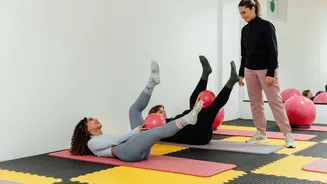
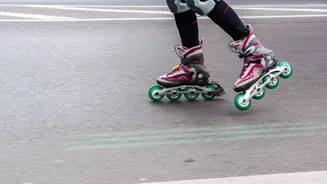
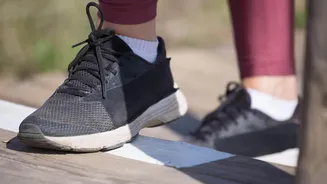
First, let's clarify what 'low-impact' exercise entails. Unlike high-impact activities like running or jumping where both feet may leave the ground simultaneously, low-impact workouts ensure that one foot remains on the ground at all times. This simple
difference dramatically reduces the stress and jarring force on your joints, particularly the knees, hips, and ankles. This approach is ideal for people with joint pain, those recovering from injury, or anyone looking for a sustainable fitness routine that protects the body long-term. The goal is to build strength and endurance without the repetitive pounding that can lead to strain or injury.
Enter Tai Chi: Meditation in Motion
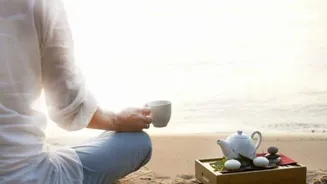
Tai Chi, often described as “meditation in motion,” is an ancient Chinese martial art that combines slow, deliberate, and graceful movements with deep breathing and mental focus. It is the epitome of low-impact exercise. The movements are fluid and circular, with relaxed muscles and joints that are never fully extended or bent to an extreme. This makes it an accessible practice for people of all ages and fitness levels, from the very fit to individuals who may need to practice while seated. Its gentle nature is a core reason why so many people can stick with it, reaping benefits consistently over time.
The Science of Better Balance
So, how do these slow, low-impact movements translate into superior balance? The magic lies in a concept called proprioception—your body's ability to sense its position in space. Tai Chi's constant, controlled weight shifting trains the sensory receptors in your muscles and ligaments, sharpening this internal sense. This heightened body awareness allows you to make subtle adjustments to maintain stability and prevent a stumble from turning into a fall. Furthermore, the practice specifically strengthens the muscles in the lower body and core, which are essential for postural control. Studies have shown that regular Tai Chi practice can significantly improve both static balance (staying steady while still) and dynamic balance (maintaining stability while moving), cutting fall risk in older adults.
Gentle on Joints, Strong for the Body
The low-impact quality of Tai Chi is not just about preventing injury; it's about promoting joint health. The gentle movements help circulate synovial fluid, which lubricates the joints, while strengthening the supporting muscles around them without causing wear and tear. For those with arthritis or stiffness, this can mean reduced pain and increased mobility. But don't let the term 'gentle' fool you. While it's kind to your joints, Tai Chi is a formidable tool for building functional strength, improving flexibility, and enhancing coordination between your upper and lower body. This holistic strengthening contributes directly to the confidence and physical ability needed for steady movement in daily life.
More Than Just Physical Stability
Beyond the physical mechanics, the low-impact and mindful nature of Tai Chi also works to reduce a major contributor to falls: fear. The fear of falling can cause people, especially seniors, to become less active, which ironically weakens the very muscles needed for balance. By building confidence through slow, manageable movements, Tai Chi helps break this cycle. The meditative aspect also helps reduce stress and anxiety, promoting a sense of calm and focus that carries over into everyday activities. This mind-body connection is a key part of why the practice is so effective for overall well-being, not just fall prevention.