





The Orange Powerhouse
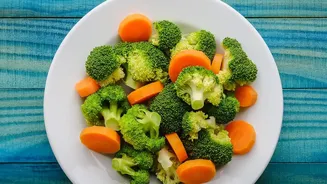
Carrots get their bright orange colour from a pigment called beta-carotene. In fact, the term 'carotene' is derived from the Latin word for carrot. This compound is a provitamin, meaning our bodies convert it into Vitamin A, a crucial nutrient for vision,
immune function, and maintaining healthy organs like the heart and lungs. While many orange and yellow foods contain beta-carotene, carrots are one of the most famous and potent sources. On a gram-for-gram basis, carrots contain significantly more Vitamin A activity than spinach. This is not just because they contain a lot of beta-carotene, but also because of how our body accesses it.
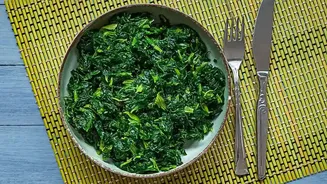
Spinach’s Green Credentials
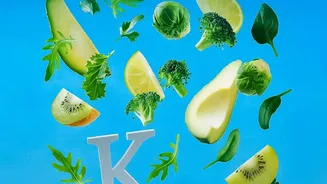
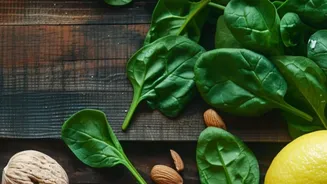
Spinach, on the other hand, is a nutritional powerhouse in its own right, even if its beta-carotene is masked by green chlorophyll. While it contains less beta-carotene than carrots, it is packed with other essential nutrients. Spinach is an excellent source of Vitamin K, which is vital for blood clotting and bone health, and contains dramatically more of it than carrots. It's also rich in iron, calcium, folate, and Vitamin C. So, while a cup of carrots might give you a bigger direct boost of potential Vitamin A, a cup of spinach delivers a wider array of other important minerals and vitamins. For instance, spinach offers about eight times more iron and three times more calcium than carrots per serving.
The Absorption Question
Here's where the comparison gets interesting. The total amount of a nutrient listed on a label doesn't always tell the whole story. What truly matters is bioavailability — how much of that nutrient your body can actually absorb and use. Beta-carotene is locked within the tough, fibrous cell walls of raw vegetables. Studies have shown that the beta-carotene from carrots is significantly more bioavailable than from spinach. One study found that the conversion of beta-carotene to retinol (the active form of Vitamin A) was more efficient from carrots than from spinach. This is due to the different ways the carotenoids are stored within the plant's cellular structure, often called the 'food matrix'.
How to Boost Bioavailability
Fortunately, you can easily increase how much beta-carotene you get from both vegetables. Since beta-carotene is fat-soluble, you must consume it with some fat to absorb it properly. Adding even a small amount of oil—as little as 3-5 grams—to your vegetables can dramatically increase absorption. Cooking also plays a huge role. Heat helps break down those tough cell walls, releasing the carotenoids. Studies show that cooked carrots and spinach deliver significantly more usable beta-carotene than their raw counterparts. Chopping or pureeing vegetables also helps, which is why a carrot soup might offer more accessible beta-carotene than a whole raw carrot.
The Verdict: A Varied Plate is Best
So, which is better? If your primary goal is to maximise your intake of usable Vitamin A from a plant source, cooked carrots eaten with a little fat are the clear winner. Their specific food matrix makes their beta-carotene more readily available for your body to convert. However, this doesn't mean you should push spinach off your plate. Spinach triumphs in providing higher levels of iron, calcium, Vitamin K, and folate. Choosing one over the other would mean missing out on the unique benefits of each. Carrots provide a more efficient path to Vitamin A, while spinach offers a broader mineral profile.