





Prioritise Proper Drainage
The single most important defence against heavy rain is excellent drainage. When water has nowhere to go, it saturates the soil, depriving roots of the oxygen they need to survive. This leads to root rot, a common and often fatal condition for potted
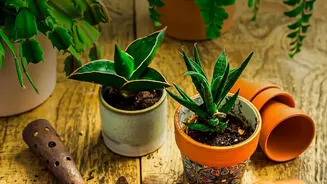
plants. Before the rainy season begins, ensure every pot has at least one, if not several, drainage holes at the bottom. If your favourite decorative pot lacks holes, you have two options: either carefully drill some yourself or use it as a cachepot (a decorative outer pot) by placing a smaller, functional pot with drainage holes inside it. Regularly check to make sure these holes haven't become clogged with compacted soil.
Elevate Your Pots
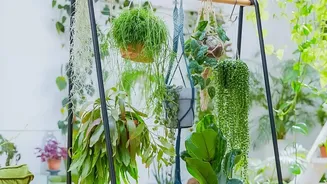
Even with drainage holes, pots sitting directly on the balcony floor can struggle to drain efficiently if water pools around their base. A simple but highly effective solution is to elevate your planters. Placing pots on 'feet', bricks, or dedicated plant stands allows air to circulate underneath and ensures that excess water can escape freely. This prevents the pot from sitting in a puddle and keeps the soil from becoming overly saturated, a crucial step in preventing root rot during prolonged wet periods.
Choose the Right Soil Mix
The type of soil you use plays a significant role in preventing waterlogging. Heavy, dense soils retain too much moisture, which is a major problem during rainy spells. Instead, opt for a light, well-draining potting mix. Good quality mixes often contain components like perlite, sand, or coco peat, which help create air pockets and allow water to pass through more easily. If your current soil feels heavy and compacted, consider repotting your plants into a better-draining medium before the wet weather sets in. Amending the soil with organic compost can also improve its structure and drainage.
Adjust Your Watering Schedule
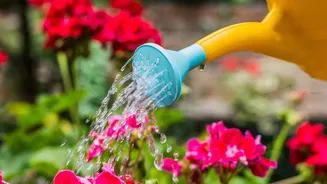
It seems obvious, but it's a common mistake: plants don't need to be watered when it's already raining. Always check the soil moisture before reaching for the watering can. A good rule of thumb is to stick your finger about two inches into the soil; if it feels moist, hold off on watering. After a heavy downpour, your plants may not need any additional water for several days. Let the soil dry out slightly between waterings to prevent the roots from becoming waterlogged.
Provide Shelter and Support
Sudden weather changes often bring strong winds along with heavy rain, which can damage delicate stems and leaves. If possible, move more sensitive or smaller plants to a sheltered part of your balcony, such as against a wall or under an overhang, before a storm hits. For larger plants that can't be moved, you can use stakes or trellises to provide support and prevent them from breaking. In cases of extreme weather, a temporary, transparent rain cover can shield delicate plants from the worst of the downpour.
Post-Rain Recovery and Care
After the storm has passed, it’s time for a quick health check. Gently remove any broken branches or damaged leaves to prevent decay and disease. Empty any saucers or trays that have collected water to stop the plants from sitting in it. Keep an eye out for signs of overwatering, which can paradoxically include wilting leaves (because the roots are suffocating and can't absorb water), yellowing lower leaves, and mushy stems. If you notice a musty or foul smell from the soil, that's a strong indicator of root rot. In such cases, you may need to gently repot the plant into fresh, dry soil, trimming away any brown, mushy roots in the process.