







The Potency Behind the Scent
Essential oils are not gentle, fragrant waters; they are highly concentrated plant compounds. It can take hundreds or even thousands of pounds of plant material to produce a single bottle of essential oil. This concentration is what gives them their powerful
therapeutic properties, but it's also what makes them a risk when used improperly. Applying them directly, or “neat,” to the skin is one of the most common mistakes users make and can lead to significant issues. The natural origin of an oil does not automatically make it safe for undiluted use.
Risks of Undiluted Application
Applying essential oils directly to your skin can cause several adverse reactions. The most immediate is irritant contact dermatitis, which can appear as redness, burning, or itching where the oil was applied. Some oils, like those from citrus fruits, are phototoxic, meaning they can cause severe burns or skin discoloration if the skin is exposed to UV light after application. Perhaps the most serious risk is sensitization, which is an allergic immune response. After one or more undiluted applications, your body may flag the oil as a threat. Once you are sensitized to an oil, you may have an allergic reaction every time you are exposed to it, even at very low dilutions, and the reaction can spread beyond the initial application site.
The Role of a Carrier Oil
A carrier oil is a plant-based oil, often derived from nuts, seeds, or kernels, that is used to dilute essential oils for safe topical use. You may also hear them called base or fixed oils. Unlike essential oils, they do not evaporate quickly and have a mild or neutral scent. Their main job is to “carry” the potent essential oil onto the skin in a way that is both safe and effective. Using a carrier oil does not reduce the effectiveness of the essential oil; in fact, it enhances it. It slows evaporation, allows for more even coverage over a larger area, and aids in the absorption of the essential oil's beneficial compounds through the skin.
Simple Guide to Safe Dilution
Proper dilution is simple once you know the basic ratios. For general, everyday use on an adult's body, a 2% dilution is considered a safe and effective starting point. This translates to about 12 drops of essential oil per 30 ml (or one ounce) of carrier oil. A simpler measurement to remember is about 2 drops of essential oil per teaspoon of carrier oil. For applications on the face or for those with sensitive skin, a lower 1% dilution (about 6 drops per ounce of carrier) is recommended. For children, the elderly, or pregnant individuals, dilution should be even lower, typically 1% or less. It's crucial to remember that water does not work as a diluent; oil and water don't mix, and this can lead to droplets of concentrated essential oil sitting directly on the skin.
Choosing the Right Carrier Oil
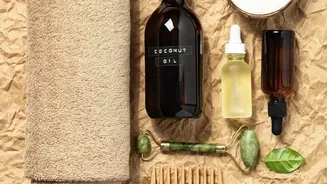
Different carrier oils offer their own unique benefits and textures. Jojoba oil is a popular choice because its structure closely mimics the skin's natural sebum, making it great for all skin types, including oily and acne-prone skin. Sweet almond oil is a versatile, mid-weight oil that is excellent for general body and massage use, known for its skin-softening properties. For a lighter feel, grapeseed oil absorbs quickly without leaving a greasy residue. For dry or mature skin, richer oils like avocado or argan can provide intense moisture and nourishment. Fractionated coconut oil is another common choice because it is lightweight, non-greasy, and has a very long shelf life.