

More Than Just a Meal
The wedding menu has officially evolved from simple sustenance to a form of edible storytelling. Modern couples are increasingly curating dining experiences that reflect their personalities, memories, and cultural backgrounds. This shift is driven by
a desire for hyper-personalisation, where every detail of the wedding feels authentic to the couple. Food, being a universal language of love and community, has become one of the most powerful tools for this. It’s no longer just about feeding guests; it’s about inviting them to share in the journey, creating a meal that is as memorable as the vows. This trend turns the caterer into a collaborator, helping to translate a relationship's key moments into a cohesive and delicious narrative.
A Taste of Your Personal History
The most compelling culinary stories often begin with personal milestones. Many couples are designing courses inspired by their relationship's pivotal moments. This could mean serving miniature versions of the tacos from their first date, recreating the pasta dish they ate the night of their engagement, or featuring a dessert based on a shared favourite treat. Travel also provides a rich palette of flavours. A couple who bonded over a trip to Thailand might feature a Pan-Asian street food station, while another might serve Mediterranean mezze platters that evoke a memorable holiday. These dishes act as edible souvenirs, allowing guests a taste of the experiences that shaped the couple's bond.
Honouring Roots and Blending Cultures
For many, weddings are a union of families and heritage, and the menu is a perfect place to celebrate this fusion. Couples are increasingly looking to their roots for inspiration, incorporating cherished family recipes or hyper-regional Indian dishes that evoke a sense of nostalgia and home. In multicultural weddings, food becomes a bridge between two worlds. A menu might feature a dish from each partner's background, creating a harmonious blend of traditions on one plate. This can range from thoughtful fusions, like tandoori lasagna bites or filter-coffee tiramisu, to distinct stations that celebrate different cuisines, such as a 'Jaipur Chaat Bazaar' alongside an Italian pasta bar. It’s a way to honour both families and introduce guests to the flavours that define the couple's combined identity.
Interactive and Immersive Experiences
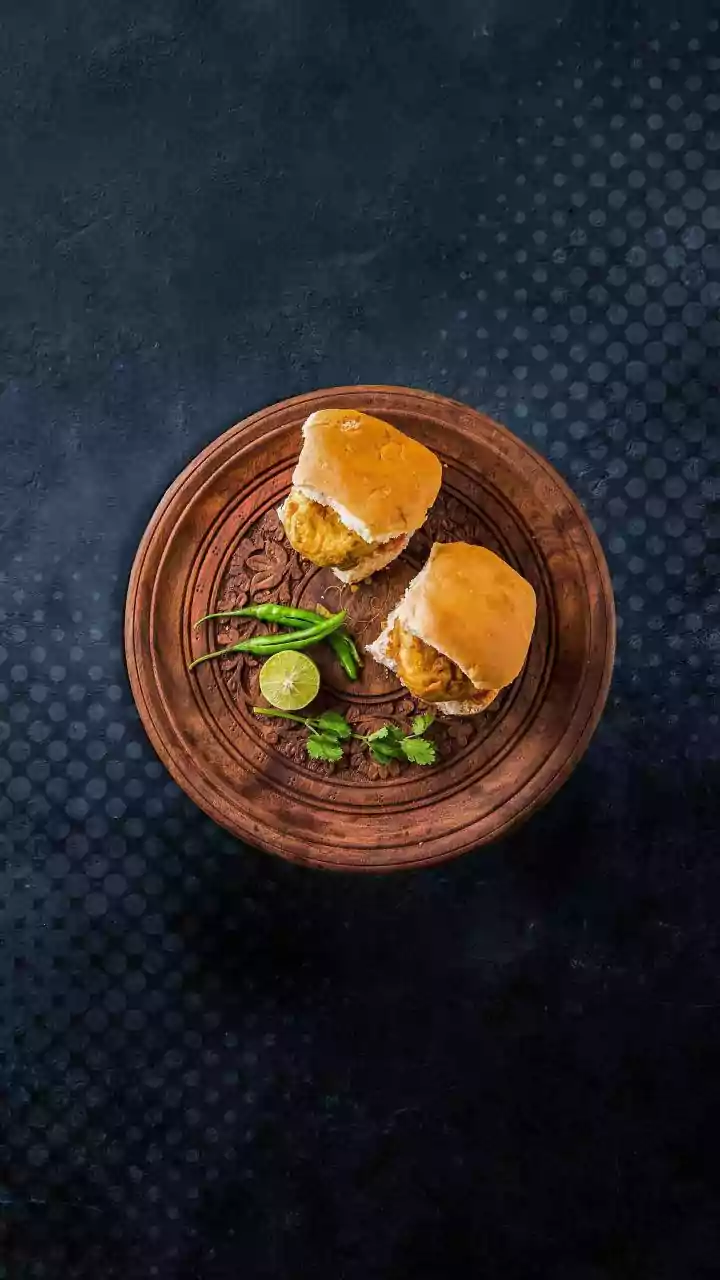
Storytelling through food is also becoming more theatrical and interactive. Static buffets are being replaced by dynamic food stations that engage guests and create a lively atmosphere. Think 'build-your-own' bars for poke bowls or tacos, or live counters where chefs prepare dishes like hand-rolled sushi or flame-finished desserts to order. These stations turn dining into a social activity and a form of entertainment. Even the menu card itself is part of the narrative, designed as a booklet or 'zine' that explains the significance of certain dishes, sharing anecdotes about the couple's journey. The experience extends to late-night snacks, with food trucks serving gourmet fries or mini vada pavs to keep the party going, ensuring the story continues until the very last dance.