






What is Responsible Tourism?
For years, tourism in 'God's Own Country' was a rising tide that didn't necessarily lift all boats. As visitor numbers grew, so did the challenges: environmental strain, cultural commodification, and economic benefits that often bypassed local villagers.
In response, the state launched the Responsible Tourism (RT) Mission in 2017, formalizing a statewide strategy to make tourism more sustainable and inclusive. The core idea is simple but powerful: use tourism as a tool for the development of local communities. The model is built on what's called the 'triple bottom line'—ensuring that tourism delivers economic, social, and environmental benefits. It’s a deliberate shift from a top-down approach to one where local communities are active partners in shaping the visitor experience.
Putting People First
The heart of Kerala's RT Mission is its focus on empowering local people. This goes far beyond just providing jobs. The mission actively creates and supports micro-enterprises, from homestays run by families to souvenir units managed by local artisans. A key pillar is ensuring that tourism revenue stays within the community. Hotels are encouraged to source vegetables, fish, and other supplies directly from local farmers and fishermen, creating a robust local supply chain. This model particularly emphasizes the empowerment of women, supporting women-led enterprises and self-help groups. For travelers, this translates into more authentic experiences. Instead of a generic hotel stay, you can opt for a homestay, share an ethnic meal prepared by a local family, or take a village life experience tour guided by residents who share their world with pride—from watching toddy tappers at work to learning the art of coir weaving.
Protecting and Cherishing the Place
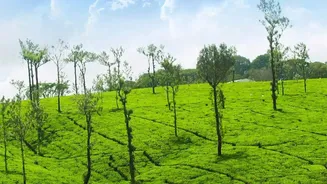
Kerala's breathtaking natural beauty is its main draw, and the RT Mission is designed to protect it. The initiative promotes a range of environmental responsibilities, from declaring plastic-free zones in popular spots like the Kumarakom bird sanctuary to organizing massive mangrove regeneration campaigns. The recent state budget for 2026-27 reinforces this with plans for a 'Green Marshals' scheme, where trained women will be deployed in major tourist hubs to promote cleanliness and responsible visitor behaviour. The model also extends to infrastructure. Instead of large, disruptive projects, the focus is on smaller, sustainable units like mud houses and cottages. New initiatives like the 'STREET' project (Sustainable, Tangible, Responsible, Experiential, Ethnic Tourism Hubs) aim to de-congest popular areas by developing theme-based streets—like a Culture Street or a Water Street—that spread tourism's footprint and benefits more widely.
Preservation of Culture and Heritage
Responsible tourism also acts as a shield for Kerala’s rich cultural heritage. By making traditional art forms, rituals, and handicrafts a central part of the tourism experience, the mission provides a new source of income and relevance for artisans and performers. This approach helps prevent local traditions from being diluted or commercialized into mere spectacles. Tourists can engage directly with these traditions through workshops and demonstrations, gaining a deeper appreciation for the culture. Initiatives like the 'Grihasthali' scheme encourage the preservation of traditional architectural homes by helping owners convert them into heritage accommodations for tourists. This not only saves sprawling, historic homesteads from ruin but also offers visitors a unique and authentic taste of Kerala's lifestyle.