


A Historic Haul from the Hidden Side
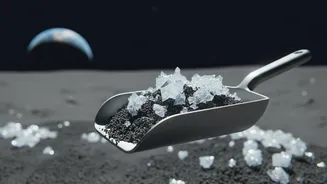
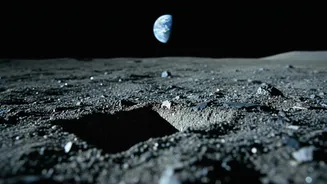
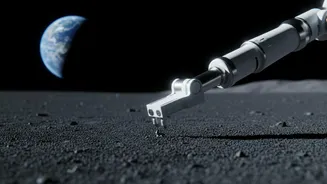
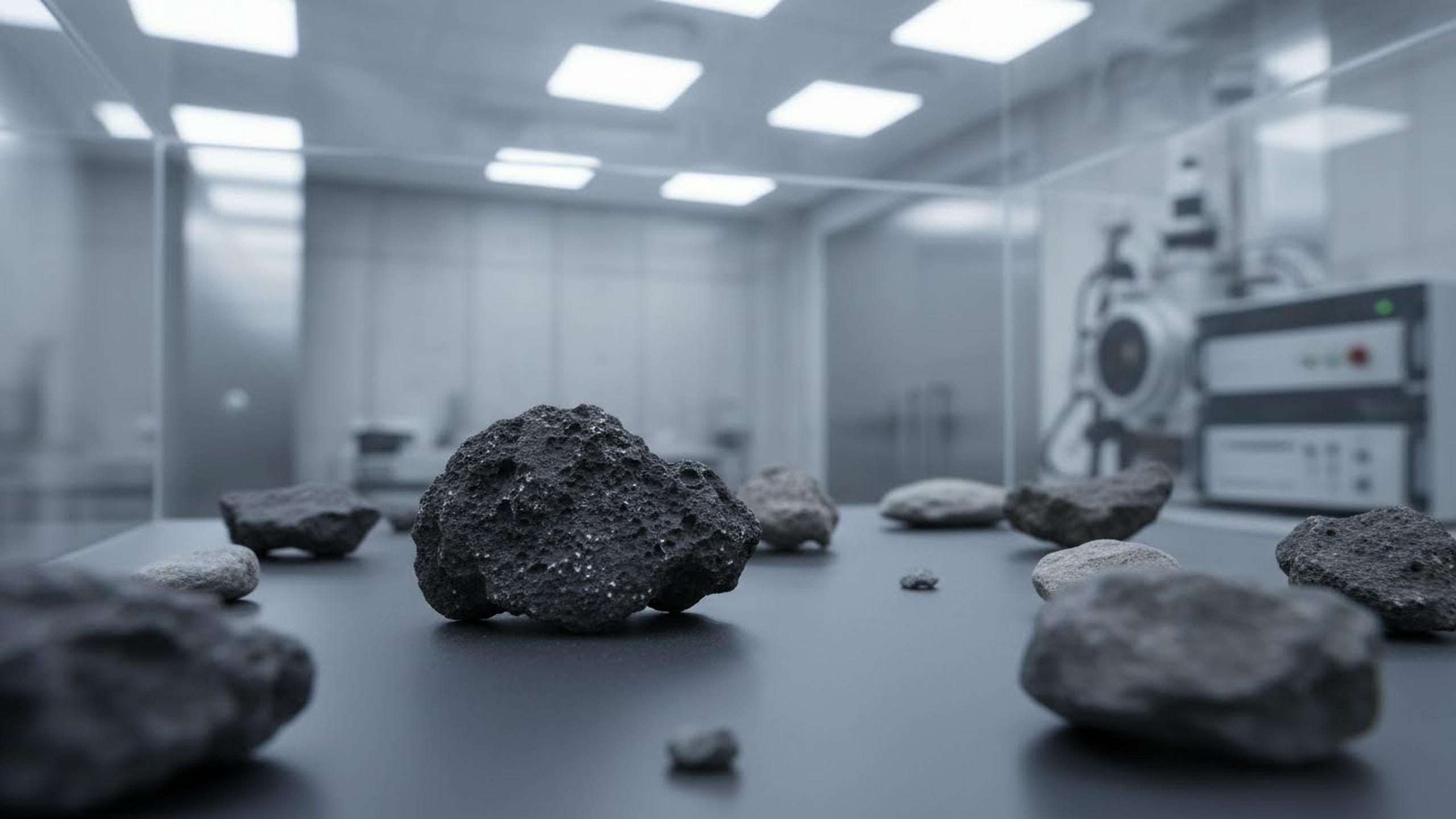
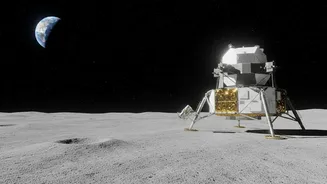
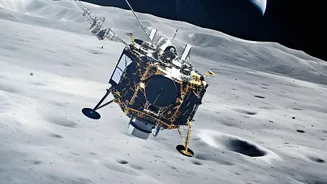
In a landmark achievement for space exploration, China's Chang'e-6 mission successfully touched down in the South Pole-Aitken (SPA) Basin, the largest and oldest impact crater on the Moon, in June 2024. More importantly, it returned to Earth with nearly
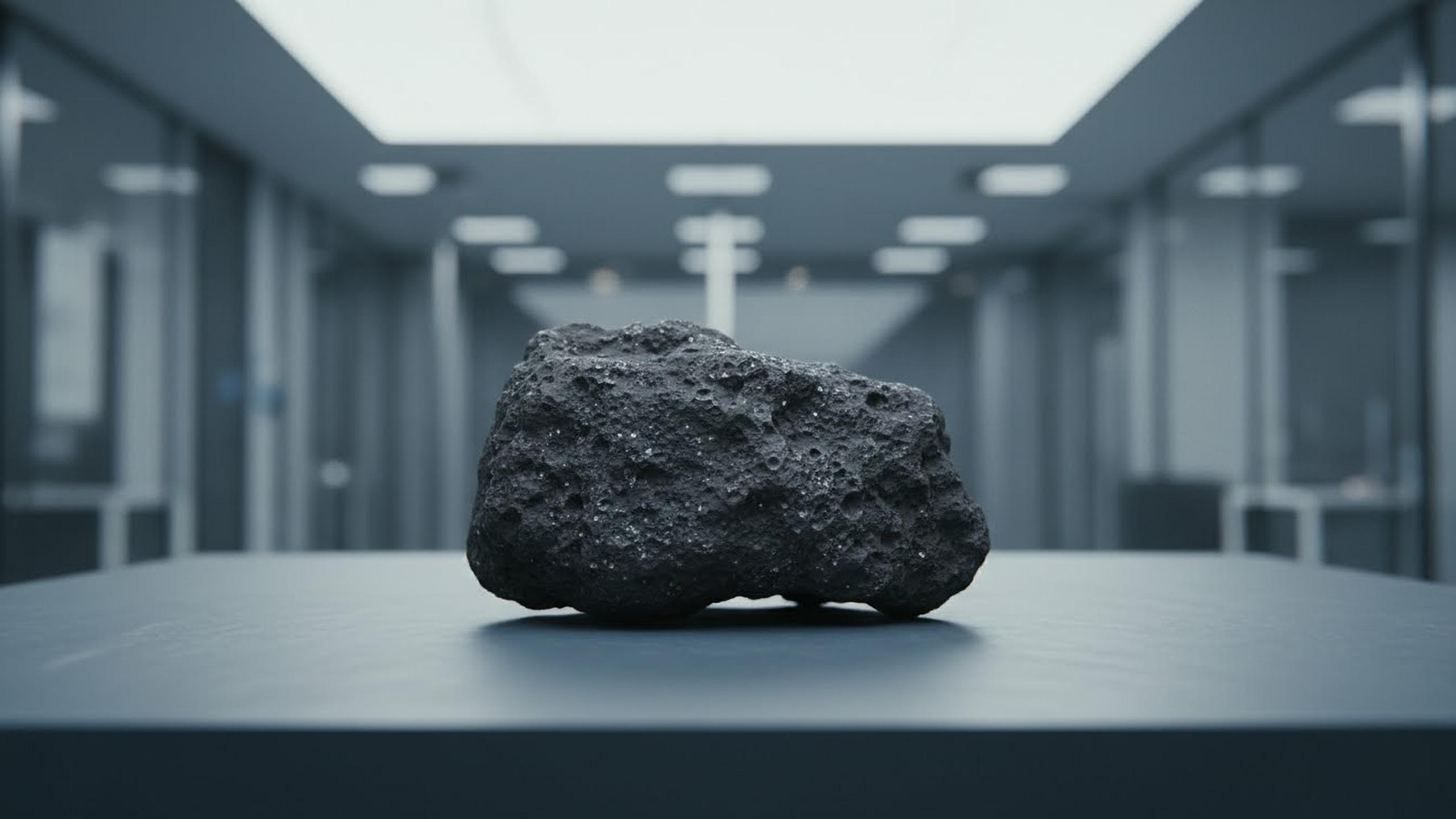
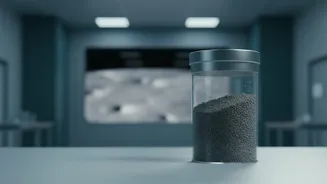
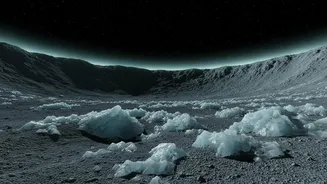
two kilograms of lunar rock and soil. This wasn't just another bag of Moon rocks; it was the first time humanity has ever collected samples from the lunar far side. For decades, scientists have puzzled over the stark asymmetry between the Moon's two hemispheres. The near side is characterized by vast, smooth, dark plains of ancient lava called 'maria', while the far side is a rugged, heavily cratered landscape. Without physical samples, the reasons for this difference were purely theoretical. The Chang'e-6 samples provide the first ground truth to test these long-held ideas.
Unlocking Time with Argon Gas
To decipher the history locked within these rocks, scientists turned to a powerful technique called Argon-Argon dating. This method acts like a precise geological clock. Many rocks contain potassium, an element that slowly decays into argon, a noble gas, over millions and billions of years. This argon gas gets trapped within the rock's crystal structure. By carefully heating a sample in the lab and measuring the ratio of different argon isotopes, scientists can calculate how long it has been since the rock solidified from magma or was melted by a major impact. This allows them to build a timeline of major events, such as ancient volcanic eruptions or cataclysmic asteroid strikes, with remarkable accuracy. It is this isotopic clock that is allowing researchers to piece together the far side's unique and violent past.
The Story Told by 28 Fragments
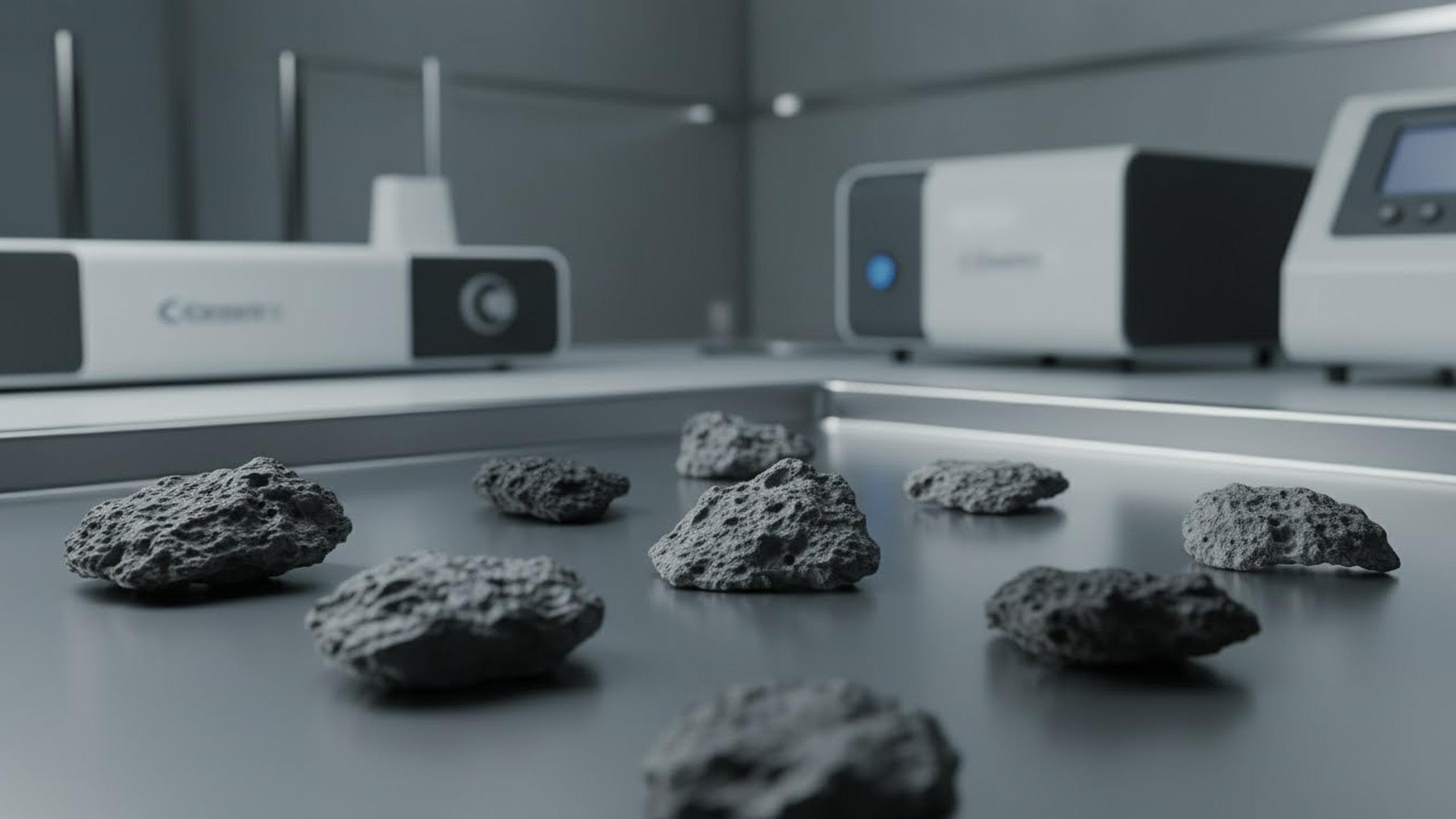
The focus of one revelatory study was a small collection of 28 rock fragments extracted from the Chang'e-6 soil. Analysis of these tiny pieces revealed a dramatic history. The Argon dating showed two distinct clusters of ages. Some basaltic, or volcanic, fragments were dated to be around 2.8 billion years old, confirming a period of volcanic activity on the far side. However, other fragments were much, much older, dating back to approximately 4.25 billion years. This more ancient date is believed to correspond to the colossal impact event that created the SPA Basin itself, an impact with energy estimated to be a trillion times greater than an atomic bomb. These fragments are direct witnesses to the single most transformative event in the far side's history, providing a physical link to the Moon's infancy.
A New Perspective on a Violent Past
The key finding that offers a 'new perspective' comes from the chemistry of these ancient rocks. High-precision analysis revealed that the samples from the far side have a different chemical signature than those from the near side. Specifically, they contain unusual ratios of potassium isotopes. Scientists believe the immense heat from the 4.25-billion-year-old SPA impact was so extreme that it literally boiled away lighter, more volatile elements from the lunar crust and upper mantle. Potassium was one of these elements. This large-scale loss of volatiles fundamentally altered the chemical composition of the mantle beneath the far side. The event didn't just carve a massive crater; it reached deep into the Moon's interior and permanently changed its geological potential.
Solving the Mystery of the Two-Faced Moon
This discovery provides the strongest explanation yet for the Moon's two-faced nature. Volcanic eruptions require a specific recipe of heat and chemical ingredients within the mantle to produce magma. By stripping the far side's mantle of key volatile elements, the SPA impact effectively suppressed its ability to generate large volumes of magma over the subsequent eons. The near side, which was not as profoundly altered by this specific impact, retained its volatiles. This allowed for extensive volcanic activity that flooded its lowlands with lava, creating the smooth maria we see today. The far side, meanwhile, was left geologically less active, preserving its ancient, crater-battered surface. The difference we see in the sky is a direct consequence of an ancient cataclysm.