





Dubbed the 'Festival of Festivals', Nagaland's Hornbill Festival is a vibrant ten-day immersion into the rich cultural tapestry of the Naga people. Here is how this unique event transforms a visit into a comprehensive cultural journey.
A Unification of Tribes
The festival, scheduled
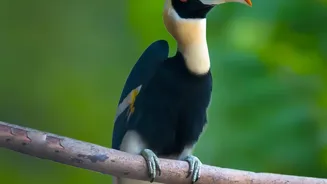
for December 1 to 10, 2026, is held at the Naga Heritage Village in Kisama, about 12 kilometres from the state capital, Kohima. Its primary purpose, since its inception in 2000, has been to unite all the major tribes of Nagaland, each with its distinct customs, attire, and traditions, in one place. This creates a rare opportunity for visitors to experience the state's immense diversity without having to travel to the far-flung regions each tribe calls home. The festival is named after the revered hornbill bird, which features prominently in Naga folklore and symbolises the warrior spirit and strength. It serves not just as a tourist attraction but as a vital platform for preserving and passing on Naga heritage to younger generations.
Daily Immersion in Living Heritage
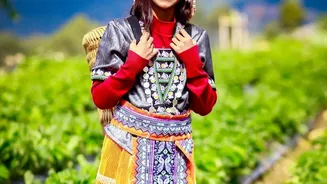
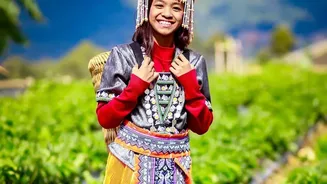
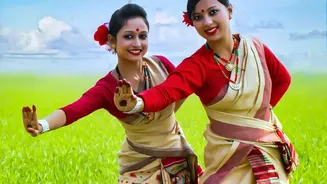
The core of the ten-day experience lies in the daily cultural showcases at the main arena. From morning until late afternoon, the grounds come alive with the sounds of log drums, warrior chants, and folk songs. Each tribe performs traditional dances in full ceremonial gear, telling stories of harvest, war, and courtship. Beyond the stage, visitors can walk through morungs—reconstructions of traditional bachelor dormitories—for each tribe. Here, you can interact with elders, watch artisans at work on intricate shawls and wood carvings, and see traditions that are still a part of daily life. This transforms the festival from a passive viewing experience into a living museum where culture is actively shared.
A Feast for the Senses
The Hornbill experience extends deeply into its culinary offerings. Inside the morungs and at various food stalls, visitors can sample the diverse and flavourful cuisine of Nagaland. Signature dishes often feature smoked meats, bamboo shoots, and the famously pungent 'axone' (fermented soybean). Adventurous eaters can try dishes featuring the fiery Bhut Jolokia, or ghost pepper. A major part of the social experience is trying 'Zutho', the local rice beer, which is often served in traditional bamboo mugs. This culinary exploration offers a direct and delicious connection to the agricultural practices and food preservation techniques that have shaped Naga life for centuries.
From Ancient Games to Modern Rock
While tradition is at its heart, the Hornbill Festival is not solely focused on the past. The daily schedule includes a variety of indigenous games, such as Naga wrestling, archery competitions, and the quirky-yet-challenging greasy bamboo pole climbing contest. As dusk falls, the focus shifts. The evenings are dominated by the Hornbill International Music Festival, a major highlight that features performances from local, national, and even international rock and pop bands. In Kohima town, a bustling Night Carnival takes over, with streets filled with food stalls, shopping opportunities, and live music, creating a completely different but equally vibrant atmosphere. This blend of ancient and modern ensures the festival has something to offer every visitor, day and night.
Planning Your Visit
To fully experience the festival, planning is key. Accommodation in and around Kohima gets booked months in advance, so early reservations are recommended. Options range from hotels in the city to local homestays in surrounding villages like Kigwema, which offer a more intimate cultural experience and a way to avoid traffic to the festival site at Kisama. Indian tourists require an Inner Line Permit (ILP) to enter Nagaland, which can be obtained online or on arrival at Dimapur, the state's main entry point with the only airport and railway station. With a schedule packed from morning to night, dedicating at least two to three full days is advised to absorb the breadth of activities without feeling rushed.