







The Nolan Effect
For years, director Christopher Nolan has been on a cinematic crusade. In an era dominated by digital production and streaming, he remains a staunch evangelist for the power of practical effects and, most importantly, physical film. This isn't just about
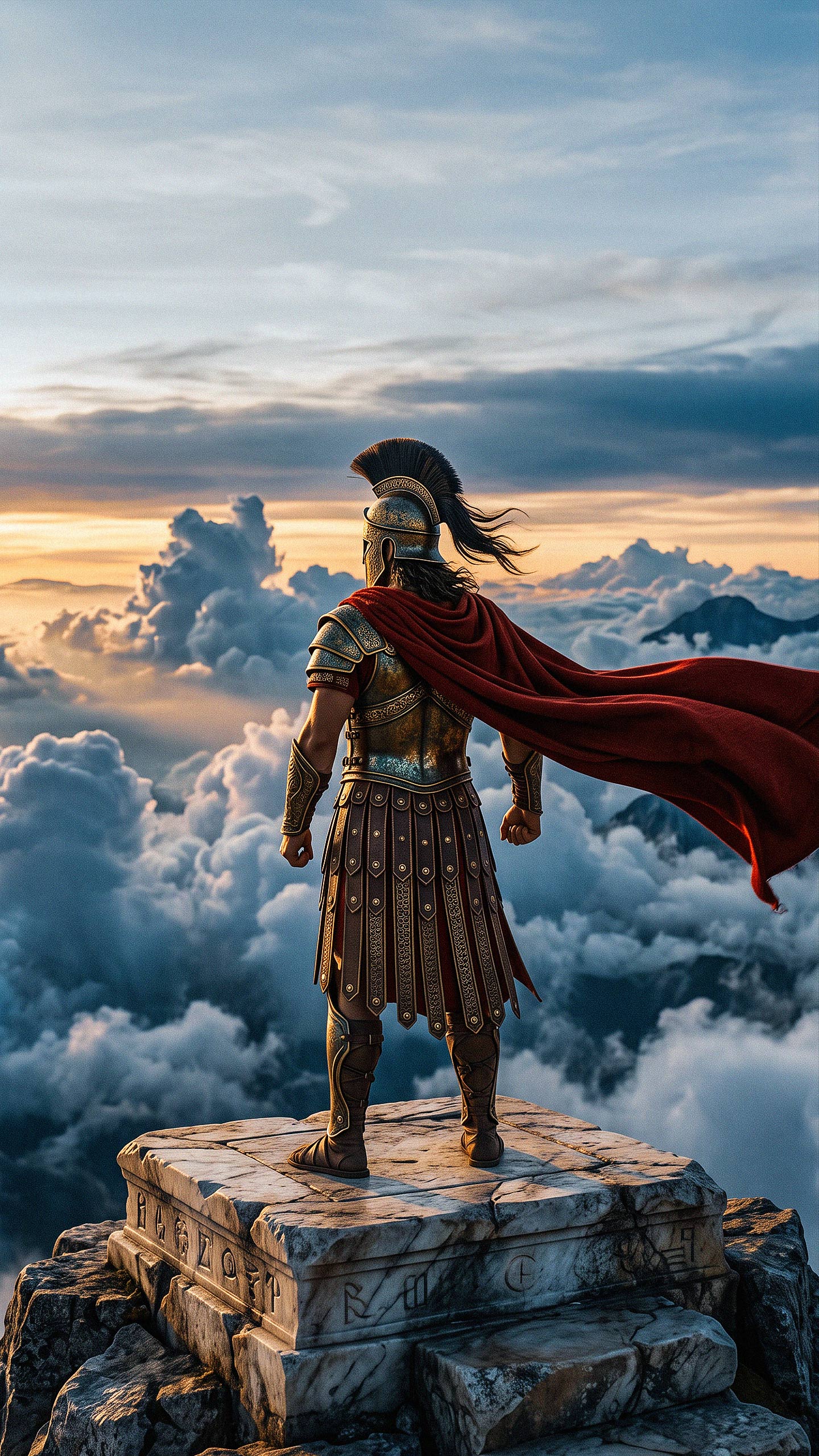
nostalgia; it's a core belief that film captures a texture and depth that digital cannot replicate. From the gritty streets of Gotham in The Dark Knight to the cosmic vistas of Interstellar and the stark drama of Oppenheimer, Nolan has consistently pushed the boundaries of the theatrical experience. His latest, The Odyssey, is the culmination of this philosophy: the first feature film to be shot entirely with IMAX film cameras. This decision is the single biggest reason why its most authentic presentation is so rare.
The Analogue Obsession: What Is IMAX 70mm?
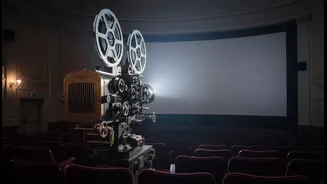
When Nolan and other purists talk about film, they're often talking about specific formats. The gold standard, and Nolan's format of choice, is IMAX 15/70mm film. Think of it like this: if a standard digital movie is a high-quality photograph, IMAX 70mm is a massive, incredibly detailed oil painting. The “70mm” refers to the width of the film strip. The “15” refers to the number of perforations, or sprocket holes, per frame. This massive frame size—ten times larger than standard 35mm film—captures an astonishing amount of visual information, resulting in unparalleled clarity, colour, and immersion. When projected, the image can fill enormous screens with a 1.43:1 aspect ratio, which is much taller and more square than typical widescreen formats, creating a feeling of being completely enveloped by the movie. For The Odyssey, this means audiences in the right theatres see the epic journey exactly as Nolan's camera captured it, with no part of the image cropped.
The Theatre Challenge
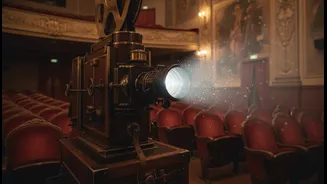
Shooting on IMAX 70mm is one challenge; projecting it is another entirely. This is where the 41-theatre limit comes into play. The vast majority of cinemas worldwide went digital over a decade ago. The specialized equipment needed to project IMAX film is now incredibly rare. These projectors are gargantuan, temperamental machines, and no new ones have been built in roughly 50 years. To screen The Odyssey, IMAX had to track down, refurbish, and rebuild existing units from around the globe. A single print of an IMAX film like The Odyssey can be over 17 kilometres long and weigh more than 250 kilograms, requiring a complex “platter” system to run and a skilled projectionist to operate it—a nearly lost craft. Furthermore, the theatre itself must have a screen large enough and tall enough to support the 1.43:1 aspect ratio, a costly feature few new multiplexes are built with.
The Elite 41: A Global Scarcity
The 41 venues that can show The Odyssey in true IMAX 70mm are a mix of science museums and a handful of commercial theatres that have either maintained or retrofitted their film projection capabilities. For the release of Oppenheimer, there were only 30 such theatres. The increase to 41 for The Odyssey reflects a frantic effort by IMAX to meet the surging demand Nolan has created. However, the distribution is heavily skewed. Of these 41 cinemas, 25 are in the United States. Only a few exist in the UK, Canada, Australia, and parts of Europe, with none in Asia, Africa, or South America capable of showing the film in this specific format. This has led to fans undertaking what they jokingly call their own odysseys, travelling across countries and even continents just for the experience.
Artistic Vision vs. Accessibility
This limited rollout has sparked a debate online: is Nolan’s purism creating an exclusive, inaccessible form of cinema? Some argue that making a film that so few can see as intended goes against the populist nature of moviemaking. However, Nolan’s team and fans argue the opposite. They see it as preserving a grand cinematic tradition and providing an unparalleled experience that justifies the effort. The director himself has said he wanted to give audiences the feeling of being there, with the screen disappearing and the image enveloping them. While the film has been carefully formatted for all screens, from standard digital to Dolby Cinema, the director's preferred version remains this rare, analogue presentation. The scarcity, in a way, has turned a movie screening into a destination event, a pilgrimage for the most dedicated cinephiles.