






The Monsoon Paradox: Too Much of a Good Thing
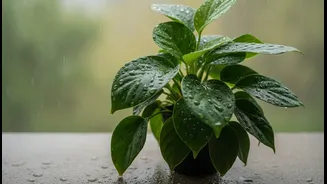
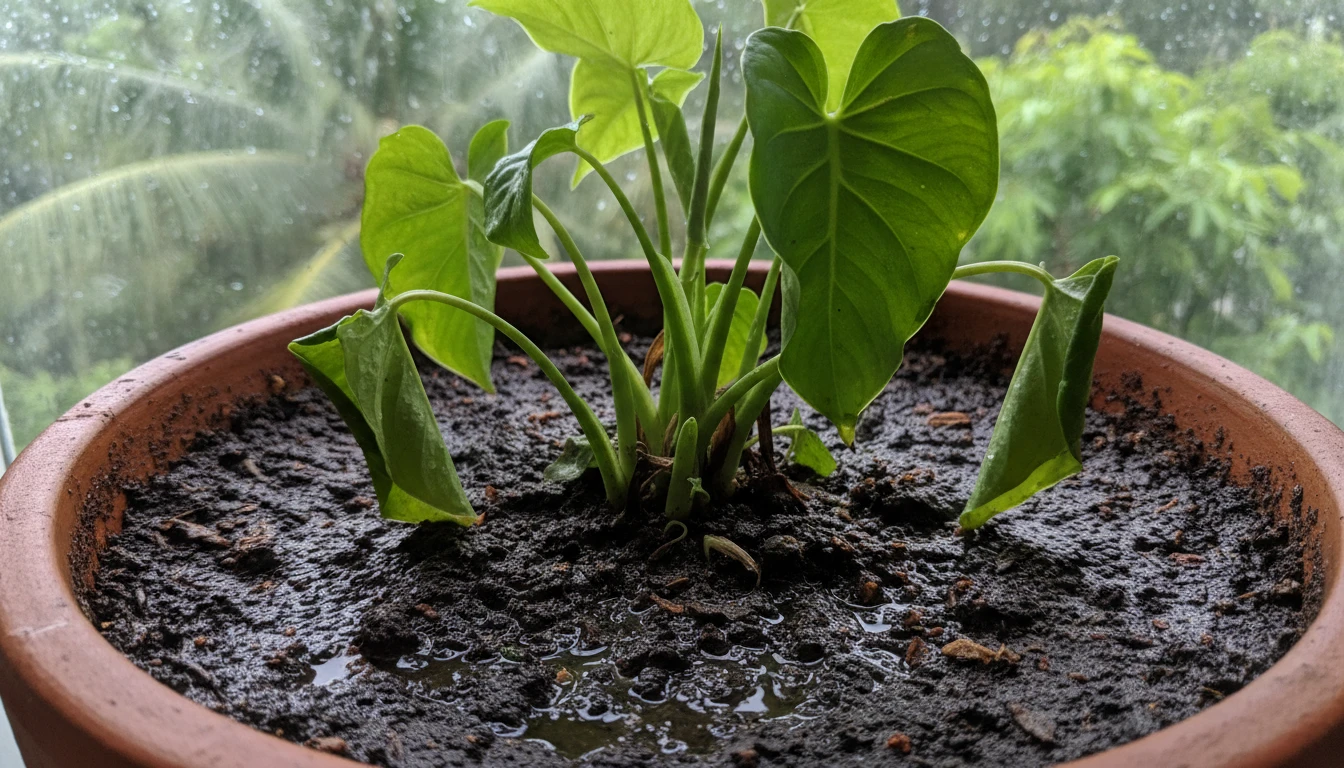
During the monsoon, gardeners often relax their watering schedules, assuming nature is taking care of everything. However, the combination of persistent rainfall, high humidity, and reduced sunlight creates a perfect storm for overwatering. Unlike plants
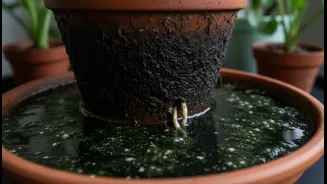
in the ground, potted plants have limited space and depend entirely on drainage holes. When these pots are constantly saturated, the air pockets in the soil fill with water, effectively suffocating the roots. This oxygen deprivation is the first step in a dangerous downward spiral that happens long before you see any visible signs of distress on the leaves.
Whispers of Distress: Spotting Early Warning Signs
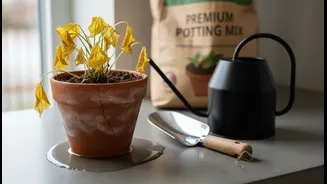
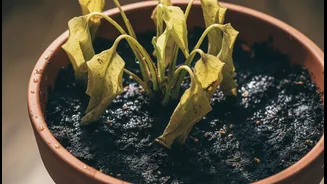
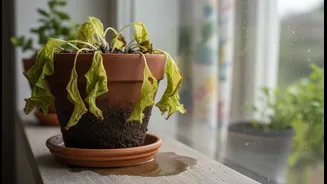
A plant doesn't collapse overnight. It sends subtle signals that it's in trouble. One of the earliest signs of overwatering is leaves turning yellow, particularly the lower ones. The plant might also appear to be wilting, which can be confusing because the soil is wet. This wilting happens because the damaged roots can no longer absorb water efficiently. Other quiet clues include stunted or weak growth, a musty smell coming from the soil, or the appearance of tiny flying insects called fungus gnats, which thrive in damp conditions. The pot itself might feel unusually heavy, a clear sign that the soil is holding onto too much water.
Behind the Collapse: The Science of Root Rot
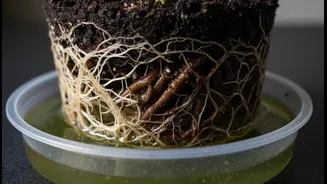
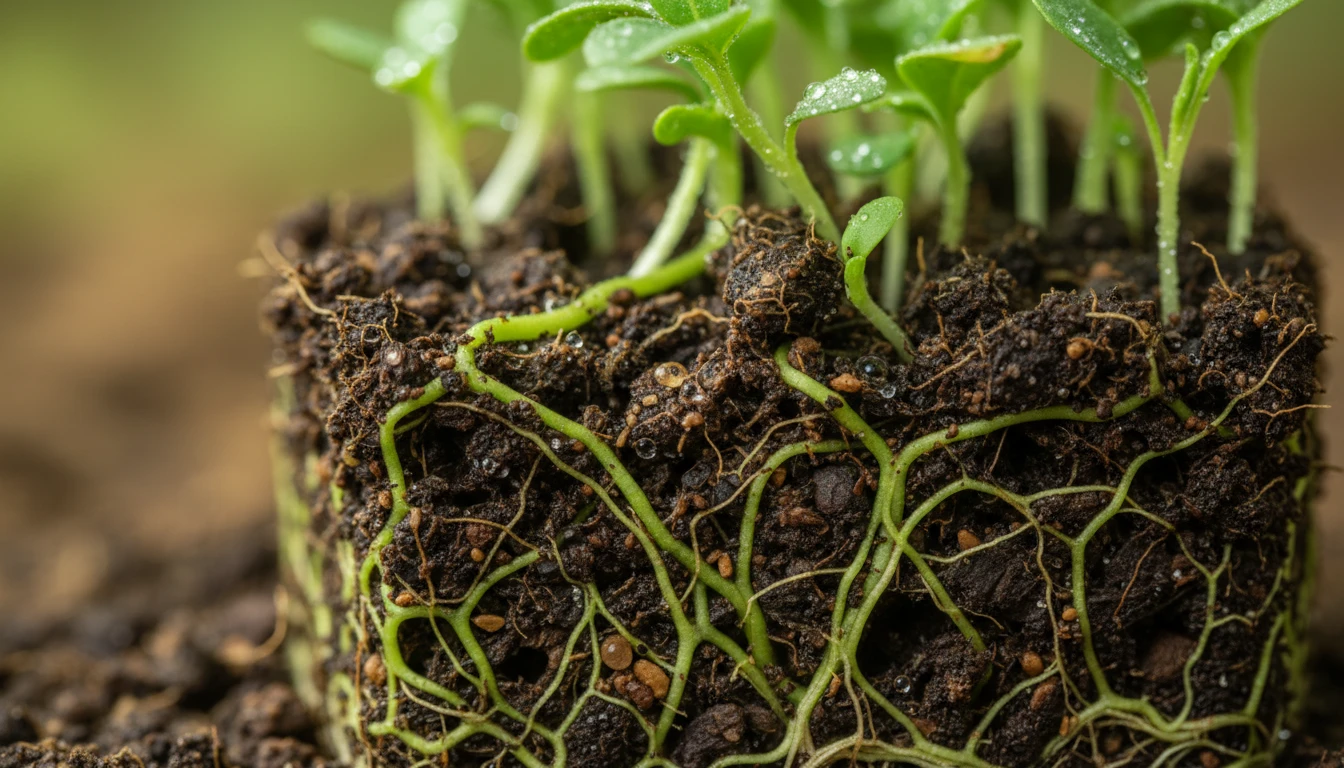
The silent struggle happening beneath the soil is called root rot. When roots are deprived of oxygen for too long, they begin to die and decay. This oxygen-starved, waterlogged environment is an ideal breeding ground for harmful fungi and bacteria that accelerate the decay process. Healthy roots are typically firm and white, but rotten roots become brown, black, and mushy. As the root system fails, it can no longer transport water and essential nutrients to the rest of the plant. The sudden, dramatic collapse of leaves is the final, visible stage of this systemic failure, as the plant loses its ability to maintain its structure and life functions.
Proactive Protection: How to Monsoon-Proof Your Pots
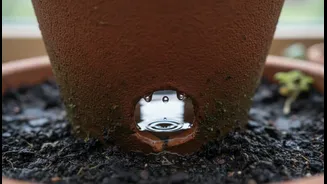
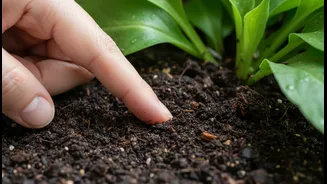
Prevention is always better than a cure. Start with the right foundation: your potting mix. Ensure it's well-draining by adding materials like perlite, sand, or coco peat. Good drainage is non-negotiable. Check that your pots have adequate drainage holes and that they aren't blocked. Elevating your pots on stands or bricks can prevent them from sitting in puddles during heavy rain. During extreme downpours, consider moving more sensitive plants to a covered balcony or patio. Finally, adjust your watering habits. Don't stick to a rigid schedule; instead, check the soil moisture. If the top two inches are dry, it's time to water. If not, wait.
Emergency Room: A Rescue Plan for Waterlogged Plants
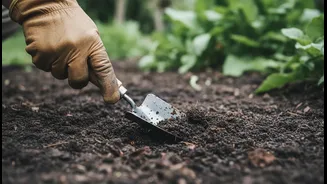
If you suspect a plant is already waterlogged, you must act quickly. Gently remove the plant from its pot and inspect the roots. Using a clean pair of scissors, carefully trim away any roots that are brown, black, or feel mushy, leaving only the healthy, firm, white roots. Discard all of the old, contaminated soil. Repot the plant in a clean container with fresh, well-draining potting mix. It's crucial not to water the plant immediately after repotting; wait a few days to allow the stressed roots to recover. Place the plant in a spot with bright, indirect light and hold off on fertilising until you see signs of new, healthy growth.