





What Exactly is E20 Petrol?
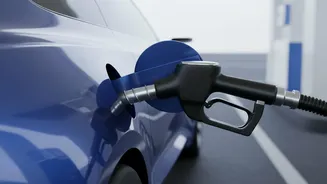
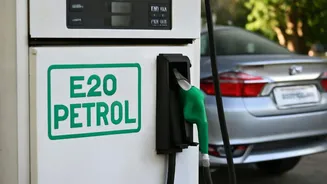
E20 is a blend of 80% petrol and 20% ethanol. India has rapidly transitioned to this fuel, making it the default option at most petrol pumps across the country. The government's goals are to reduce the country's reliance on expensive imported crude oil,
lower carbon emissions, and support domestic farmers who grow the crops used to produce ethanol, such as sugarcane and maize. The rollout of E20 was completed ahead of the original schedule, and the government has stated that there are no plans to revert to lower ethanol blends like E10 or pure petrol for mass-market supply due to logistical challenges.
Decoding the 3-5% Mileage Drop
The central point of the government's recent clarification is that for older vehicles—those not originally designed for E20—the drop in fuel efficiency should be marginal. In a written reply to Parliament, the Minister of State for Petroleum and Natural Gas, Suresh Gopi, confirmed this 3-5% figure. So, what does this mean in real-world terms? If your car typically delivered 15 kilometres per litre (km/l), you might now get between 14.25 and 14.55 km/l. Ethanol has a lower energy density than petrol, meaning slightly more fuel is needed to produce the same amount of power, which causes this small drop. The ministry also noted that E20 offers other benefits, like a higher octane rating, which can lead to smoother acceleration and better anti-knock performance.
Which Vehicles Are Actually 'Older'?
This is a critical question for every vehicle owner. As a rule of thumb, petrol vehicles manufactured and sold in India from April 2023 onwards are required to be fully E20-compliant. If you bought your vehicle new after this date, it was designed for this fuel. For vehicles made before April 2023, compatibility can vary. While many cars made since 2008 were designed to handle E10 (10% ethanol), they were not specifically certified for E20. The government's 3-5% loss estimate applies to these pre-2023, non-E20 certified vehicles. The easiest way to check your specific model's compatibility is by looking for a sticker on the fuel filler flap or consulting your vehicle's owner manual.
Are There Other Risks Besides Mileage?
Beyond fuel efficiency, the main concern for owners of older vehicles has been potential long-term damage to engine components. Ethanol can be more corrosive than petrol and can degrade certain types of rubber and plastic used in fuel lines, gaskets, and seals of non-compliant cars over time. However, the government has stated that extensive testing and real-world data have shown no evidence of widespread engine failure or breakdowns attributable to E20 fuel. Major auto manufacturers have backed this, with one leading company servicing 1.5 crore older, non-E20 vehicles without reporting systemic damage from the new fuel. They also continue to honour warranties for vehicles using E20 fuel.
What Should Owners of Older Vehicles Do?
Since E20 is now the standard fuel, avoiding it is not a practical option for most drivers. The only widely available ethanol-free options are high-octane premium fuels, which are significantly more expensive and sold at fewer outlets. For owners of pre-2023 vehicles, proactive maintenance is key. It's advisable to have a trusted mechanic inspect rubber fuel lines and seals during your next service. Some experts also suggest changing the fuel filter more frequently, as ethanol can loosen deposits in older fuel tanks that might clog the filter. Keeping an eye out for symptoms like rough idling or difficulty starting can also help you catch any potential issues early.