









The Promise and the Problem of E20
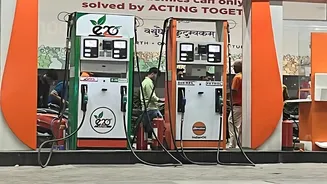
E20 is a blend of 80% petrol and 20% ethanol, an alcohol-based fuel typically derived from agricultural sources. Its adoption is a cornerstone of India's green energy policy, aimed at bolstering energy security, cutting the oil import bill, and supporting
the farm sector. While modern vehicles are designed to be compatible with this blend, the fuel itself has a specific chemical property that is causing unforeseen issues: ethanol is hygroscopic, meaning it attracts and absorbs water. This property is now shining a harsh light on a decades-old infrastructure problem.
Our Ageing Underground Tanks
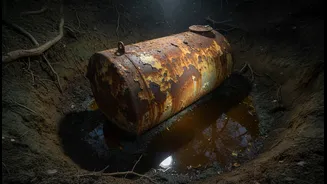
Beneath thousands of petrol pumps across India lie vast underground storage tanks (USTs), many of which are decades old and made of steel. Over time, these tanks can develop corrosion, cracks, or faulty seals, making them susceptible to water ingress from monsoon rains or ambient groundwater, especially in coastal areas. When fuel was unblended petrol, a small amount of water at the bottom of the tank was a manageable issue. However, with E20, the game has changed completely. The ethanol in the fuel actively pulls this water into the blend.
The Science of Phase Separation
When the water content in an E20-filled tank exceeds a threshold of about 0.5%, a phenomenon called 'phase separation' occurs. The ethanol, having a stronger affinity for water than petrol, binds with the water molecules. This heavier ethanol-water mixture then separates from the petrol and settles at the bottom of the tank. Since fuel dispensers draw from the bottom, there is a risk that vehicles could be filled with this corrosive, water-rich mixture instead of the intended E20 fuel. This can lead to vehicles stalling, breaking down, or refusing to start.
The Ripple Effect for Consumers and Dealers
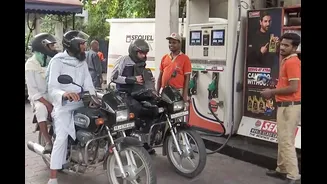
The consequences of this contamination are twofold. For consumers, it can mean unexpected and expensive engine damage. Ethanol can degrade older rubber and plastic components in the fuel systems of non-compliant vehicles, while water-contaminated fuel can cause even more immediate harm. For petrol pump dealers, the problem is a direct financial hit. They are responsible for the fuel they purchase from oil marketing companies (OMCs), and if a batch is contaminated, it must be discarded at their own loss, which can amount to thousands of litres. Dealers report being instructed to check for water multiple times a day, a process that adds to their operational burden.
The Search for a Solution
Addressing this challenge requires a multi-pronged approach. Oil marketing companies state they have a zero-tolerance policy for contamination and have conducted thousands of inspections to ensure fuel quality, finding no major issues. However, the underlying issue of ageing tanks remains. The long-term solution involves upgrading India's vast network of underground tanks to modern, non-corrosive materials like fiberglass, which are less prone to leaks and water seepage. This is a costly and time-consuming undertaking. In the interim, OMCs have mandated more frequent tank inspections and cleaning protocols for dealers. While these measures help manage the symptoms, the core problem lies buried deep in the ground.