





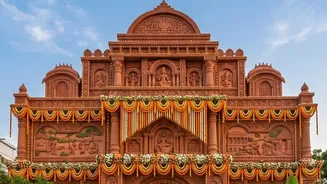
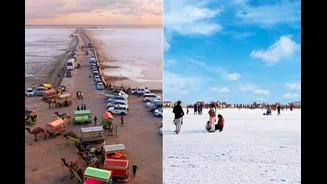
Set against the stark white salt desert, Gujarat's Rann Utsav is a vibrant festival of culture, music, and art. This guide explains one of its biggest draws: the bustling handicraft markets where the soul of Kutch is woven into every thread.
The White Desert's Cultural Heartbeat
Rann Utsav
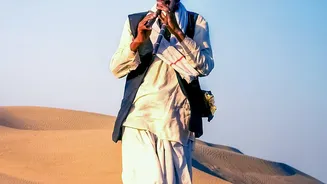
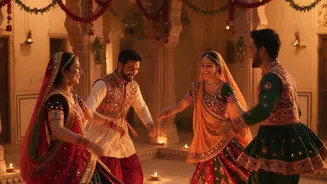
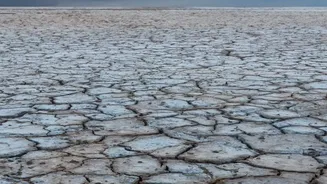
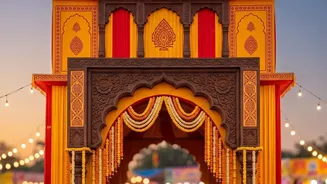
is Gujarat's celebrated annual festival, held in the Great Rann of Kutch, a vast salt desert. For the 2026-27 season, the festival is scheduled to run from November 1, 2026, to March 7, 2027. It takes place at a specially constructed Tent City near the village of Dhordo, transforming the white expanse into a hub of cultural activity. While the surreal landscape, especially under a full moon, is a major attraction, the festival's core purpose is to celebrate Kutch's rich heritage. It serves as a vital platform for local communities to showcase their traditions, from folk music and dance to the region's extraordinary handicrafts, connecting them directly with visitors from around the world.
A Universe of Kutchi Handicrafts
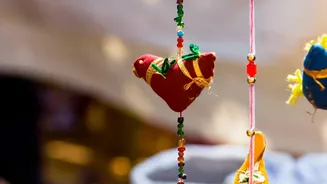
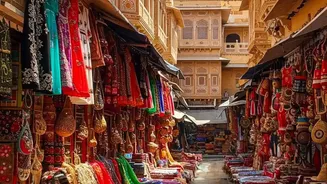
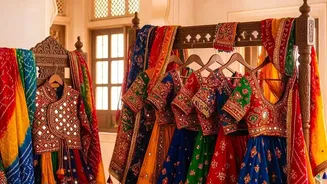
The craft stalls at Rann Utsav are a treasure trove of artisanal excellence. Kutch is renowned for a breathtaking variety of crafts, many of which have been passed down through generations. Key among these are textiles. You will find exquisite Kutch embroidery, famous for its intricate needlework and glittering mirror or 'shisha' embellishments. Different communities like the Rabari and Ahir have their own distinct and colourful embroidery styles. Another highlight is Ajrakh, a complex block-printing technique using natural dyes like indigo to create geometric patterns. Also prominent is Bandhani, a traditional tie-dye method resulting in vibrant, dotted patterns on fabrics. Beyond textiles, look for melodic copper bells, intricate wood carvings, and the unique Rogan art, a rare form of fabric painting practised by only one family.
Meeting the Master Artisans
What makes shopping at Rann Utsav special is the opportunity to meet the makers. The festival eliminates the middlemen, allowing artisans from remote villages to sell their work directly. This interaction provides a deeper appreciation for the skill and stories woven into each piece. For instance, you might meet weavers from the Vankar community of Bhujodi village, known for their handloom shawls and stoles. Or you could encounter members of the Khatri family from Nirona, the sole practitioners of Rogan art. These artisans are often happy to demonstrate their techniques, whether it's the rhythmic clatter of a loom or the delicate process of painting with a metal rod that never touches the fabric. This direct connection not only ensures authenticity but also means your purchase directly supports the livelihood and preservation of these ancient traditions.
Navigating the Artisan Markets
The main handicraft market is located within the Rann Utsav Tent City, making it convenient for visitors staying there. This crafts bazaar brings together a wide variety of artisans and products from across Kutch in one place. However, for a more immersive experience, many travellers choose to visit the artisan villages themselves. Villages like Bhujodi (for weaving), Ajrakhpur (for block printing), and Nirona (for Rogan art, copper bells, and lacquer work) are all within a day-trip distance from Bhuj, the region's main city. Prices in the villages can sometimes be lower, and the experience of seeing the crafts made in their home environment is unparalleled. Whether you shop at the Utsav or in a village, carrying cash is advisable as digital payment options can be limited. Don't hesitate to ask artisans about their craft; it's a part of the rich cultural exchange.