






Planning a trip in India is getting a major digital upgrade. The government is rolling out a new strategy to move beyond just famous landmarks, focusing on making unique local experiences and hidden gems easier for every traveller to find and enjoy.
A New Digital Foundation for Travel
The
Ministry of Tourism has launched a multi-pronged digital strategy aimed at transforming how tourists explore the country. A central piece of this is the National Digital Tourism Stack, an open digital infrastructure developed with the Open Network for Digital Commerce (ONDC). Instead of creating another single government app, this system allows various tourism providers—from hotels and homestays to local guides and transport services—to list their offerings across multiple participating platforms. This integrated approach aims to solve the fragmented experience of using dozens of different apps for planning a trip, bringing everything into a more connected and trustworthy ecosystem. The system will support verified identities, digital payments, and user ratings, making it easier to find reliable services.
Beyond Monuments: The Push for Discovery
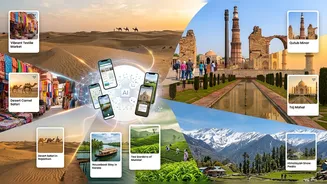
A key goal of this digital push is to steer travellers towards lesser-known but equally captivating destinations. Initiatives like 'Dekho Apna Desh 2.0' are designed to highlight tourism-ready places that are not on the usual tourist trail. The government is actively identifying and promoting destinations in categories like hill stations, coastal towns, and heritage sites to distribute tourism more evenly and reduce pressure on popular hotspots. The revamped 'Incredible India' digital platform complements this by using AI-powered tools to offer personalized recommendations based on interests like wellness, adventure, or rural tourism. This helps travellers discover unique itineraries that go beyond the typical circuits, offering a more authentic glimpse into India's diversity.
Seamless Planning and Improved Accessibility
One of the biggest hurdles for travellers can be navigating bookings and logistics. The new digital framework aims to make this seamless. Through partnerships with online travel agents and other stakeholders, the Incredible India platform facilitates bookings for flights, hotels, and even tickets for monuments managed by the Archaeological Survey of India. Accessibility is another core focus. The platform is available in multiple languages, including Arabic, Chinese, and Spanish, to cater to a global audience. Furthermore, there is a broader push for physical accessibility under the 'Accessible India Campaign', which encourages barrier-free access at tourist spots, hotels, and public transport for elderly travellers and people with disabilities.
Empowering Communities Through Local Experiences
At the heart of this new vision is a focus on authentic, community-based tourism. The 'Travel for LiFE' (Lifestyle for Environment) program, launched under India's G20 presidency, encourages travellers and businesses to adopt sustainable practices. This initiative nudges tourists to 'Consume Local Foods', 'Empower Local Businesses and Communities', and 'Respect Local Culture'. By promoting homestays, local artisans, and community-led tours, the strategy aims to ensure that tourism revenue directly benefits the local economy. The goal is to create more meaningful connections for travellers, moving beyond simple sightseeing to foster genuine cultural exchange and support small-scale entrepreneurs.