





The Nutrient Gap
A well-planned vegetarian diet can be incredibly healthy, but it requires a conscious effort to replace the nutrients commonly found in animal products. Meat provides a concentrated source of protein, iron, and vitamin B12. When you cut it out without
strategically adding back plant-based equivalents, you risk falling short on essential building blocks your body needs to function optimally. A truly balanced vegetarian meal is not about subtraction, but about addition—thoughtfully incorporating a variety of nutrient-dense plant foods to cover all your nutritional bases.
Prioritise Protein Power
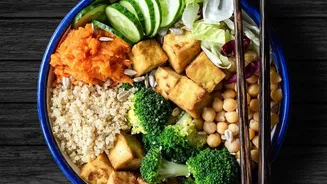
Many people worry about getting enough protein on a vegetarian diet, but it's easier than you might think. The key is variety. Plant-based proteins are found in abundance in legumes (lentils, chickpeas, black beans), soy products (tofu, tempeh, edamame), whole grains like quinoa, and nuts and seeds. While it was once believed you had to combine different plant proteins at every meal to make a 'complete' protein, current thinking is that eating a variety of sources throughout the day is sufficient to get all the essential amino acids your body needs.
Iron Intelligence
Iron is vital for energy and carrying oxygen in your blood. Plant-based foods contain a type of iron called non-heme iron, which isn't as easily absorbed by the body as the heme iron found in meat. To counteract this, vegetarians often need to consume more iron-rich foods and be smart about how they eat them. Excellent plant sources include lentils, soybeans, tofu, spinach, and fortified breakfast cereals. The secret to boosting absorption is vitamin C. Pairing your iron-rich foods with vitamin C sources—like squeezing lemon juice over a lentil curry, adding bell peppers to a tofu stir-fry, or eating an orange with your fortified cereal—can significantly increase how much iron your body takes in.
The B12 Blind Spot
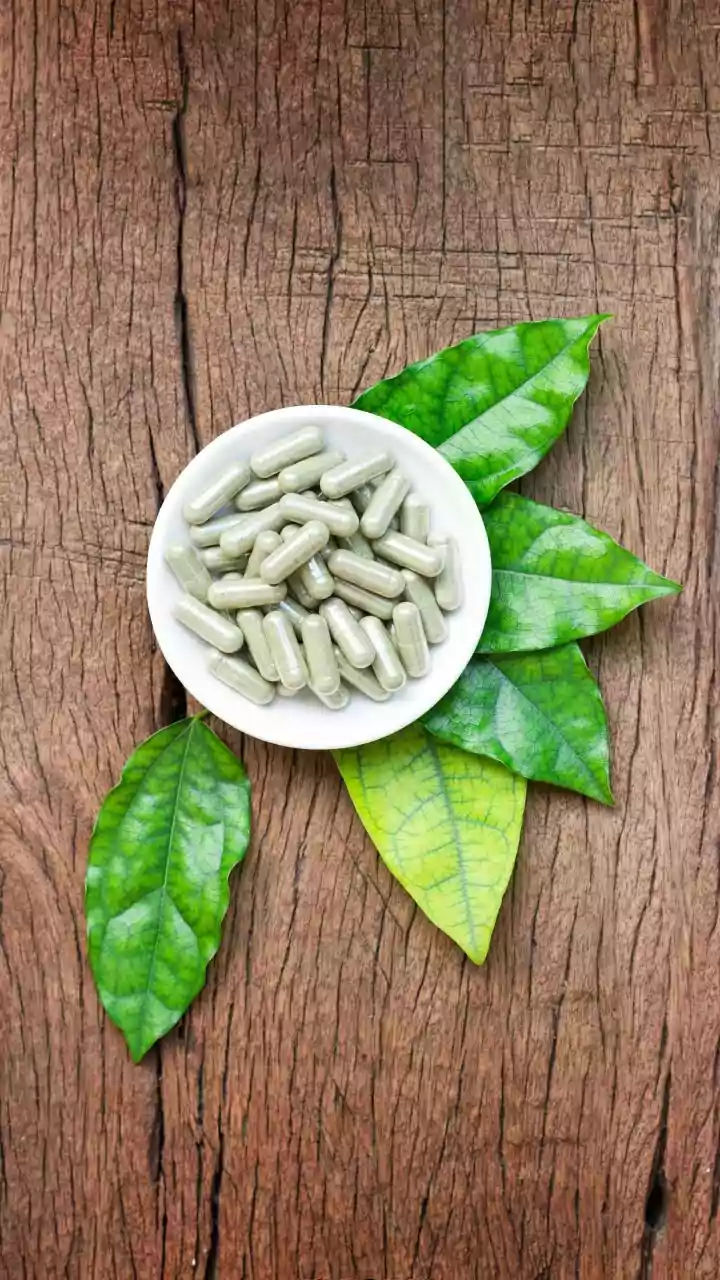
Vitamin B12 is crucial for nerve function and the creation of red blood cells, and deficiency can lead to fatigue and memory issues. This is one nutrient that is almost exclusively found in animal products. Plant foods do not naturally contain reliable amounts of B12. For this reason, vegetarians, and especially vegans, must rely on fortified foods or a supplement. Many plant milks, breakfast cereals, and nutritional yeast products are fortified with B12. Given the risks of deficiency, which can develop within a couple of years, many health professionals recommend that anyone on a long-term vegetarian diet consider regular B12 supplementation.
Don't Forget Calcium and Vitamin D
Calcium is essential for bone health, and it's not just found in dairy. If you're forgoing dairy products, you can find calcium in fortified plant milks, calcium-set tofu, and dark leafy greens like kale and collard greens. However, absorbing that calcium is another matter, and that's where vitamin D comes in. Vitamin D, often called the 'sunshine vitamin', helps your body absorb calcium. While some mushrooms and fortified foods contain vitamin D, it can be challenging to get enough from diet alone, especially in regions with less sun. Many people, vegetarian or not, may need a supplement to maintain adequate levels.