





What Exactly Is Amaranth?
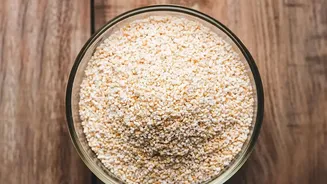
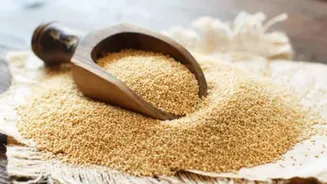
First things first, let's get acquainted. Amaranth isn't technically a grain like wheat or oats; it's a 'pseudocereal'. This means we cook and eat its seeds like grains, but it belongs to a different plant family—the same one as beets and spinach. Cultivated
for over 8,000 years, it was a staple food for the Aztecs, prized for its resilience and nutritional content. Today, it's gaining modern fame for being naturally gluten-free and packing an impressive nutritional punch, with an earthy, nutty flavour that works well in a variety of dishes.
The Power Trio for Bone Health
When it comes to bone nutrition, calcium gets all the attention. While amaranth is a good source of plant-based calcium, its real strength lies in its mineral trifecta: calcium, magnesium, and phosphorus. One cooked cup (about 246 grams) provides a significant amount of your daily needs for these key nutrients. You'll find roughly 116 mg of calcium (12% DV), 160 mg of magnesium (40% DV), and 364 mg of phosphorus (36% DV). These minerals work together synergistically. Magnesium helps regulate and transport calcium, while phosphorus is a crucial building block of the bone matrix itself. Without adequate magnesium and phosphorus, the calcium you consume can't do its job effectively.
More Than Just Minerals
Amaranth's benefits for bone structure go beyond its mineral content. It's exceptionally high in manganese, with a single serving providing over 100% of your daily requirement. Manganese is essential for the body to form connective tissue and bones. Furthermore, amaranth is a complete protein, meaning it contains all nine essential amino acids, including lysine, which is often lacking in other grains. Protein is fundamental for building the collagen framework that minerals adhere to, giving bones their strength and flexibility. This complete protein profile makes amaranth an unusually high-quality plant-based food for supporting overall body structure.
How It Compares to Other Grains
So, how does amaranth stack up against your usual breakfast bowl of oats? While both are healthy choices, amaranth generally offers a superior mineral and protein profile. Compared to many common grains, amaranth contains significantly more calcium, magnesium, iron, and phosphorus. Its protein is also considered higher quality due to its complete amino acid profile. This doesn't mean you should abandon your other favourite whole grains, but it does highlight amaranth as a particularly nutrient-dense option worth adding to your rotation, especially if bone health is a priority.
Easy Breakfast Idea: Creamy Amaranth Porridge
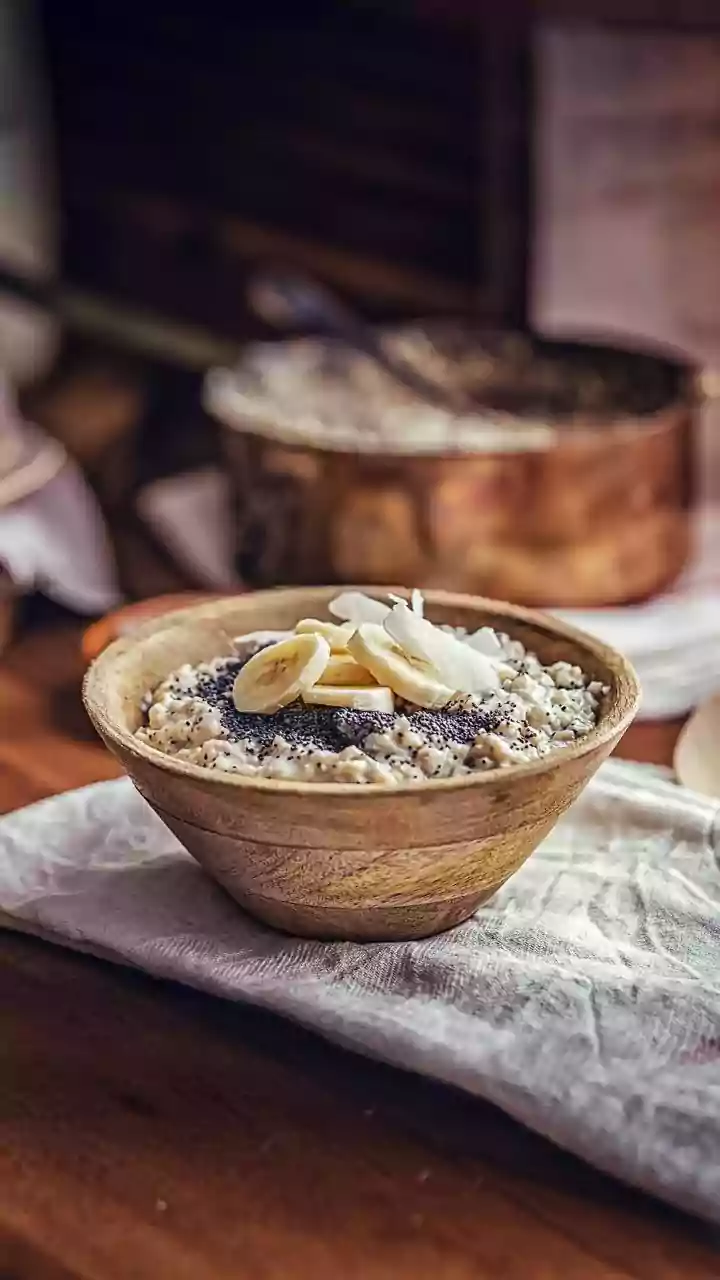
Ready to try it? The simplest way to enjoy amaranth for breakfast is as a creamy porridge. It's as easy as cooking oatmeal. Simply combine one part amaranth with about two and a half parts water or milk in a saucepan. Bring it to a boil, then reduce the heat, cover, and let it simmer for about 20-25 minutes, stirring occasionally, until the liquid is absorbed and the texture is thick and creamy. The tiny grains will still be visible but will stick together. From there, the possibilities are endless. Drizzle with honey or maple syrup, add a splash of milk, and top with fresh fruit, nuts, or seeds for extra flavour and nutrients.
Beyond the Bowl: Other Morning Uses
Porridge isn't the only way to get your morning amaranth fix. For a quick and easy boost, you can add puffed amaranth to your favourite yoghurt or cold cereal for a delightful crunch. It also blends well into smoothies, adding protein, fibre, and minerals without significantly altering the taste. For those who prefer a savoury start, cooked amaranth can be mixed with cheese, herbs, and topped with a fried egg and avocado for a hearty and satisfying breakfast bowl. This versatility makes it easy to incorporate into your existing morning routine, no matter your preference.