







The Challenge of a Super-SUV
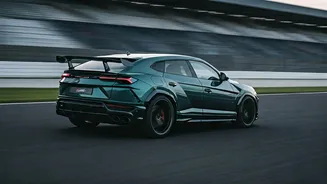
Stopping a vehicle is a simple matter of physics. Brakes convert the immense kinetic energy of a moving car into heat. The heavier and faster the car, the more energy and heat are generated. The Lamborghini Urus, even in its most track-focused forms,
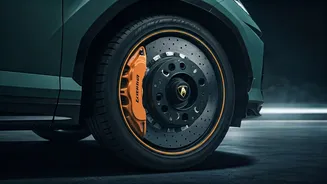
is a heavyweight champion, weighing over 2,400 kilograms. Bringing that much mass down from high speed, repeatedly, generates an incredible thermal load on the braking system. When brakes get too hot, they can suffer from a phenomenon known as brake fade, where the friction material becomes less effective, the pedal feels soft, and stopping distances increase. For a machine designed to push the limits of performance, managing this heat is not just important; it is a fundamental pillar of safety and driver confidence. That is the battlefield where this 8% improvement makes its stand.
An Aerodynamic Solution
The new Lamborghini Urus SE Performante, the model in question, achieves its enhanced cooling not by simply installing larger brake discs, but through clever aerodynamics. The engineering team added a new, dedicated NACA duct integrated directly into the front splitter. This specially shaped inlet is designed to efficiently channel high-speed airflow and direct it precisely onto the massive carbon-ceramic front brake discs and calipers. Unlike a simple hole, a NACA duct is designed to pull in air with minimal disruption to the vehicle's overall aerodynamic flow, reducing drag. By bathing the hardware in a constant stream of cool air, the system can dissipate heat more effectively, keeping the brakes within their optimal operating temperature for longer. This is a solution born from motorsport, where sustained performance under extreme stress is paramount.
What 8% Means on the Road
An 8% increase in cooling efficiency might sound minor, but its effect on the driving experience is significant. On a racetrack, it means a driver can brake later and harder for more laps without a noticeable drop in performance. Each corner exit and entry remains consistent, allowing the driver to build a rhythm and trust the car completely. Away from the track, the benefit translates to enhanced confidence on spirited drives, like descending a steep mountain pass. Here, repeated heavy braking can easily overwhelm a lesser system. The improved cooling provides a crucial safety margin, ensuring the brakes are ready to perform when needed most. This improvement works in concert with a new 'Integrated Power Brake' system that Lamborghini says increases overall braking power by 10% and system responsiveness by 12% over the previous Urus Performante, creating a more powerful and reliable stopping package.
A Philosophy of Incremental Gains
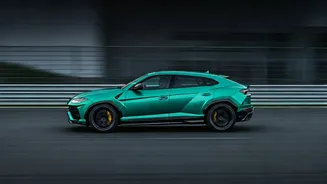
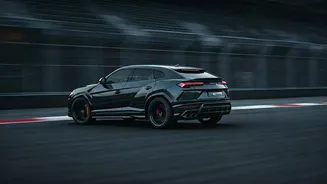
This focus on brake cooling is part of a wider philosophy for the 801-horsepower Urus SE Performante. The model represents the pinnacle of Lamborghini's SUV lineup, a machine where every component is optimized for performance. This single detail is surrounded by a suite of other upgrades: a 70-pound weight reduction compared to the standard SE, a new dual-chamber air suspension that cuts body roll by 55%, and an aggressive aerodynamics package that increases downforce by 16%. In the hyper-competitive world of super-SUVs, victory is measured in fractions of a second and small percentages. This 8% is not just a statistic in a brochure; it is a tangible expression of Lamborghini's obsession with engineering and a statement that no detail is too small in the pursuit of the ultimate driving experience. It proves that even for a brand known for shouting, the quiet pursuit of small gains speaks volumes.