







Understand Your Body’s Clock
Your body runs on an internal 24-hour cycle called the circadian rhythm, which governs your sleep-wake cycle. This rhythm is managed by a master clock in your brain that responds to environmental cues, with light being the most powerful. When it gets
dark, your brain releases melatonin, the hormone that makes you sleepy. As morning approaches, it ramps up production of cortisol, an alertness hormone that helps you wake up and feel ready for the day. Waking up easily is less about forcing yourself out of bed and more about syncing your routine with these natural hormonal shifts. When your internal clock is aligned, waking up can feel more automatic and less stressful.
Let There Be Morning Light
Light is the single most important signal for your internal clock. Exposure to bright light first thing in the morning tells your brain to stop producing melatonin and kickstart the cortisol awakening response, signaling that the day has begun. This is why waking up feels so much harder on dark, dreary mornings. Studies have shown that people who get more outdoor light during the day report an easier time getting up. Your body is most sensitive to light within the first hour of your usual wake-up time, making this a critical window to reinforce your circadian rhythm. Getting this light exposure consistently helps you wake up more easily and can improve your focus and energy throughout the day.
Master Your Light Exposure
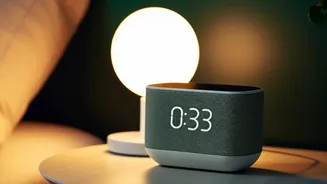
The best way to signal 'wake-up' time to your brain is to get outside for at least 15 minutes within an hour of waking. Even on a cloudy day, the light outdoors is significantly brighter and more effective than indoor lighting. If going outside isn't practical, the next best thing is to sit near a window. For those in darker climates or who wake up before the sun, a sunrise alarm clock can be a game-changer. These devices mimic a natural sunrise by gradually increasing the light in your room over 20-40 minutes before your set alarm time. This gentle transition from dark to light allows your body to wake up gradually instead of being jolted from a deep sleep by a blaring sound. Light therapy boxes that provide 10,000-lux white light can also be highly effective when used for about 30 minutes shortly after waking.
The Unbeatable Power of Consistency
While light sets your clock, timing keeps it accurate. Waking up at the same time every single day—yes, even on weekends—is one of the most powerful habits for easier mornings. An inconsistent schedule, like sleeping in on Saturdays, confuses your internal clock. This creates a feeling similar to jet lag on Monday morning because you've shifted your body's light exposure schedule. A regular sleep routine helps regulate your circadian rhythm, leading to better quality sleep and making it easier to fall asleep and wake up naturally. Over time, your body learns to anticipate your wake-up time, and you may even start waking up just before your alarm, feeling more refreshed and alert.
Avoid These Morning Mistakes
Some common habits can sabotage your efforts for a better morning. Hitting the snooze button is a primary offender. That extra nine minutes of light, fragmented sleep isn't restorative and can leave you feeling even groggier. Another mistake is reaching for your phone immediately. The bright, blue-toned light from screens can be confusing to your brain so early in the day. Finally, inconsistent meal times can also disrupt your circadian rhythm. Just as light provides a timing cue, so does food. Keeping your breakfast time relatively stable further reinforces your body's daily schedule, contributing to a more stable energy level and wake-up process.