





An Immunity-Boosting Ally
The rainy season often brings a spike in infections. Papaya is a formidable ally in strengthening your body's defences. It is exceptionally rich in Vitamin C, a powerful antioxidant that supports the immune system. A single serving can provide more than
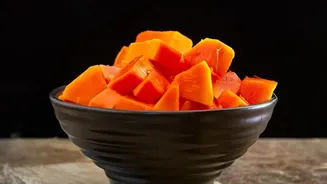
the daily recommended intake, helping your body fight off common seasonal ailments. Beyond Vitamin C, papaya is a good source of Vitamin A, folate, and potassium. It also contains antioxidants like lycopene that protect your cells from damage. This nutritional profile makes it an ideal fruit for maintaining health and vitality when the weather is gloomy.
The Digestive Soother
Indigestion, bloating, and other digestive troubles are common complaints during the monsoon. Papaya contains a unique enzyme called papain, which is renowned for its ability to break down proteins and aid digestion. This can help soothe the stomach and prevent discomfort often associated with heavy or rich monsoon foods. The fruit is also a good source of dietary fibre and has a high water content, both of which are essential for preventing constipation and promoting regular bowel movements. Including papaya in your diet can help keep your digestive system running smoothly throughout the season.
Monsoon Risks and How to Avoid Them
The primary concern with eating fresh produce during the monsoon is contamination from waterborne pathogens and faster spoilage due to high humidity. The risk isn't from the fruit itself, but from how it's handled. Street vendors often sell pre-cut fruits that have been exposed to the elements, making them risky. It's crucial to avoid these and instead buy whole fruits that you can prepare yourself. The high moisture content in the air can also accelerate the growth of mould and fungus on fruits. Therefore, careful selection and proper storage are non-negotiable during this season.
How to Pick the Perfect Papaya
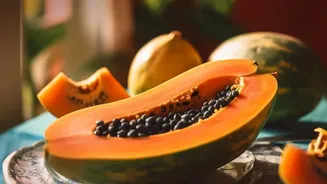
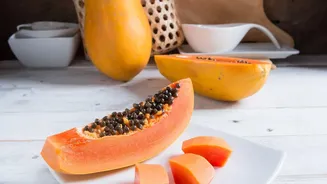
Selecting a good papaya is the first step to ensuring it's safe and delicious. Look for a fruit with smooth skin that is turning from green to yellow. A mostly yellow skin indicates it's ripe and ready to eat soon. Gently press the skin; it should yield to firm but gentle pressure, much like an avocado. If it's too firm, it's unripe, but can be ripened at home. Avoid papayas with bruises, black spots, or overly soft patches, as these can be signs of mould or spoilage. A ripe papaya might also have a slightly sweet scent at its base.
The Safe-Handling Guide: Washing and Storing
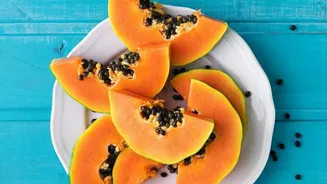
Before you cut into any fruit, especially during the monsoon, wash it thoroughly under clean, running water. This removes any surface contaminants. Also, wash your hands and the knife before you begin. Once washed, pat the papaya dry. If you buy an unripe papaya, you can leave it at room temperature for a few days until it turns yellow. A fully ripe, uncut papaya can be stored in the refrigerator for about a week. Once cut, place the pieces in an airtight container and keep them refrigerated, consuming them within a day or two to prevent contamination and nutrient loss.