




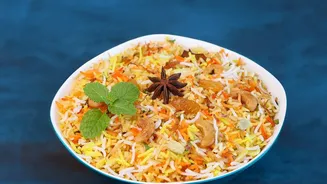
The Soul of the Feast: Sacred Bhog
The culinary journey begins with bhog, the sacred food offered to the goddess before being distributed to devotees. This isn't just a meal; it's a profound community experience that unites everyone in the pandal. The quintessential bhog platter is a masterclass
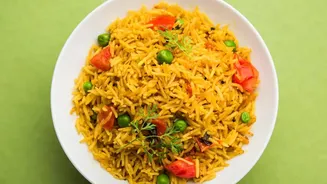
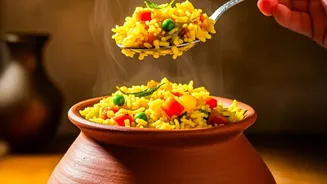
in vegetarian simplicity and flavour. At its heart is the bhoger khichuri, a soul-satisfying blend of roasted moong dal and gobindobhog rice, slow-cooked with ghee and mild spices. It's typically served with labra, a sublime mixed vegetable curry where pumpkin, brinjal, and beans meld together. Alongside, you will often find beguni (crisp brinjal fritters), a tangy tomato chutney, and a simple payesh (rice pudding) to finish. To eat bhog is to partake in a tradition that nourishes both body and spirit.
Fuel for Pandal Hopping: Street Food Staples
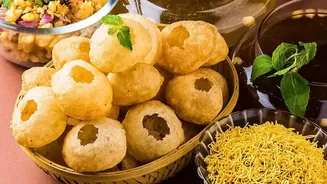
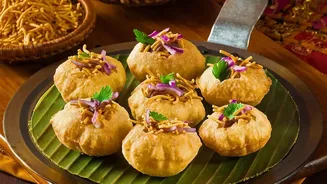
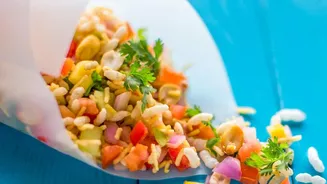
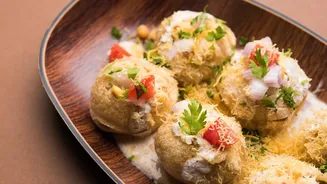
As evening descends and the pandal hopping begins in earnest, the streets of Kolkata transform into a sprawling, open-air food court. This is where the city’s true festive energy is found, with food stalls powering the revellers through the night. The undisputed king of this scene is the kathi roll. Flaky parathas are wrapped around spicy fillings like egg, chicken, or mutton, making for the perfect on-the-go meal. Equally essential are phuchkas, Kolkata’s answer to pani puri, with their spicy potato filling and tangy tamarind water providing a flavour explosion in every bite. Other must-try snacks include ghugni (a curried white pea stew) and an array of deep-fried chops and cutlets, from fish to vegetable, best enjoyed with a sharp dip of kasundi mustard.
A Universe of Sweets: The Mishti Break
No celebration in Bengal is complete without mishti (sweets), and during Durga Puja, the obsession reaches its peak. Sweet shops work around the clock, their glass cases piled high with an astonishing variety of treats. Iconic sweets like the spongy rosogolla and the delicate sandesh, made from fresh cottage cheese, are mandatory. Mishti doi, a sweet, caramelised yogurt set in earthen pots, offers a creamy, cooling respite. Many families also prepare traditional sweets at home, such as narkel naru, which are chewy coconut laddoos made with jaggery or sugar. Whether grabbed from a legendary sweet shop or shared among family, these sweets are an integral part of the festive joy.
The Late-Night Grand Finale: Biryani and Beyond
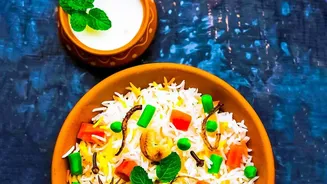
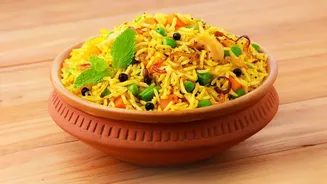
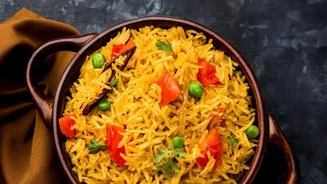
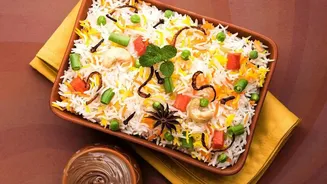
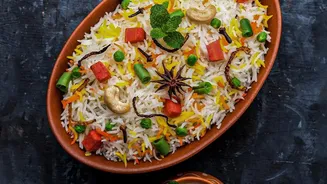
While tradition is key, the modern Pujo food trail often culminates in a grand, sit-down meal, frequently enjoyed in the early hours of the morning. After a long night of walking, revellers flock to the city’s famous eateries, which stay open all night. Here, the dish of choice is often the iconic Kolkata-style biryani. Lighter and more fragrant than other regional variations, it is distinguished by the mandatory presence of a whole, soft-boiled potato and often an egg, alongside tender pieces of meat. Restaurants see a massive spike in footfall, especially on Navami and Dashami, as people gather for a final, celebratory feast. This coming together over a shared meal, whether it’s biryani, kosha mangsho, or a lavish thali, perfectly encapsulates the spirit of community that defines the festival.