




Beyond Brute Strength: Why Stability Matters
In the world of fitness, it's easy to focus on lifting heavier weights or building bigger muscles. But true, lasting strength isn't just about power; it's about control. Stability is your body's ability to resist unwanted movement and maintain control during
an activity. This is managed by a network of smaller, deeper muscles known as stabilizers, which work in concert with larger muscle groups. When these stabilizer muscles are strong, they provide a solid foundation for every move you make, from lifting groceries to performing a heavy squat. Neglecting them can lead to power leaks, poor form, and an increased risk of injury, as larger muscles are forced to compensate for the lack of a stable base.
The Beam Squat: A Test of Balance
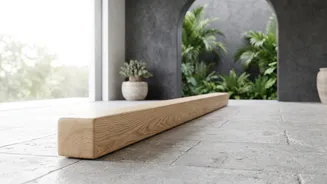
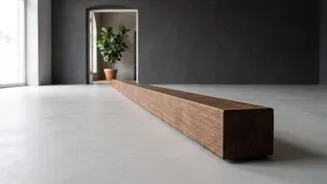
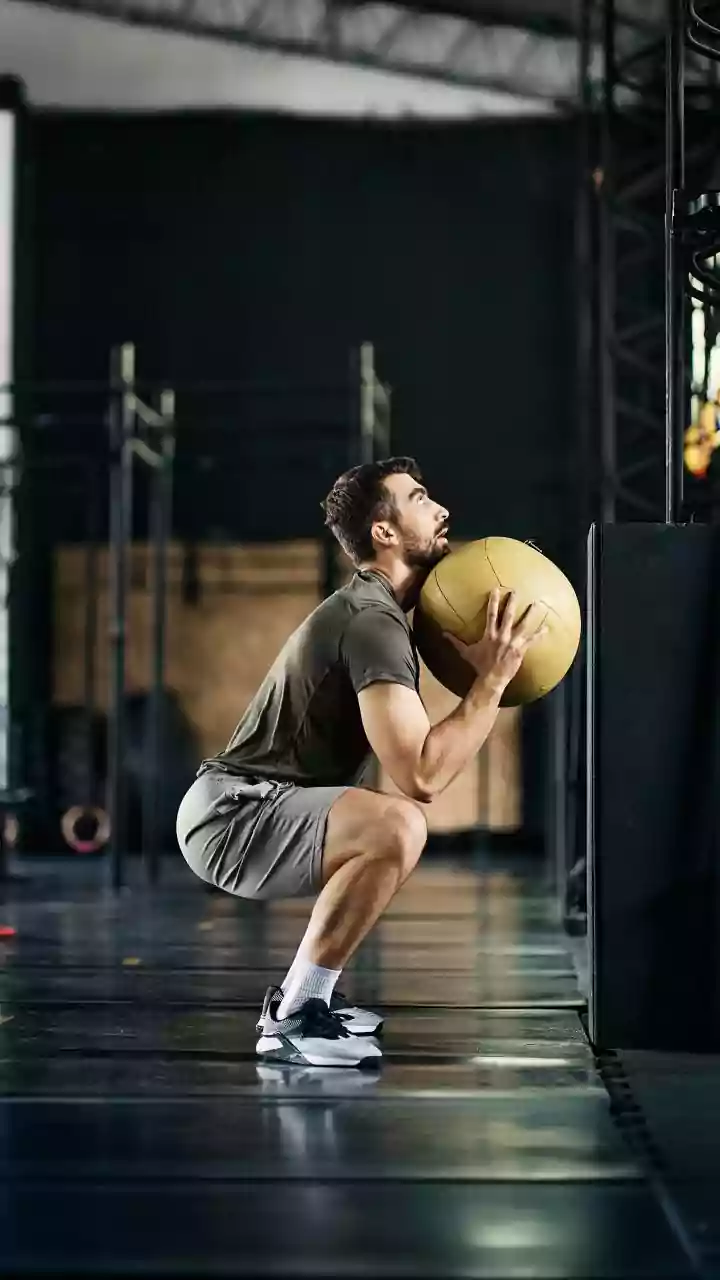
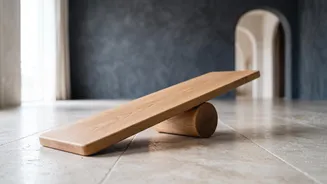
The beam squat elevates the standard squat by introducing an element of instability. By performing the exercise on a narrow surface like a low-profile balance beam, you force your body to constantly make micro-adjustments to stay upright. This challenge significantly increases the recruitment of stabilizer muscles in your core, hips, and around the knees and ankles. Unlike a regular squat where the solid ground offers maximum support, the beam squat requires intense focus and coordination, turning a familiar strength exercise into a powerful tool for enhancing balance and proprioception—your body’s awareness of its position in space.
How to Perform a Beam Squat Correctly
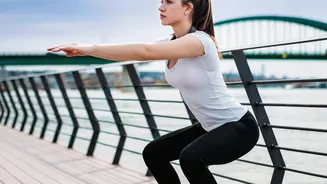
To perform a beam squat, start by standing on a low, stable beam with your feet about shoulder-width apart. Keep your chest up and your gaze fixed on a point in front of you to help maintain balance. Engage your core, and slowly lower your hips back and down as if sitting in a chair, keeping your back straight. Go as low as you can while maintaining control and keeping your heels on the beam. Your arms can be extended in front of you for counterbalance. Pause at the bottom, then press through your feet to return to the starting position in a controlled manner. The key is slow, deliberate movement; speed is not the goal here.
Leg Raises for a Rock-Solid Core
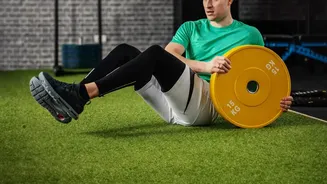
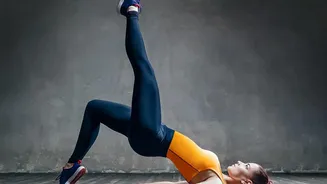
While squats build lower-body power, leg raises are a fundamental exercise for developing core stability. This exercise primarily targets the lower abdominal muscles and the deep hip flexors, which are crucial for stabilizing the pelvis. A strong and stable core acts as the central anchor for all body movements, protecting your spine and improving your posture. When you perform a leg raise correctly, your core has to work hard to prevent your lower back from arching off the floor, building isometric strength and control that translates to better form in nearly every other exercise.
Mastering the Lying Leg Raise
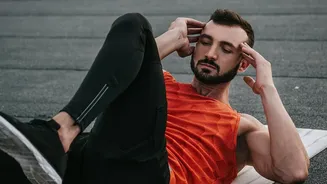
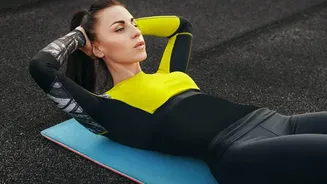
To do a lying leg raise, lie on your back on a mat with your legs straight. You can place your hands under your lower back for support or by your sides with palms down. Press your lower back firmly into the floor. This is your main point of control. Exhale as you engage your core and slowly lift your legs toward the ceiling, keeping them as straight as possible. Inhale as you slowly lower them back down, but stop just before they touch the floor to maintain tension in your abs. A common mistake is letting the lower back arch; if this happens, reduce the range of motion or bend your knees slightly until your core is strong enough for the full movement.
Integrating Stability into Your Routine
You don't need to dedicate entire sessions to stability. Instead, weave these exercises into your existing workouts. Try using beam squats as a warm-up or as one of your main leg exercises for 3 sets of 8-12 reps, focusing on perfect form. Leg raises can be added to the end of your workout as a core finisher. Aim for 3 sets of 10-15 controlled repetitions. By consistently including these movements, you build a more resilient and functional body, where strength and stability work hand-in-hand to improve performance and reduce the likelihood of injury.