






The Cardio Question
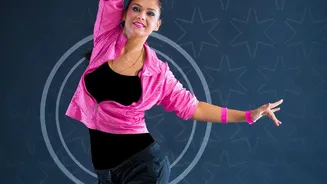
At their core, both activities are excellent forms of aerobic exercise. A typical hour-long Zumba class, with its mix of high-energy and slower-paced dance routines, can burn between 300 and 600 calories, depending on your intensity and body weight. It’s
a full-body workout disguised as a dance party. Roller skating, meanwhile, offers a surprisingly effective cardio session. An hour of skating at a moderate, recreational pace can burn around 400 to 500 calories. If you pick up the pace, that number can climb even higher. The key difference lies in the impact. Zumba involves quick, lateral movements and jumps, which can be high-impact. Roller skating, with its smooth, gliding motion, is considered a low-impact exercise, making it a gentler option for your joints, particularly knees and ankles.
The Feel-Good Factor
Exercise is a well-known mood booster, and here both options shine in different ways. Zumba's magic lies in its group energy and music. The combination of rhythmic movement and upbeat Latin tunes is engineered to release endorphins, the body's natural stress-reducers. Studies have shown that dance as exercise can be highly effective at improving emotional well-being and motivation. The social setting of a class fosters a sense of community that many find encouraging. Roller skating offers a different kind of mental release. The act of gliding can induce a 'flow state'—a meditative feeling of being fully immersed in the moment that distracts from daily worries. The focus required to balance and coordinate movement promotes a sense of mindfulness. Plus, if you can skate outdoors, you get the added mental health benefits of fresh air and sunshine.
Getting Started: Cost and Access
Accessibility is where the two diverge significantly. Zumba is widely available in gyms and community centres across India, with many instructors also offering online classes. A monthly subscription for group classes can range from ₹1500 to ₹3500. The only gear you need is comfortable clothing and appropriate footwear. For roller skating, the main investment is the skates themselves, which can cost anywhere from a few thousand rupees for a basic pair to much more for specialised models. The bigger challenge is finding a safe, smooth surface to practice, like a skating rink, a park with good paths, or a quiet residential street. Skating classes in India often cost between ₹1000 and ₹2000 per month for weekly sessions.
The Risk of Injury
No workout is without risk. For Zumba, the fast-paced, side-to-side movements can lead to injuries if not done correctly. Common issues include strains in the knees, ankles, and hips, especially if participants wear shoes with too much grip (like running shoes) or have improper form. Choosing a qualified instructor who emphasises proper technique is crucial. For roller skating, the primary risk is falling. Wrist guards, knee pads, elbow pads, and a helmet are essential protective gear, especially for beginners. While skating is low-impact on the joints during movement, a fall can cause fractures or sprains. Watching out for uneven surfaces, rocks, or cracks is key for outdoor skaters.
The Social Scene
Both activities offer strong community-building potential. Zumba is inherently social; the format is a group class where participants share a collective energy. It's an easy way to meet people in a fun, structured environment. Roller skating can be a solo activity, allowing for personal time and reflection. However, it also has a thriving social scene, from rink-sponsored skate nights to informal groups that meet up in parks. Joining a skating club or a local group can provide both encouragement and a sense of belonging.