
The Perfect Planter Pot Cover
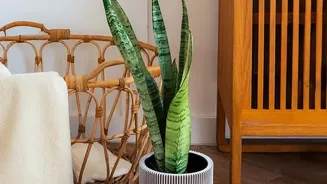
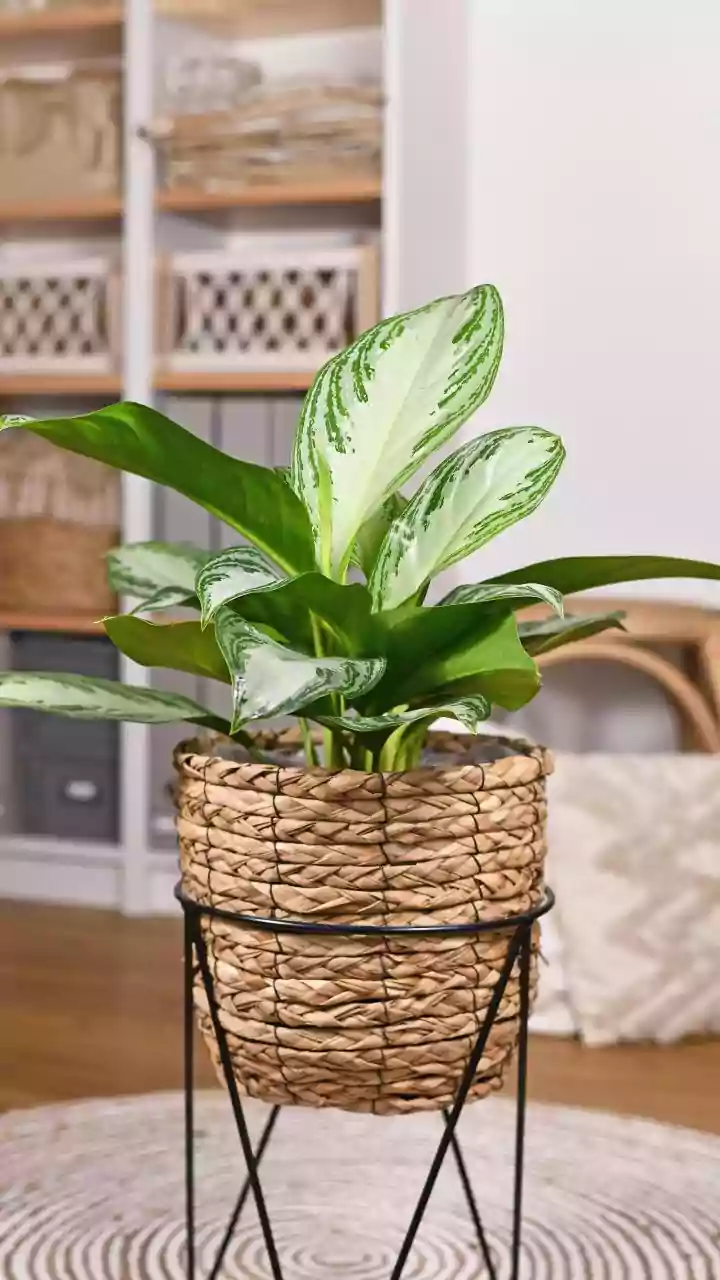
One of the most popular ways to use woven baskets is to conceal less attractive nursery pots. This adds a layer of natural texture that plastic simply can't match. The key is to protect the basket from water damage. Never plant directly into a woven basket without
a proper liner, as moisture will cause the natural fibers to rot and disintegrate. The easiest method is to use the basket as a "cachepot"—simply place your plant, still in its original plastic pot, inside the basket. Make sure to add a plastic saucer or drip tray at the bottom of the basket to catch any excess water when you irrigate your plant. For a more integrated look, you can find flexible plastic or hard plastic liners that fit snugly inside.
Create a Statement Corner with Groupings
A single basket is lovely, but a group of them creates a powerful design statement. Play with varying heights, sizes, and even textures to create a dynamic plant corner. Combine a tall, narrow basket holding a snake plant with a wide, low bowl-style basket for a sprawling pothos. This technique helps fill empty, awkward corners of a living room or bedroom, transforming them into a lush, green focal point. Using baskets of similar materials, like seagrass or rattan, can tie the look together, while mixing weaves can add a more eclectic, bohemian feel.
Chic and Practical Floor Storage
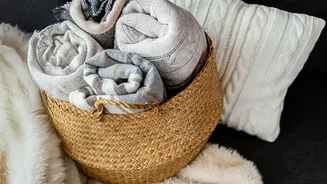
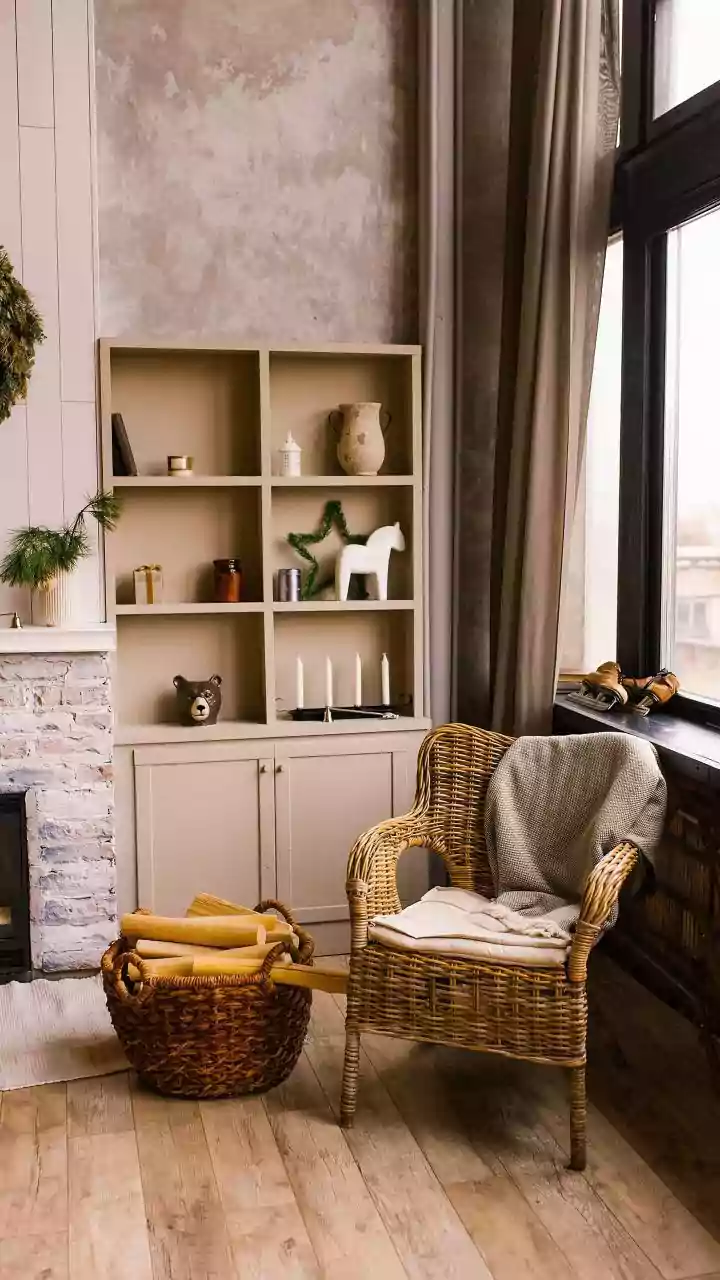
Beyond plants, large floor baskets are a decorator's best friend for stylishly corralling clutter. Place a large, sturdy basket next to a sofa to hold rolled-up blankets and throws, making your living room feel cozy and guest-ready. In a bedroom, a basket at the foot of the bed can store decorative pillows or extra linens. They are also a fantastic solution for toy storage in children's rooms or play areas; their open-top design makes cleanup quick and easy for little hands. Lidded baskets are particularly useful for hiding away less sightly items, like shoes in an entryway or magazines by an armchair.
The Art of the Empty Basket
Sometimes, a basket doesn't need to hold anything at all. A beautifully crafted basket with a unique shape or intricate weave can serve as a sculptural object on its own. Place a tall, elegant basket in an empty hallway or next to a console table to add texture and visual interest without creating clutter. This approach works especially well in minimalist or Scandinavian-inspired interiors, where every object is chosen with intention. The natural material adds warmth and softens modern lines, making the space feel more curated and welcoming.
Vary Your Weaves and Materials
Not all baskets are created equal. The material dictates the style and mood. Rattan and wicker offer a classic, sturdy look that fits many decor styles. Water hyacinth has a thick, braided texture that feels soft and elegant, while jute and seagrass provide a more rustic, coastal vibe. Don't be afraid to mix and match. Pairing the smooth, fine weave of a banana leaf basket with the chunkier texture of a jute one can create a rich, layered look. Consider the existing textures in your room—like knit cushions, wooden furniture, and plush rugs—and choose baskets that complement them.
Functional Accents in Every Room
The utility of baskets extends throughout the home. In the bathroom, use smaller baskets to organize rolled towels, toiletries, or extra toilet paper for a spa-like feel. In a home office, they can stylishly hold files, supplies, or unsightly cables. A basket tray on a coffee table or kitchen island is perfect for corralling small items like remote controls, keys, and mail, making surfaces look tidy and intentional. Even the space under a bench or console table can be made useful with a few well-placed storage baskets.