


A Creative Twist on a Beloved Classic
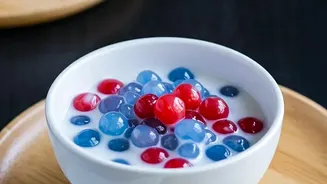
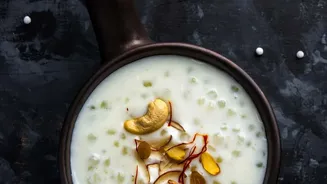
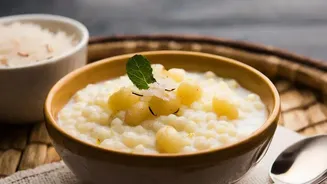
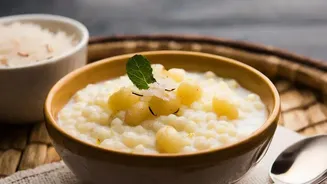
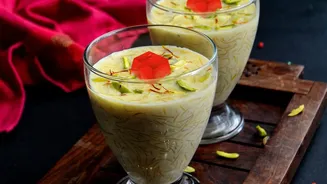
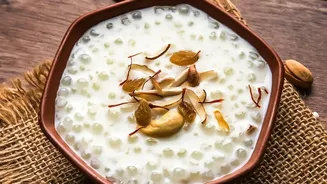
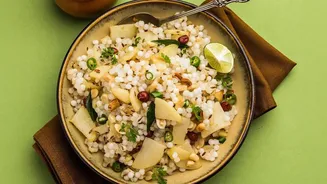
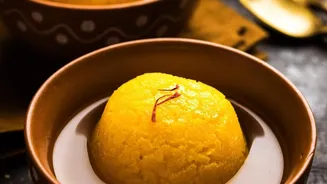
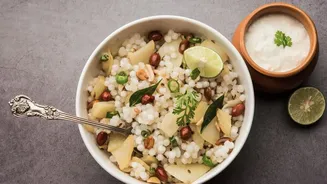
Indian desserts are a realm of endless innovation, and Sabudana Rasmalai is the latest star. The recipe creatively substitutes the traditional chenna (fresh paneer) patties with discs or pearls made from sabudana, also known as tapioca pearls. These sabudana components
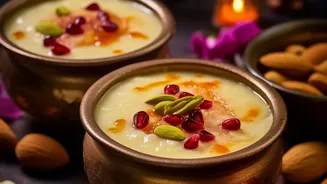
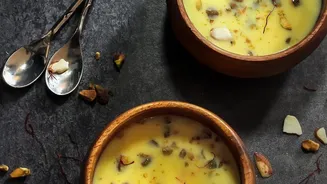
are cooked until translucent and spongy, then soaked in the familiar, fragrant, and sweetened milk ('ras') that defines rasmalai. The result is a dessert with a delightfully chewy and soft texture, offering a novel experience for those who love the classic. Its appeal lies firmly in this culinary novelty—a fun, creative reinterpretation of a beloved sweet that offers a different mouthfeel and visual charm.
The Health Halo: Is It a 'Lighter' Option?
With any new food trend comes a wave of health claims, and sabudana rasmalai is no exception. Online discussions often frame it as a "lighter" or "healthier" alternative. The logic seems to be that since sabudana is a common food for fasting and is naturally gluten-free, it must be nutritionally superior. Some also believe it to be easier on the digestive system. This has created a health halo around the dessert, suggesting you can indulge with less guilt. But before we swap out our traditional sweets, it's essential to look at what each core ingredient actually brings to the table.
The Nutritional Reality of Sabudana
Sabudana is, at its core, a starch. Extracted from the roots of the cassava plant, it is almost pure carbohydrate. A 100-gram serving of dry sabudana contains around 350 calories, the vast majority of which come from its 87-88 grams of carbohydrates. It contains very little protein, fibre, or essential micronutrients. While it provides a quick source of energy, which is why it's popular during fasts, it is essentially a source of 'empty calories' from a nutritional standpoint. It is not inherently 'light'; it is calorie-dense and can cause a rapid spike in blood sugar, similar to other refined carbohydrates.
How It Compares to Traditional Rasmalai
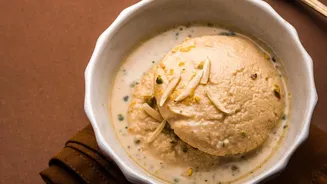
Traditional rasmalai is made with chenna, a form of Indian cottage cheese. Chenna is primarily made of milk solids, which means it is a source of protein and fat. A typical 100-gram serving of traditional rasmalai contains a more balanced mix of macronutrients: roughly 4-9 grams of protein, 7-18 grams of fat, and 12-30 grams of carbohydrates, depending on the recipe. So, when you substitute chenna with sabudana, you are essentially swapping a protein-and-fat base for a carbohydrate base. While the sabudana version might be gluten-free, the traditional version offers more protein. The main nutritional driver in both desserts, however, remains the sweetened milk syrup, which is high in sugar.
The Verdict: Enjoy It for What It Is
Sabudana rasmalai is not a health food, nor is it nutritionally 'lighter' than its traditional counterpart. It simply offers a different nutritional profile, trading the protein of chenna for the carbohydrates of tapioca. The idea that it's a guilt-free indulgence is a misconception. Both versions are desserts, defined by their sugar and calorie content, and should be enjoyed as such—a treat for special occasions. The true appeal of sabudana rasmalai is its ingenuity. It's a testament to the creativity of Indian cooks who constantly find new ways to delight our taste buds.