







Why the Black Sea Matters
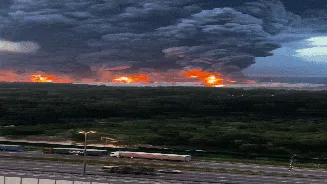
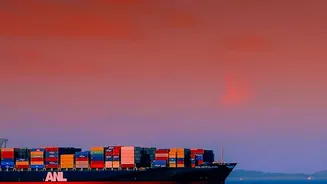
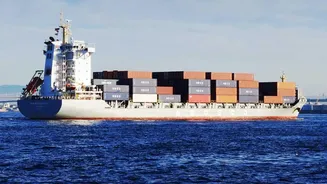
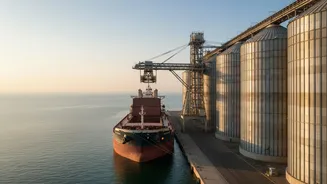
The Black Sea is more than just a body of water; it's a superhighway for commodities. Shared by Russia, Ukraine, Turkey, and others, its ports are major gateways for wheat, corn, sunflower oil, and crude oil destined for world markets. When attacks on
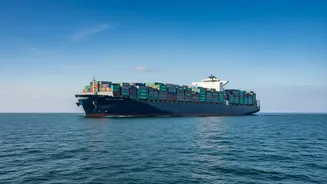
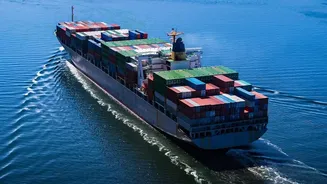
ships and port infrastructure intensify, as they have in recent weeks, this vital supply chain gets squeezed. The immediate effects are soaring insurance premiums and shipping rates for vessels brave enough to navigate the area, making every voyage significantly more expensive. This increased cost and risk don't just stay in the region; they are passed down the line, eventually reaching consumers worldwide, including in India.
The Direct Hit: Cooking Oil Prices
For Indian kitchens, the most immediate and tangible impact is on the price of sunflower oil. India is the world's largest importer of vegetable oils and relies heavily on Ukraine and Russia, who together supply over 60% of the globe's sunflower oil. With shipments from the Black Sea region delayed or cancelled, a supply crunch is inevitable. Recent reports show that around 150,000 tons of sunflower oil scheduled for August and September have been held up. This has forced Indian refiners to scramble for alternatives, leading to record-breaking imports of soyoil in August. This sudden shift in demand puts upward pressure on the prices of all edible oils, meaning you're likely to pay more for cooking oil regardless of the type you use.
The Global Breadbasket and Your Roti
Russia and Ukraine are often called the 'breadbasket of the world', together accounting for over a quarter of global wheat exports. When their ability to ship grain is hampered, global food prices feel the strain. Recent disruptions have already caused global wheat prices to climb sharply. While India maintains its own significant wheat reserves, the country is not immune to global price trends. Higher international prices can influence domestic pricing and affect the cost of a wide range of food items derived from grains, such as bread, biscuits, and noodles. Furthermore, disruptions to corn shipments affect the cost of animal feed, which can translate to higher prices for poultry and dairy products down the line.
An Unwelcome Rise at the Petrol Pump
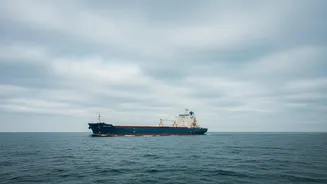
The Black Sea is also a crucial corridor for the energy market, particularly for crude oil shipments. Any disruption, from attacks on tankers to the shutdown of major terminals like Novorossiysk, creates volatility in global oil markets. As a nation that imports over 85% of its crude oil, India is highly sensitive to these global fluctuations. While India's direct sourcing from the region may vary, a squeeze on global supply pushes up the benchmark price for everyone. This upward pressure on crude oil directly translates into a higher import bill for the country and, eventually, can lead to revisions in the retail prices of petrol and diesel, making your daily commute or transportation of goods more expensive.
The Hidden Factor: Fertilizers
A less obvious but equally important impact comes from the disruption of fertilizer exports. The Black Sea region is a major supplier of key components for agricultural fertilizers. When these shipments are blocked or become more expensive, it creates a knock-on effect for farmers thousands of miles away. Indian farmers depend on imported fertilizers to ensure healthy crop yields. Higher fertilizer costs mean higher production costs for everything from rice and wheat to vegetables. These increased costs are often passed on to the consumer in the form of higher food prices in the months following the disruption, creating a delayed but significant impact on household budgets.