






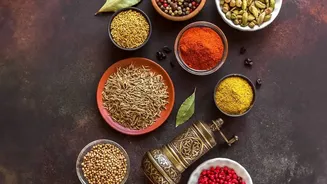
A Golden, Fiery Partnership
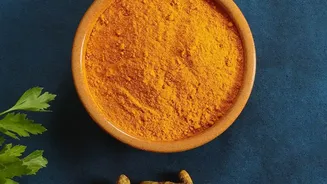
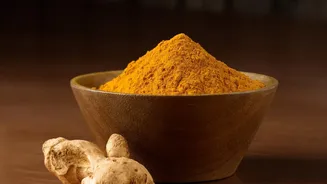
Turmeric and ginger, both part of the Zingiberaceae plant family, are more like close cousins than distant relatives. Turmeric's earthy, slightly bitter notes are delivered by curcumin, a compound celebrated for its powerful anti-inflammatory properties.
Ginger gets its pungent, spicy kick from gingerol, which is known to aid digestion and soothe nausea. When used together, they create a synergistic effect; their individual strengths complement each other, enhancing not just flavour but also their potential health benefits. This partnership has been a cornerstone of Ayurvedic traditions for centuries, valued for its ability to support a healthy inflammatory response and immune function.
Beyond the Basic Curry
For most of us, the first thought of turmeric and ginger is in a curry. They form the aromatic base of countless masalas, providing depth and warmth. To elevate your everyday curry, try using fresh, grated turmeric and ginger instead of powdered versions for a brighter, more complex flavour. One crucial tip for maximising turmeric's benefits is to add a pinch of black pepper. The piperine in black pepper significantly increases the body's ability to absorb curcumin. Don't be afraid to experiment with the ratio. A ginger-forward curry can add a zesty punch to a chicken or fish dish, while a turmeric-heavy recipe gives a beautiful golden hue and earthy foundation to vegetable and lentil stews.
Soothing Soups and Broths
A simple soup can be transformed into a restorative meal with the addition of turmeric and ginger. Especially during cold and flu season, a broth simmered with fresh ginger and turmeric can be incredibly comforting. Ginger acts as a natural decongestant, while turmeric's anti-inflammatory properties can help soothe a sore throat. For a heartier meal, blend the duo into a creamy carrot, lentil, or chicken soup. Start by sautéing minced garlic, grated ginger, and turmeric in a little oil until fragrant before adding your other ingredients. This small step blooms the spices, releasing their full aromatic potential and infusing the entire soup with their healing warmth.
Comfort in a Cup
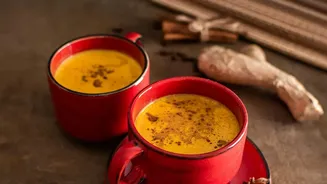
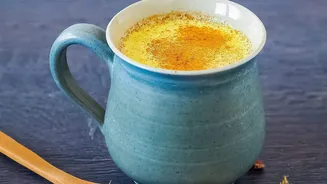
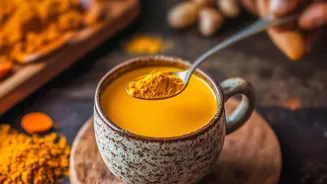
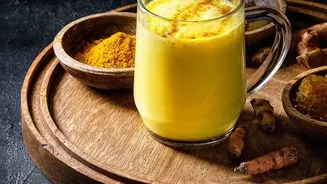
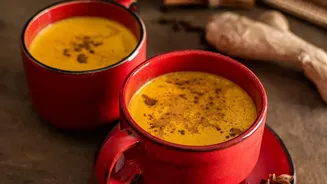
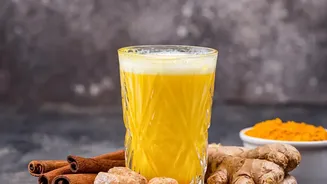
The versatility of turmeric and ginger shines in warm beverages. The classic 'haldi doodh' or golden milk is a timeless remedy, combining milk, turmeric, a pinch of pepper, and often other spices like cinnamon or cardamom. For a simpler brew, a straightforward ginger-turmeric tea is equally effective. Just simmer slices of fresh ginger and turmeric root in hot water for about ten minutes, then strain and add a touch of honey or lemon to taste. This makes for a perfect morning start or a soothing drink before bed. It can help calm an upset stomach and provides a gentle, caffeine-free boost to your immune system.
New Twists for Savoury Meals
Thinking beyond liquids and curries opens up a world of possibilities. Create a vibrant marinade for paneer, chicken, or fish by mixing yogurt with grated ginger, turmeric, garlic, and a little salt. Let it marinate for at least 30 minutes before grilling or baking. Turmeric and ginger can also bring life to simple rice dishes. Sautéing the spices in oil before adding your rice will perfume the grains with a beautiful aroma and a golden colour. You can even toss roasted vegetables like cauliflower, potatoes, and carrots with olive oil, minced ginger, and turmeric powder before they go into the oven for a flavourful and healthy side dish.
Tips for Freshness and Flavour
When possible, opt for fresh turmeric and ginger roots. They have a livelier and more nuanced flavour than their dried counterparts. Look for firm, unwrinkled roots. To peel them easily, use the edge of a spoon to scrape off the thin skin, which minimises waste. You can store fresh roots in an airtight container in the refrigerator for several weeks. If you buy too much, simply grate and freeze it in an ice cube tray for pre-portioned amounts ready for your next meal. As a general rule of thumb, a one-inch piece of fresh turmeric is equivalent to about one teaspoon of dried powder.