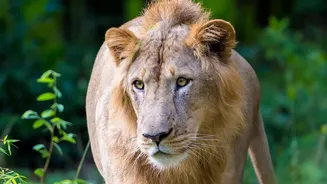






A Historic Return
In a development celebrated by conservationists, the Barda Wildlife Sanctuary is once again a home for Asiatic lions. A recent study published in the journal 'PLOS One' has confirmed the presence of 17 lions within the 192-square-kilometre sanctuary.
This population includes six adults and eleven cubs, signaling a successful breeding environment. The return marks a pivotal moment, as lions had not been recorded in Barda since 1879. The process began with the natural dispersal of a male lion into the area in 2023, followed by the strategic introduction of five females by the Gujarat Forest Department to establish a new, viable population. Researchers tracked six of these lions with radio collars for over two years, confirming they have established home ranges and are thriving.
Why a Second Home is Crucial
For decades, the world's entire wild population of Asiatic lions was dangerously concentrated in and around Gir National Park. While a conservation triumph in its own right—recovering from just a few dozen lions in the early 20th century to over 891 by 2025—this geographic isolation presented a grave risk. A single catastrophic event, such as a disease outbreak like the Canine Distemper Virus that killed numerous lions in 2018, or a natural disaster, could wipe out the species. Establishing a second, independent population has been a long-standing goal for conservation experts and was mandated by the Supreme Court of India. Barda, located about 100 kilometres from Gir, provides this essential 'ecological insurance policy', creating a buffer that significantly enhances the long-term survival prospects of these majestic animals.
Preparing the Sanctuary
The successful return of lions to Barda is not a happy accident but the result of years of meticulous preparation by the Gujarat Forest Department. Recognizing its potential, authorities have worked to restore the habitat and, crucially, improve the prey base. This involved breeding and releasing hundreds of spotted deer (chital) and sambar into the sanctuary to ensure the lions have ample wild prey. The study found that wild prey, particularly wild pigs, now make up the majority of the lions' diet in Barda, reducing their reliance on livestock and potential conflict with humans. Furthermore, the government has initiated schemes to support the voluntary relocation of local pastoral communities, known as Maldharis, from within the sanctuary to reduce human pressure on the habitat.
A Suitable Stronghold
The 'Beyond Gir' study confirms that Barda offers a suitable environment for a long-term lion population. Its rugged terrain, mixed forests, and grasslands provide the right kind of habitat for the big cats to thrive. The radio-collar data revealed that the lions are actively using the entire landscape, preferring mixed forests for their broader home ranges and grasslands within their core areas. The sanctuary, located across the Porbandar and Devbhumi Dwarka districts, is rich in floral diversity and has the ecological conditions needed to support the lions. This success story has not only been a win for conservation but has also boosted local economies through the development of ecotourism, which began in 2024.
The Path Forward for Project Lion
The establishment of a population in Barda is a significant milestone for 'Project Lion', the national conservation initiative launched in 2020. The project aims to manage the expanding lion population through a holistic approach, including habitat improvement, community engagement, and scientific monitoring. While Barda is a success, the work is far from over. Proactive management will be essential to mitigate human-lion conflict, enhance prey availability, and maintain the ecological corridors that allow lions to move between Barda and Gir. The success in Barda serves as a powerful model, demonstrating that with careful planning and sustained effort, it is possible to create new safe havens and secure a brighter future for India’s iconic Asiatic lions.