


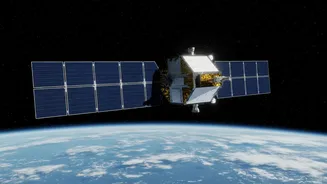
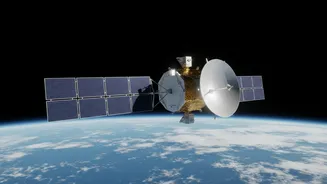
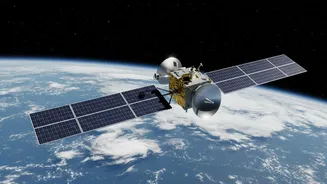
A Hub for Global Space Innovation
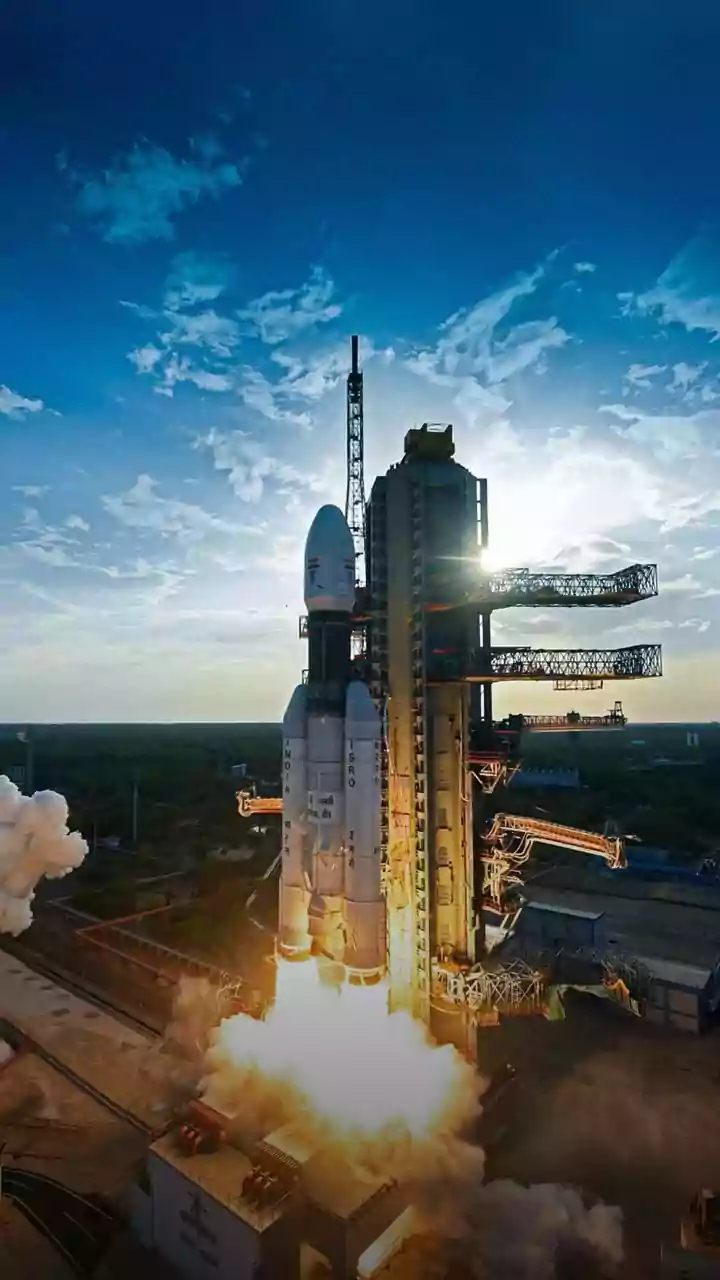
The International Conference on Spacecraft Mission Operations, or SMOPS-2026, is a major event where the world's space community converges. Organized by ISRO, the Astronautical Society of India (ASI), and the International Academy of Astronautics (IAA),
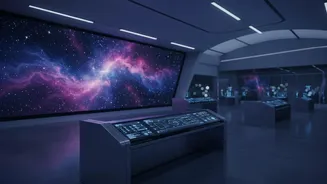
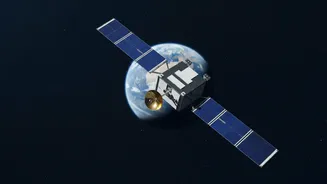
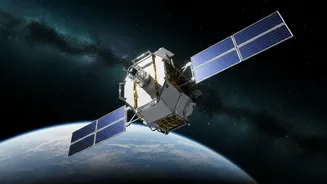
the conference brings together space agencies like NASA and ESA with private industry, startups, and academics. This year's event in Bengaluru focuses on smart and sustainable mission management for the next generation of space exploration. Key topics include AI, robotics, large satellite constellations, and human spaceflight, all pointing towards a more sophisticated future for operations beyond Earth.
Automation vs. Autonomy: What's the Difference?
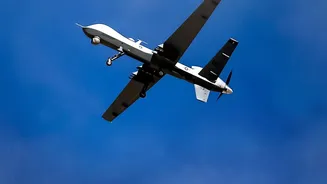
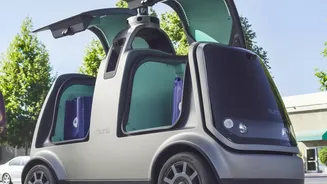
Though often used interchangeably, automation and autonomy represent two very different concepts in space operations. Automation is about having a system follow a pre-written script. Think of a coffee maker set on a timer; it performs a specific task at a specific time. In space, this could be an automated sequence for deploying a solar panel. Autonomy, however, is about decision-making. An autonomous system can assess a situation, consider different options, and choose a course of action without direct human command. It’s the difference between a system following orders and a system thinking for itself to achieve a goal. This is where technologies like artificial intelligence and machine learning become crucial.
Why the Shift to Autonomy is Happening Now
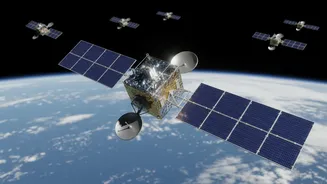
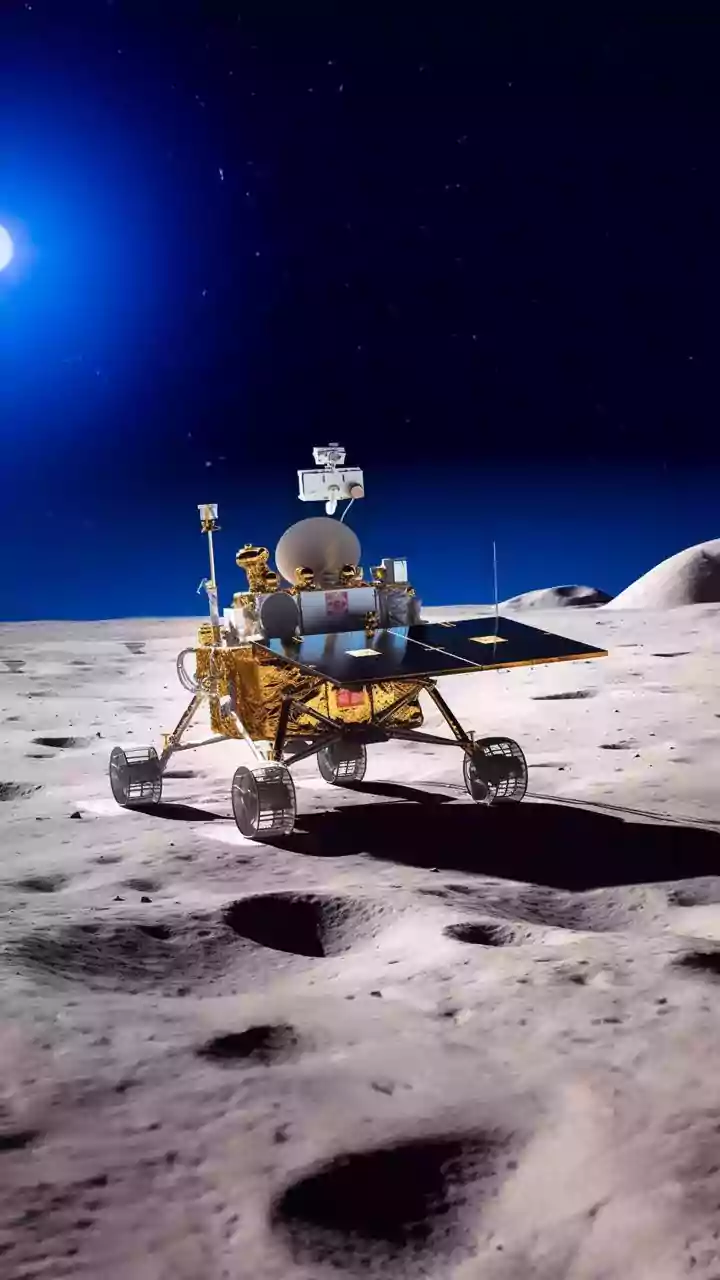
Several factors are driving the push for greater autonomy. As missions venture deeper into space, communication delays make real-time human control impossible. The light-travel time to Mars, for example, means a rover can’t wait for instructions from Earth if it encounters an unexpected obstacle. Furthermore, the sheer scale of modern space endeavors, like managing mega-constellations of hundreds or thousands of satellites, would require an unfeasible number of ground operators if done manually. Autonomy offers a solution to manage this complexity, reduce long-term operational costs, and enable spacecraft to react intelligently to unforeseen events or scientific opportunities.
What Autonomous Missions Will Look Like
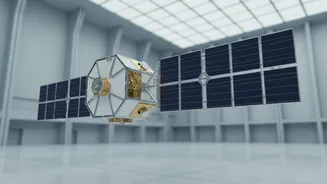
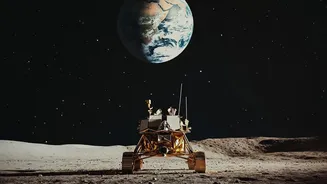
In practice, autonomy opens up a new frontier of possibilities. An autonomous deep-space probe could identify a scientifically interesting asteroid on its own and decide to alter its course to gather data. A network of Earth-observation satellites could collaboratively decide how to best monitor a developing natural disaster without waiting for ground control. In-space servicing and manufacturing, where one spacecraft might repair or refuel another, becomes far more viable with autonomous rendezvous and docking capabilities. We're already seeing early examples, such as spacecraft that can dock with the International Space Station without direct human piloting, showcasing the reliability of these systems.
The Challenges and Path Forward
The road to full autonomy is not without its challenges. Ensuring the reliability and safety of complex AI systems that are millions of kilometers away is a monumental task. These systems must be rigorously tested to handle scenarios that engineers may not have even predicted. There's also the question of human oversight; even with advanced AI, human judgment remains invaluable for handling truly novel situations. Despite these hurdles, the consensus at SMOPS-2026 is clear: developing robust autonomous capabilities is essential. The work being done today is laying the foundation for missions that are not only more efficient and cost-effective but also capable of exploration on a scale we have not yet seen.