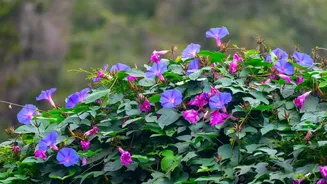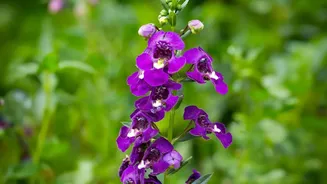





A Spectacle Twelve Years in the Making
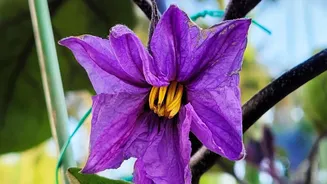
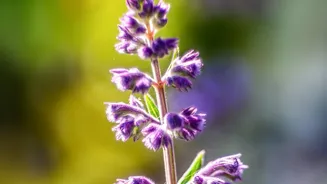
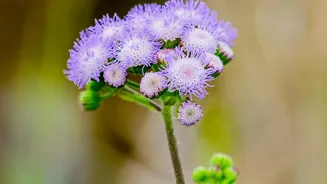
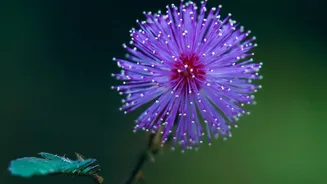
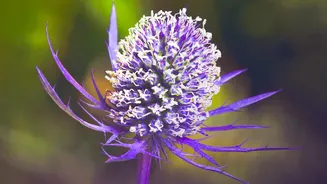
The Neelakurinji, or Strobilanthes kunthiana, is not just any flower. It is a biological wonder native to the shola grasslands of South India. Its claim to fame is a highly synchronized mass flowering event that occurs only once every 12 years. When it
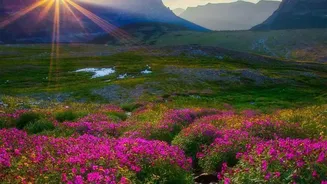
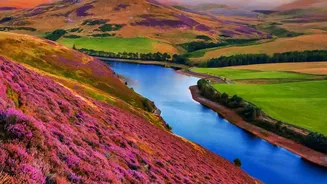
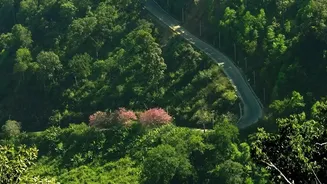
happens, entire hillsides across parts of Kerala and Tamil Nadu, particularly in areas like Munnar, are blanketed in a vibrant, otherworldly hue. This phenomenon is so iconic that it is believed to have given the Nilgiri Mountains, or 'Blue Mountains', their name. The last major bloom captivated onlookers in 2018, with the next grand spectacle anticipated in 2030. This long interval is a survival mechanism; the plant is semelparous, meaning it flowers, casts its seeds, and then dies, beginning the long wait for the next generation to mature.
Now a Protected National Treasure
The very thing that makes the Neelakurinji a tourist magnet—its rarity and beauty—also places it in peril. For years, concerns grew over tourists plucking the flowers as souvenirs, disrupting their delicate life cycle. In response, the Indian government in 2023 officially listed the Neelakurinji under Schedule III of the Wild Life (Protection) Act, 1972. This move granted it the status of a protected plant. Under the law, it is illegal to pluck, uproot, or destroy the plant in any way. Doing so carries severe consequences: a fine of up to ₹25,000 and a potential prison sentence of three years. Even cultivating or possessing the plant is prohibited, sending a clear message that this flower is a treasure to be admired in its natural habitat, not taken from it.
Why Plucking Causes Lasting Harm
To understand the strictness of the law, one must understand the ecological cost of picking a single flower. Because the Neelakurinji blooms only once before dying, its survival depends entirely on the seeds produced during that single flowering event. When flowers are plucked, the plant cannot produce seeds. This breaks the 12-year cycle and jeopardizes the existence of the next generation of blooms. The impact cascades through the ecosystem. The mass flowering provides a crucial, abundant source of nectar for native bees and other pollinators. Furthermore, the plant's root systems play a vital role in preventing soil erosion on the steep mountain slopes. Taking a flower isn't just a harmless souvenir; it is an act that undermines the very survival of the species and the health of its fragile shola habitat.
Vulnerable and in Need of Our Help
The threats extend beyond careless tourism. In August 2024, the International Union for Conservation of Nature (IUCN) officially added the Neelakurinji to its Red List of Threatened Species, classifying it as 'Vulnerable'. The assessment highlighted a significant population decline due to habitat loss from plantations and urban development, as well as the encroachment of invasive species. This formal recognition underscores the urgency of conservation efforts. The plant’s survival depends not only on stopping people from picking it but also on protecting the unique high-altitude grasslands where it thrives. Sanctuaries like the Kurinjimala Sanctuary in Kerala were established specifically to conserve this flagship species and its ecosystem.
How to Be a Responsible Viewer
Witnessing the Neelakurinji bloom is a privilege, and the next opportunity in 2030 will be a major event. When planning a visit, responsible tourism is key. Always stick to designated paths and viewing areas to avoid trampling the plants. Major viewing locations like Eravikulam National Park have strict regulations, including being a plastic-free zone and prohibiting visitors from disturbing wildlife. Heed the advice of forest officials, who may restrict access to certain areas, especially if they are prone to human-wildlife conflict with animals like elephants that share the habitat. Remember, the goal is to leave the landscape exactly as you found it. Take photos and memories, but leave the flowers for everyone to enjoy and, more importantly, for nature to continue its incredible 12-year cycle.