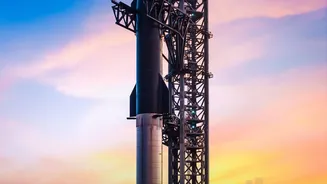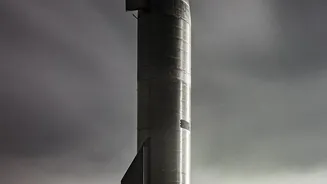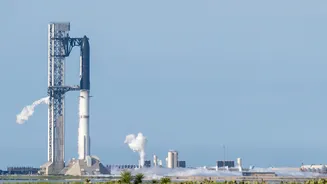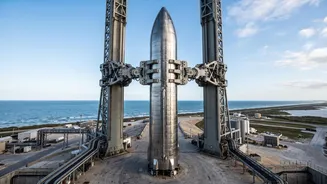



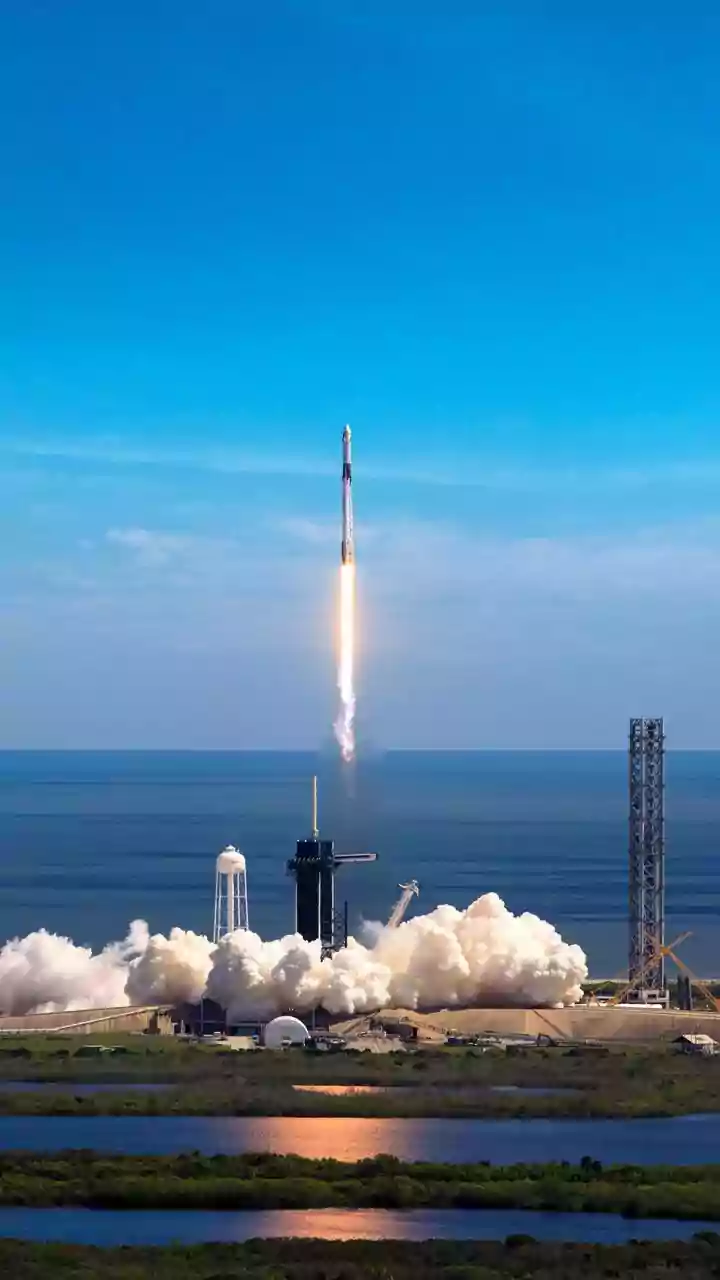
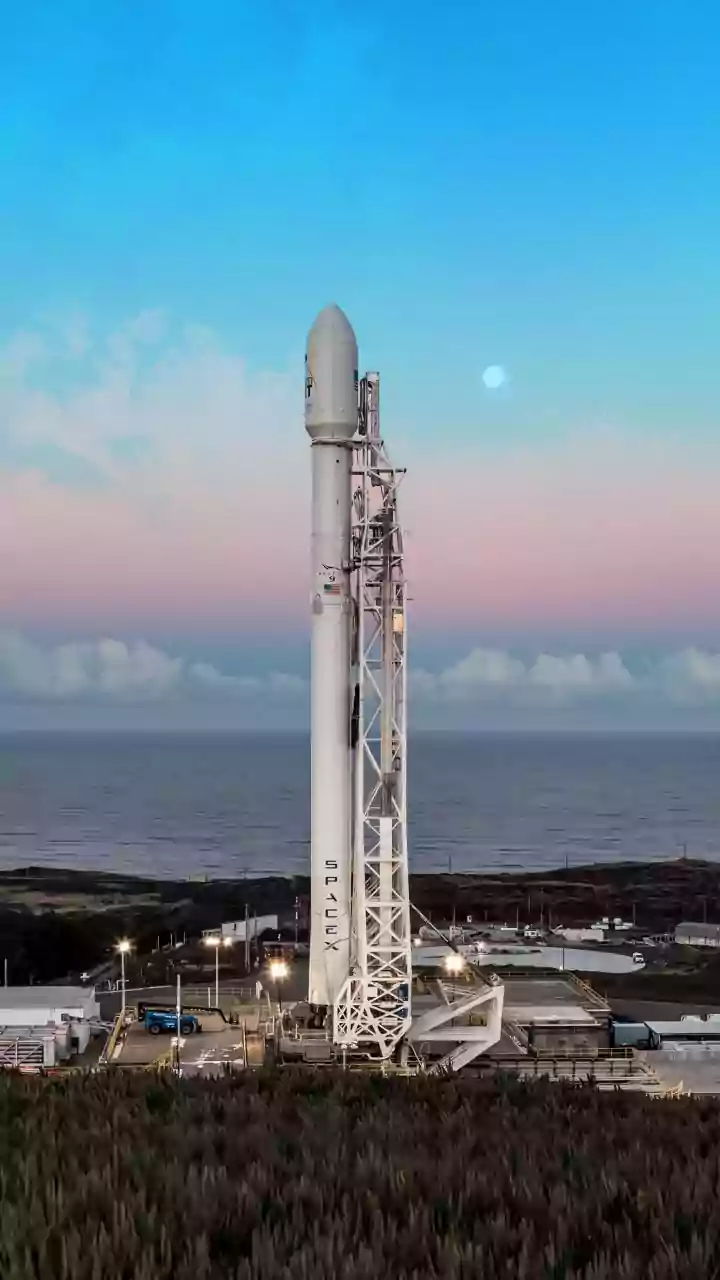

In a feat that felt pulled from science fiction, SpaceX successfully caught its Starship upper stage from orbit using giant mechanical arms. This historic moment from Flight 15 changes the calculus for reusable rockets and space exploration.
What is the 'Chopsticks' Gambit?
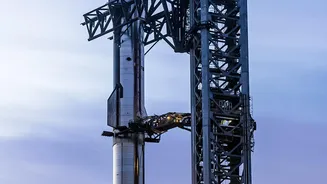
At the heart
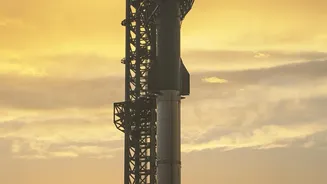
of this achievement is a giant launch and recovery structure nicknamed 'Mechazilla'. Extending from this tower are two massive arms, often called the 'chopsticks', designed to perform a seemingly impossible task: catch a returning rocket stage in mid-air just before it touches the ground. On November 14, 2026, after orbiting the Earth for over 22 hours, the Starship upper stage, known as Ship 42, descended through the atmosphere and positioned itself perfectly between these arms. The arms then closed, securing the vehicle and completing the first-ever catch of an orbital-class spacecraft. This maneuver is SpaceX's audacious answer to a fundamental challenge in rocketry: how to make a launch system as reusable as an airplane.
Why Catch, Not Land?
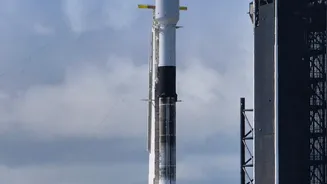
For years, SpaceX has been landing its Falcon 9 boosters on drone ships and landing pads using deployable legs. While revolutionary, that system has limitations. Landing legs add significant weight to the rocket, which reduces its payload capacity. They are also complex pieces of hardware used for only a few moments of the flight. The tower catch strategy eliminates the need for legs entirely. By moving the recovery hardware to the ground, the rocket itself becomes lighter and more efficient. Furthermore, catching the rocket directly at the launch site dramatically speeds up the turnaround process. Instead of being transported from a landing zone, the vehicle is already in position to be inspected, restacked, refueled, and launched again, a key step toward achieving the rapid reusability needed for ambitious goals like building a city on Mars.
The High-Stakes Flight 15
The fifteenth flight of the Starship system was a multifaceted mission. After launching from Starbase, Texas, on November 13, the primary goal was to attempt the first-ever 'double catch': recovering both the Super Heavy booster and the Starship upper stage. The mission began successfully, with Ship 42 reaching orbit and deploying 26 Starlink satellites, making it an operational flight, not just a test. However, the plan for the booster did not go as smoothly. An automated abort was triggered during its return, causing it to divert to a splashdown in the Gulf of Mexico where it was lost. This outcome placed all the pressure on the return of Ship 42. After more than 22 hours and 14 orbits, SpaceX mission control gave the final 'go' for the catch attempt. The vehicle survived a fiery reentry, performed a complex flip maneuver, and slowed itself for a precise descent into Mechazilla's waiting arms.
A Milestone That Changes Everything
Successfully catching the Starship upper stage is arguably one of the most significant milestones in modern spaceflight, what one SpaceX commentator called the 'holy grail'. While the company had previously caught the less complex Super Heavy booster, recovering a vehicle from orbital velocity is a far greater challenge. The ship must endure the extreme heat of reentry, navigate itself with pinpoint accuracy, and execute a powered landing into a very small target zone. The success of Ship 42 proves that the entire end-to-end system can work. It validates the core concept of SpaceX's next-generation launch architecture. This achievement is the missing piece of the puzzle for full and rapid reusability, a system designed to drastically lower the cost of access to space.
The Road to the Moon and Mars
This successful catch is not just a technical victory; it is a critical enabler of SpaceX's long-term vision. The entire Starship system is being developed to carry crew and cargo to the Moon, Mars, and beyond. NASA has already selected Starship as the crewed lunar lander for its Artemis program, which aims to return humans to the lunar surface. To accomplish these deep-space missions, Starship will need to be refueled in orbit, a process requiring multiple launches. The airline-like operational cadence envisioned by SpaceX, with launches potentially happening multiple times a day, is only economically and logistically feasible with the rapid reusability demonstrated by the tower catch. While the loss of the Flight 15 booster shows that challenges remain, catching the ship from orbit is a giant leap toward making interplanetary travel a reality.